KOF '96 at 30: The Game That Reinvented 2D Fighting
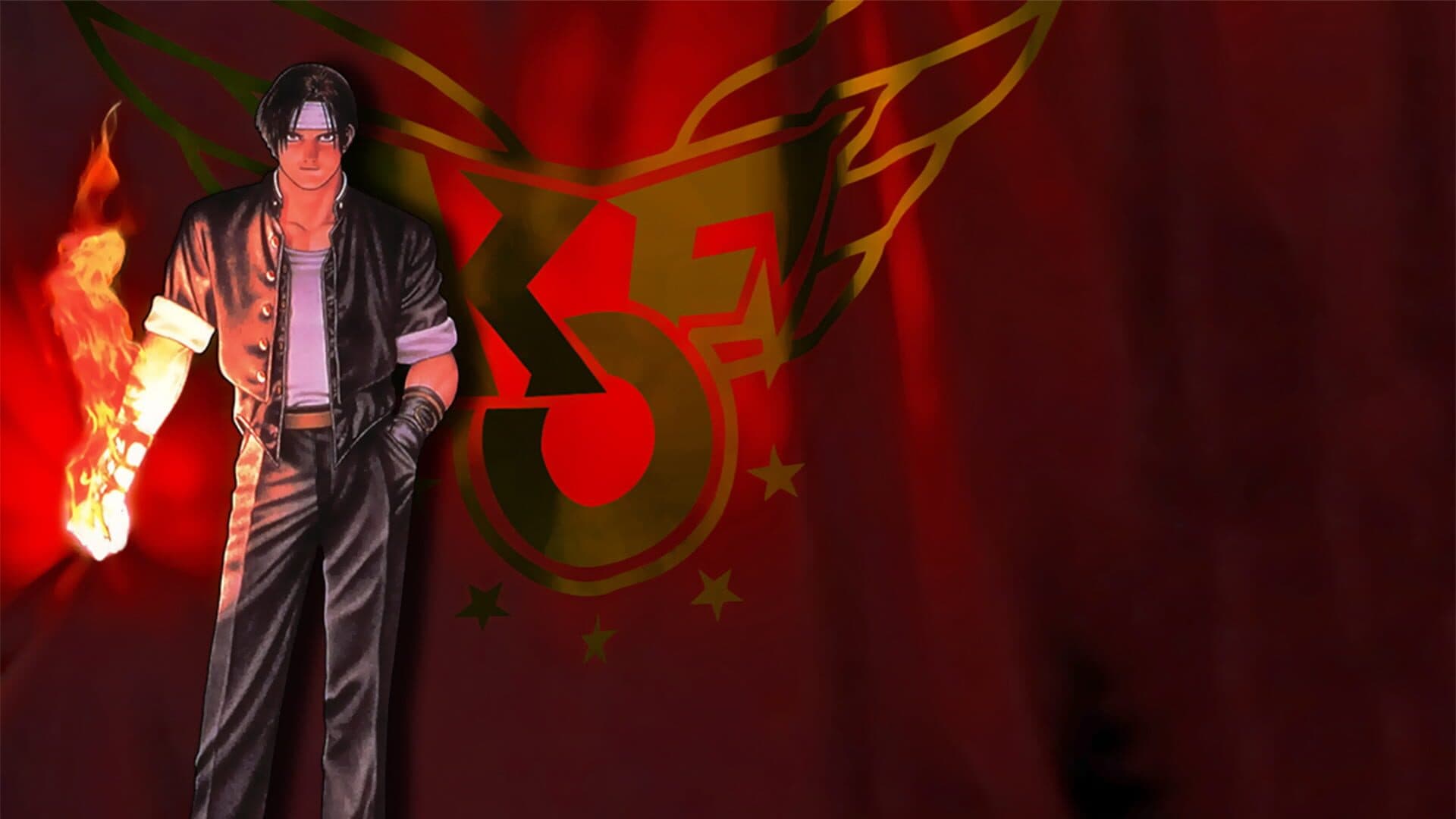
Thirty years after its Neo-Geo debut, The King of Fighters '96 remains the understated linchpin of an entire generation of fighting games. Not the most celebrated, but arguably the most decisive: this episode broke from the rigid team structures inherited from Capcom's franchises, introduced a radical offensive gameplay system, and laid the groundwork for total crossover integration in 2D fighting. An anniversary worth examining beyond nostalgia.
Topic
News
Reading
3 min read
Updated
Thursday, July 30, 2026
Key points
- 1Thirty years after its Neo-Geo debut, The King of Fighters '96 remains the understated linchpin of an entire generation of fighting games.
- 2An anniversary worth examining beyond nostalgia.
- 3The King of Fighters '96 launched in July 1996 on SNK's Neo-Geo hardware.
Lumnix angle
We isolate the useful facts first, then keep the analysis focused on what changes for players.
The King of Fighters '96 launched in July 1996 on SNK's Neo-Geo hardware. Thirty years later, this installment remains unfairly treated as a transitional stepping stone when it arguably restructured the 2D fighting scene more durably than any other title of the decade — Street Fighter II included, at least in terms of defining competitive crossovers.
Before '96, KOF Was Still Under Lock and Key
The franchise's first two entries, KOF '94 and KOF '95, had established the three-on-three team tournament concept, but remained shackled by heavy legacy baggage: teams were locked in, rooted in the Fatal Fury and Art of Fighting universes that SNK was running in parallel. Players chose a preformatted national team with zero composition freedom. The crossover existed on paper, not in players' hands.
KOF '96 shattered that cage. For the first time, players freely assembled their trio from the full roster. This isn't just convenience — it's a paradigm shift in what a versus fighting game can be. Strategic team building, something Capcom wouldn't truly explore until Marvel vs. Capcom 2 in 2000, SNK delivered in 1996 out of Osaka.
An Offensive System That Redefined Combat Rhythm
On the mechanical side, '96 overhauled the engine completely. The standing guard system was removed — a radical decision that forced players to manage space differently and made the game structurally more aggressive than its direct competitors. Samurai Shodown II (SNK, 1994) and Mortal Kombat 3 (Midway, 1995) still functioned on deeply defensive logic; KOF '96 inverted that.
The Roll Cancel, an advanced technique discovered by the community, delivered unintended competitive depth that fueled the Japanese arcade scene for years. This kind of emergent, unscripted gameplay space is what separates a durable fighting title from a seasonal product.
The First Total Crossover in Video Game History
That claim needs precision. Street Fighter vs. X-Men (Capcom, 1995) existed, but it was a Marvel partnership — a licensing deal, not an internal synthesis. KOF '96 was the first title to unify, under one engine and one coherent gameplay system, characters from distinct in-house franchises: Fatal Fury, Art of Fighting, Ikari Warriors, and Psycho Soldier merged without visible editorial hierarchy.
This shared-world logic that American studios didn't theorize in gaming until the early 2010s — with experiments like Smite or Fortnite crossovers — SNK had already laid the ludic foundation for thirty years earlier in a Shinjuku arcade.
What This Anniversary Says About SNK's Place Today
SNK released KOF XV in 2022 and continues maintaining the franchise, but the saga never reclaimed the structural influence it wielded in the late 1990s. The fighting game market is now dominated by Street Fighter 6 (Capcom, 2023) and Tekken 8 (Bandai Namco, 2024), two titles that absorbed, without acknowledgment, much of the offensive grammar KOF '96 pioneered.
Celebrating '96's 30th anniversary isn't commemoration. It's recognizing that much of what modern fighting game players take for granted — roster freedom, systemic aggression, internal crossovers — comes from an SNK title released on hardware most never held. Influence without glory: that's often the fate of foundational works.
In brief
Thirty years after its Neo-Geo debut, The King of Fighters '96 remains the understated linchpin of an entire generation of fighting games. Not the most celebrated, but arguably the most decisive: this episode broke from the rigid team structures inherited from Capcom's franchises, introduced a radical offensive gameplay system, and laid the groundwork for total crossover integration in 2D fighting. An anniversary worth examining beyond nostalgia.