Batman & Robin PS1: 28 Years Later, the Disaster Endures
In 1997, Joel Schumacher delivered a Batman & Robin that became the poster child for superhero film catastrophe. A year later, Probe Entertainment and Acclaim doubled down with a PlayStation adaptation that never recovered from its reputation. Twenty-eight years on, the verdict is ruthless: this twin disaster remains the gold standard for synchronized failure between Hollywood and the video game industry.
Topic
News
Reading
3 min read
Updated
Tuesday, August 4, 2026
Key points
- 1In 1997, Joel Schumacher delivered a Batman & Robin that became the poster child for superhero film catastrophe.
- 2A year later, Probe Entertainment and Acclaim doubled down with a PlayStation adaptation that never recovered from its reputation.
- 3Twenty-eight years on, the verdict is ruthless: this twin disaster remains the gold standard for synchronized failure between Hollywood and the video game industry.
Lumnix angle
We isolate the useful facts first, then keep the analysis focused on what changes for players.
Batman & Robin on PlayStation, developed by Probe Entertainment and published by Acclaim in 1998, just underwent scrutiny from multiple gaming retrospectives. The collective verdict hasn't changed a pixel: the game still ranks among the most botched adaptations on Sony's console. What deserves attention isn't nostalgia, but what this specific case reveals about the industrial mechanisms that produce catastrophes like this.
A Sinking Film Dragged Down Further by Its Adaptation
Joel Schumacher's film hit theaters in June 1997 with nipples on the Batsuit and dialogue that would make a Sunday afternoon TV writer cringe. The commercial and critical failure was deafening, so much so that Warner Bros. froze the franchise for eight years until Christopher Nolan relaunched it in 2005 with Batman Begins. Probe Entertainment and Acclaim, however, couldn't back out: the license contract was signed, the game had to ship no matter what.
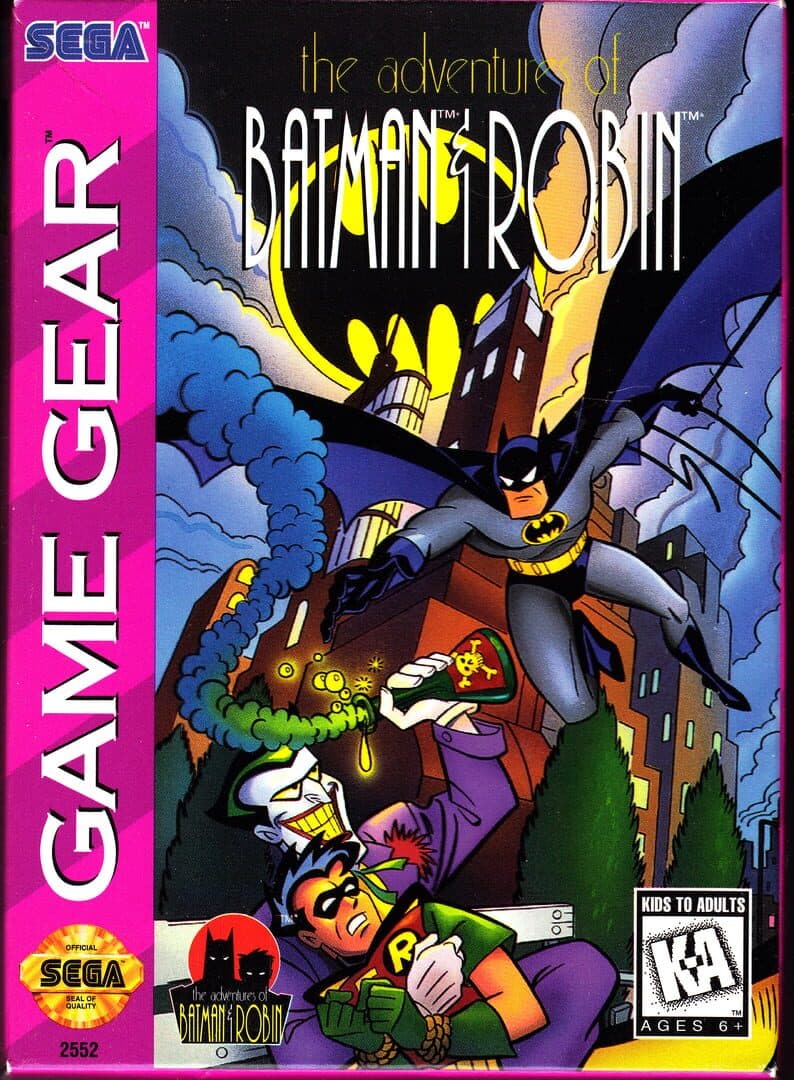
The result, released in 1998 on PlayStation — and Saturn, N64, and PC — stacked defects that went far beyond cosmetics. Empty environments, stiff animations, a 3D engine that struggled to convince even by late-90s standards, and most critically, gameplay that turned the Dark Knight into a disjointed puppet: everything conspired to produce barely functional software.
The Business Model That Manufactures Disasters
Batman & Robin wasn't an isolated accident. The late 1990s are littered with rushed adaptations produced under impossible development windows, locked to theatrical release dates. Waterworld on Super Nintendo (Iguana Entertainment, 1995) or Batman Forever on Game Boy (Probe again, 1995) illustrate the same pattern: the license trumps the game, the schedule trumps quality, and the publisher pockets preorders before reviews drop.
Acclaim especially had industrialized this approach. The company, which would collapse in 2004, built chunks of its catalog on sports and film licenses with short shelf lives. The structural problem: development studios under contract, like Probe, had budgets and timelines insufficient to produce anything beyond minimum viable — and often not even that. This wasn't incompetence; it was arithmetic. Ship on date X or lose the license fee.
What makes the Batman & Robin case particularly striking is the PlayStation version specifically. Sony's console was at its peak popularity, with a massive installed base and gaming media in full swing. Bad reviews spread fast, player feedback spread faster. The game didn't sink into obscurity: it was actively eviscerated, documented, catalogued. This collective memory is now maintained by retro content creators, who regularly reopen the case. It's not malicious nostalgia: it's proof that certain industrial failures function as reference markers, benchmarks for what never to do. Batman & Robin PS1 fulfills that role with remarkable consistency.
A Legacy That Poses a Real Question
The Batman license has since recovered considerably. The Arkham games from Eidos Montreal and Rocksteady — Batman: Arkham Asylum in 2009, Arkham City in 2011 — proved the character could anchor a genuinely high-caliber game. More recently, Gotham Knights (WB Games Montreal, 2022) was divisive, but never at the level of 1998's Batman & Robin.
The real lesson here isn't that film adaptations are doomed to fail. It's that the calendar imposed by a theatrical release is structurally incompatible with serious development, except when you have the budget, studio resources, and creative direction to absorb the constraint. In 1998, none of those conditions existed. Batman & Robin is proof the industry already knew that — and didn't care.
In brief
In 1997, Joel Schumacher delivered a Batman & Robin that became the poster child for superhero film catastrophe. A year later, Probe Entertainment and Acclaim doubled down with a PlayStation adaptation that never recovered from its reputation. Twenty-eight years on, the verdict is ruthless: this twin disaster remains the gold standard for synchronized failure between Hollywood and the video game industry.