#retro gaming
14 article(s)

Mega Man 11 at 8 Years: The Comeback Capcom Never Followed Up
Released eight years ago to the day, Mega Man 11 ended nearly a decade of silence around the Blue Bomber. The game proved Capcom could still deliver without betraying the formula, yet the studio has never touched another numbered entry since. A textbook case of opportunistic franchise management.

Bushido Blade at 29: The One-Hit Duel No One Ever Copied
Released in the United States in fall 1997 and in France in February 1998, Squaresoft and Light Weight's Bushido Blade remains the gold standard for samurai dueling on PlayStation. Without health bars or flashy combos, its one-hit-kill system was never adopted wholesale by the industry. Twenty-nine years later, this design void says volumes about what versus fighting chose to forget.
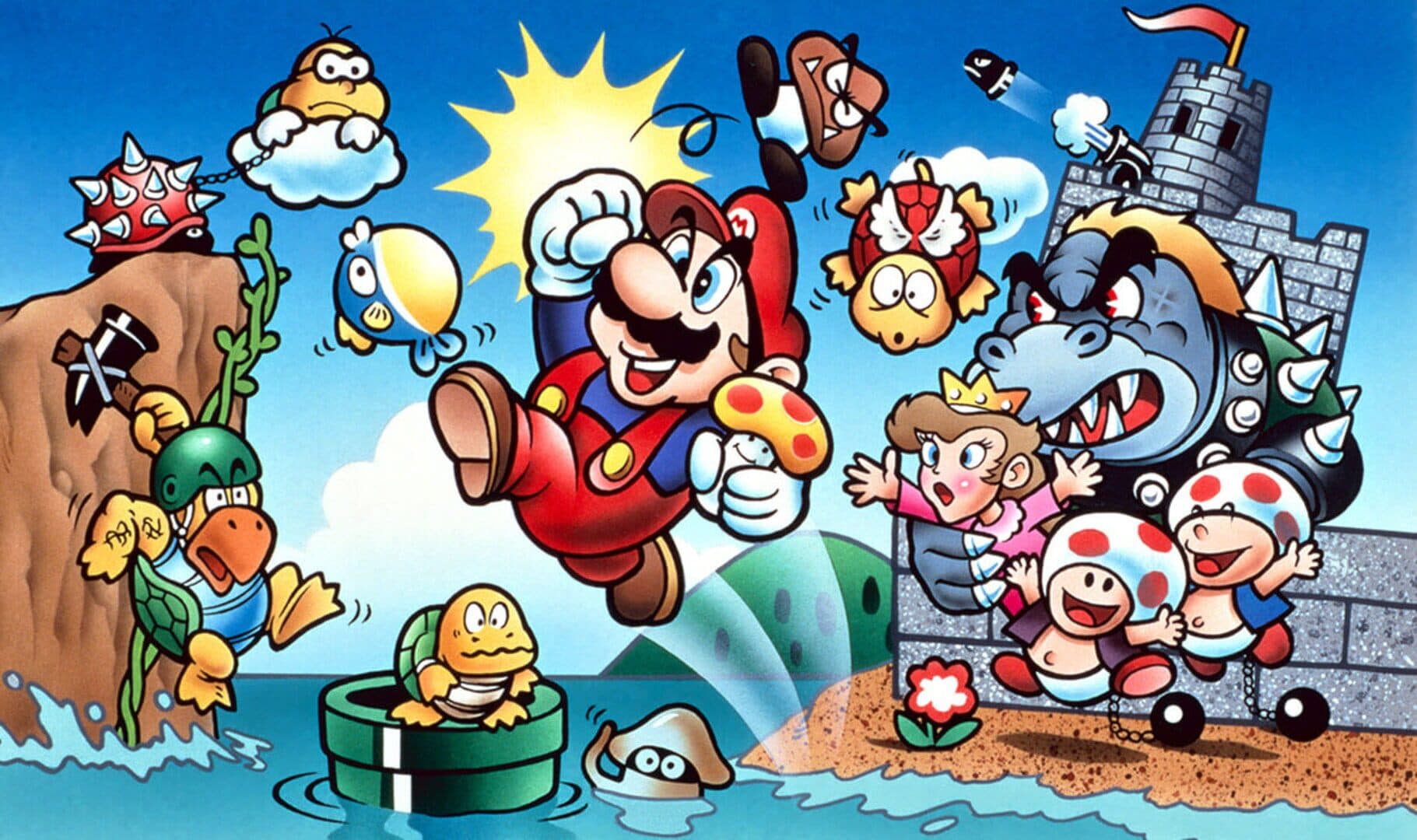
97 Unreleased Super Mario Bros. Cartridges Found in Attic
Nintendo Wire has acquired a cache of 97 cartridges from an unknown edition of Super Mario Bros., discovered in a box in perfect condition. For the most documented game in video game history, this find upends collectors and underscores that physical archives still harbor untold mysteries. What this batch reveals about the edition in question demands closer inspection.

Capcom vs. SNK at 26: When Dreamcast United Fighting Game Gods
In 2000, Capcom delivered to the Dreamcast one of the most ambitious crossovers in versus fighting history: Capcom vs. SNK. Twenty-six years later, this title remains a generational marker, symbol of an era when the Naomi arcade and Sega's console formed a nearly perfect bridge between the arcade and the living room. Revisiting it means understanding why that window of the year 2000 has never truly been reopened.

Ninja Gaiden NES Trilogy Finally Complete on Switch Online
Nintendo has rounded out the Ninja Gaiden trilogy on Switch Online's NES catalog. The three foundational episodes of Tecmo's action franchise are now available to subscribers. On paper it's good news, but it raises a bigger question: what does Nintendo's strategy actually look like for leveraging its NES legacy, beyond just stacking up titles?
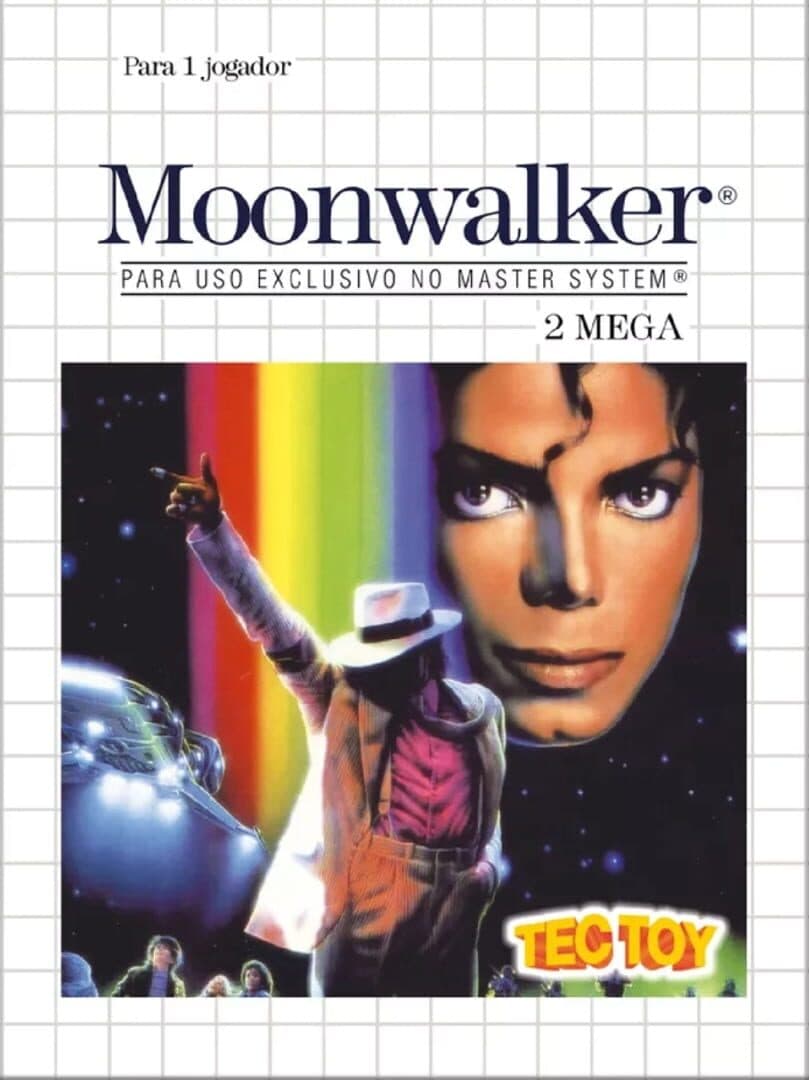
Moonwalker Mega Drive: Still Standing After 36 Years
On August 25, 1990, Michael Jackson's Moonwalker launched on Mega Drive. Not a quick cash-in movie tie-in, but a project shaped by the King of Pop himself—a documented gaming enthusiast—in partnership with Sega. Thirty-six years later, this game remains an anomaly in licensed game history: a cartridge that sounded right and played right. What it reveals about how musical licenses could, rarely, produce something genuinely real.
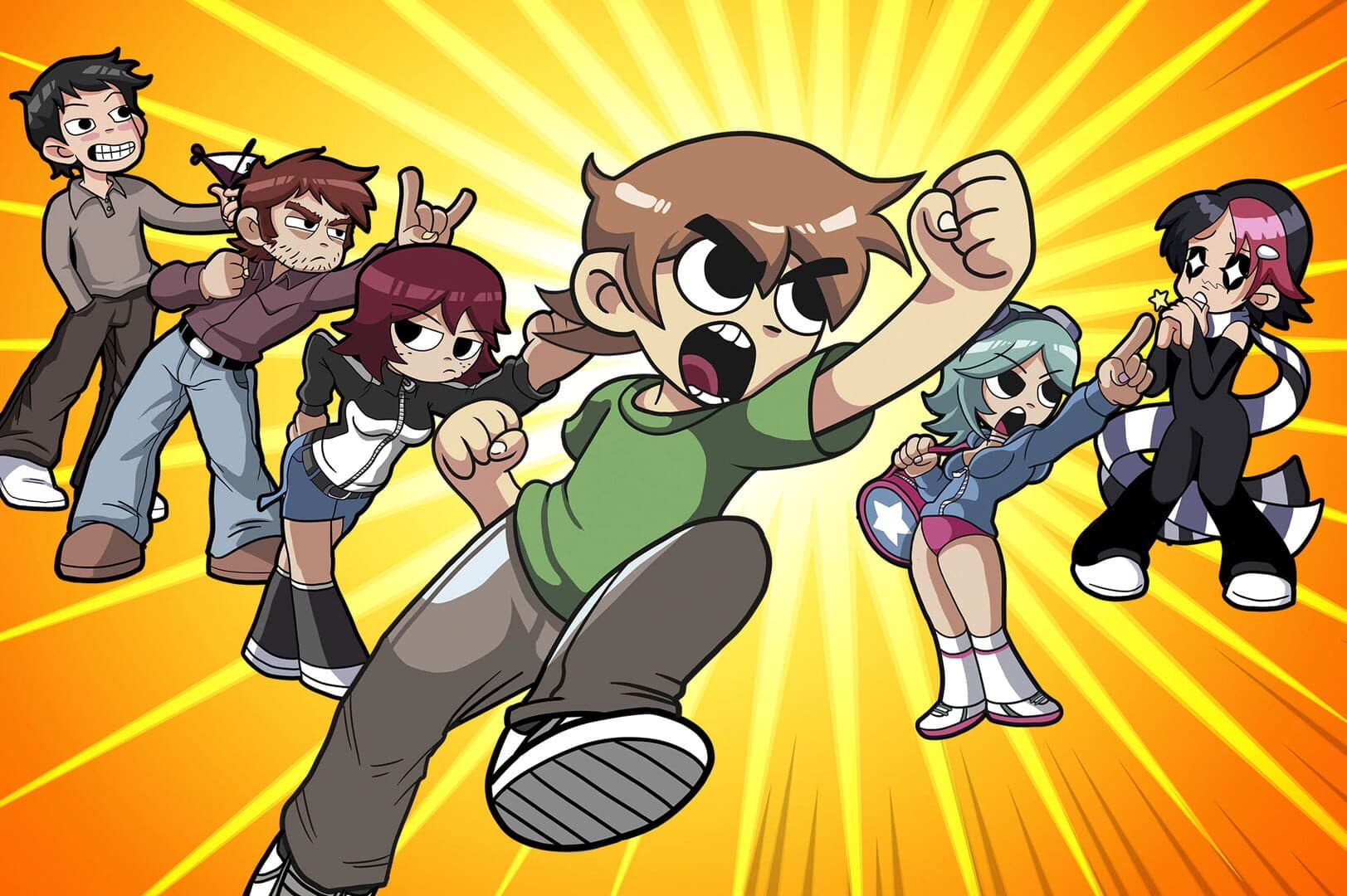
Scott Pilgrim Turns 16: The Ubisoft Anomaly That Endures
On August 10, 2010, Ubisoft released a beat'em up adapted from a film based on a 2004 comic saturated with retro references. All the ingredients were there for a soulless commercial disaster. Sixteen years later, Scott Pilgrim vs. The World: The Game has outlasted most AAA releases from that same era. This paradox deserves examination: how did a third-degree derivative become one of the most respected releases of its generation?
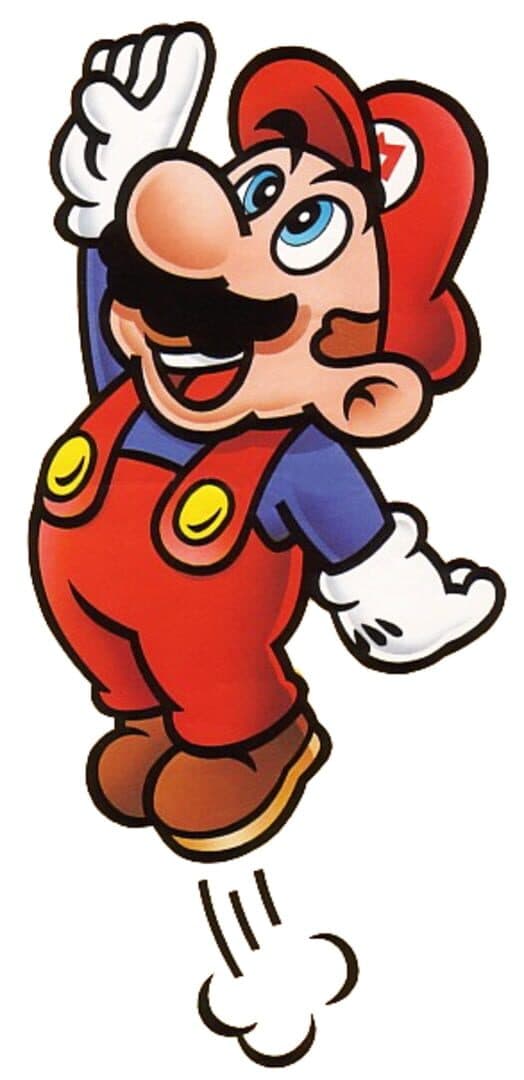
Hundred Rare Super Mario Bros. Cartridges Resurface, Shake Up NES Market
Around a hundred cartridges from a previously unknown edition of Super Mario Bros. have just been discovered. The find is significant: in a retro-gaming market where a standard NES cartridge in good condition can fetch thousands of euros, an uncharted variant represents a seismic shift for collectors. What's at stake goes beyond a lucky attic find—it raises questions about authenticity, value, and the physical history of video games.
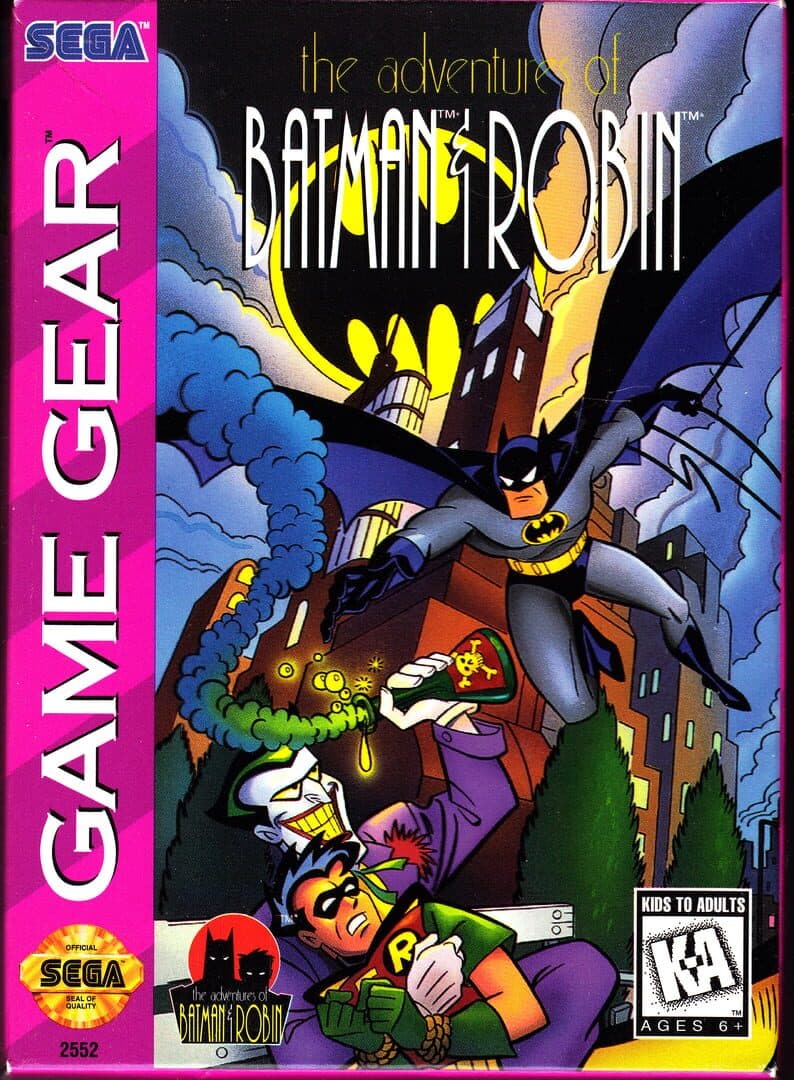
Batman & Robin PS1: 28 Years Later, the Disaster Endures
In 1997, Joel Schumacher delivered a Batman & Robin that became the poster child for superhero film catastrophe. A year later, Probe Entertainment and Acclaim doubled down with a PlayStation adaptation that never recovered from its reputation. Twenty-eight years on, the verdict is ruthless: this twin disaster remains the gold standard for synchronized failure between Hollywood and the video game industry.

Deep Fear: The Survival Horror the Saturn Took Down With It
In 1998, Sega's Saturn quietly dies while the industry watches. But it takes Deep Fear with it—a submarine survival horror that clearly eyed Resident Evil just as PlayStation was about to dominate the generation. Twenty-eight years later, this game remains the perfect example of a well-crafted title sacrificed on the altar of a console war already lost.

Gex at 31: The Gecko That Never Caught Up to Mario
On July 14, 1995, Crystal Dynamics launched Gex on 3DO before deploying it to PlayStation and Saturn. A platformer built to check every box of the mascot era, armed with pop culture quips and a technical engine designed to impress on Panasonic's console. Thirty-one years later, the verdict is clear: Gex existed, sold copies, but never competed in the same league as the heavyweights it targeted.
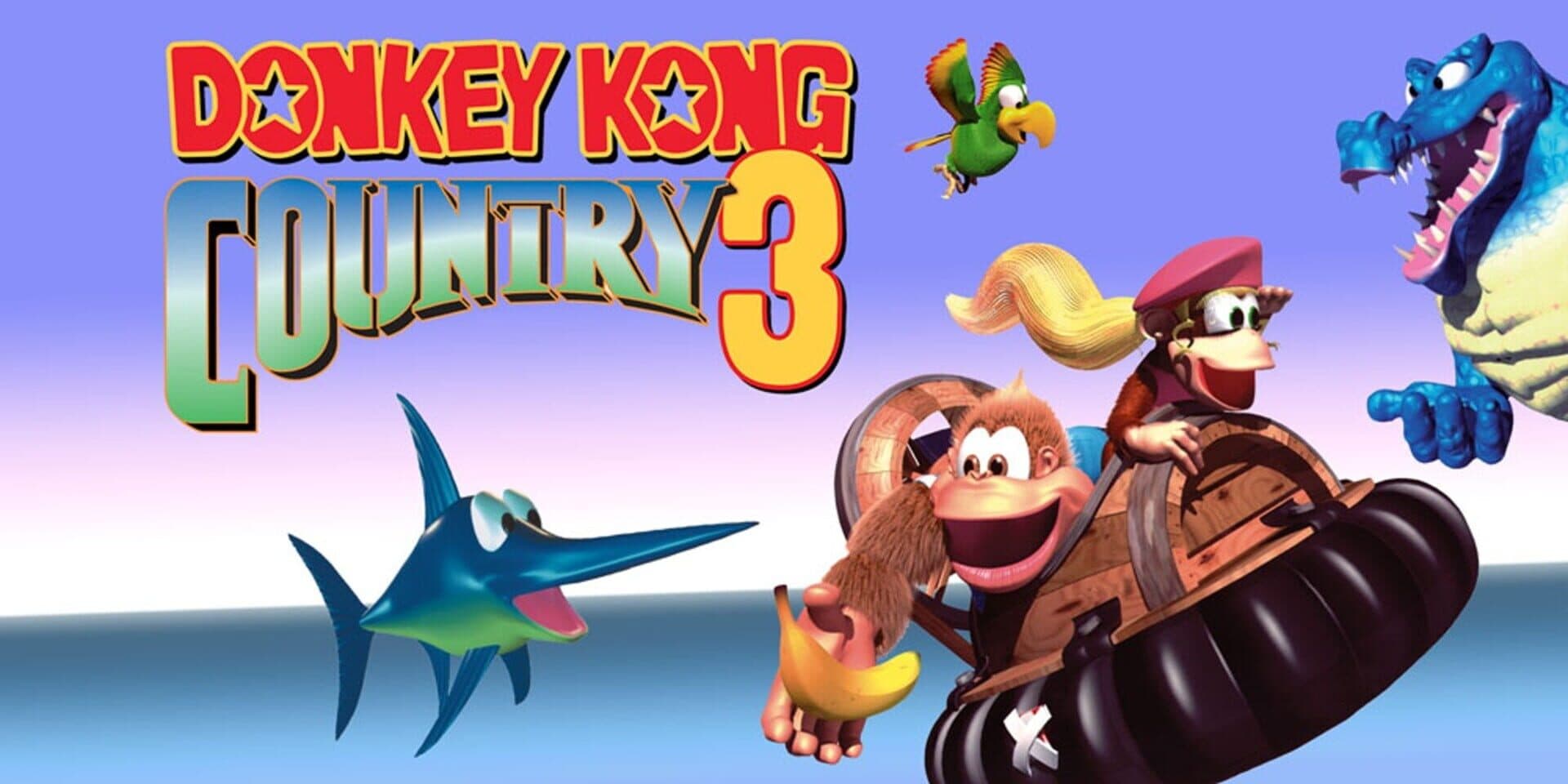
Lego Nintendo: Donkey Kong arcade cabinet coming soon
A new Lego Nintendo set centered on Donkey Kong—specifically an arcade cabinet—is reportedly in development. Six years after Lego and Nintendo's partnership launched, the line is expanding beyond consoles and characters to tap into Kyoto's arcade roots. A choice that reveals much about where this collaboration is headed and Donkey Kong's place in Nintendo's current strategy.