Moonwalker Mega Drive: Still Standing After 36 Years
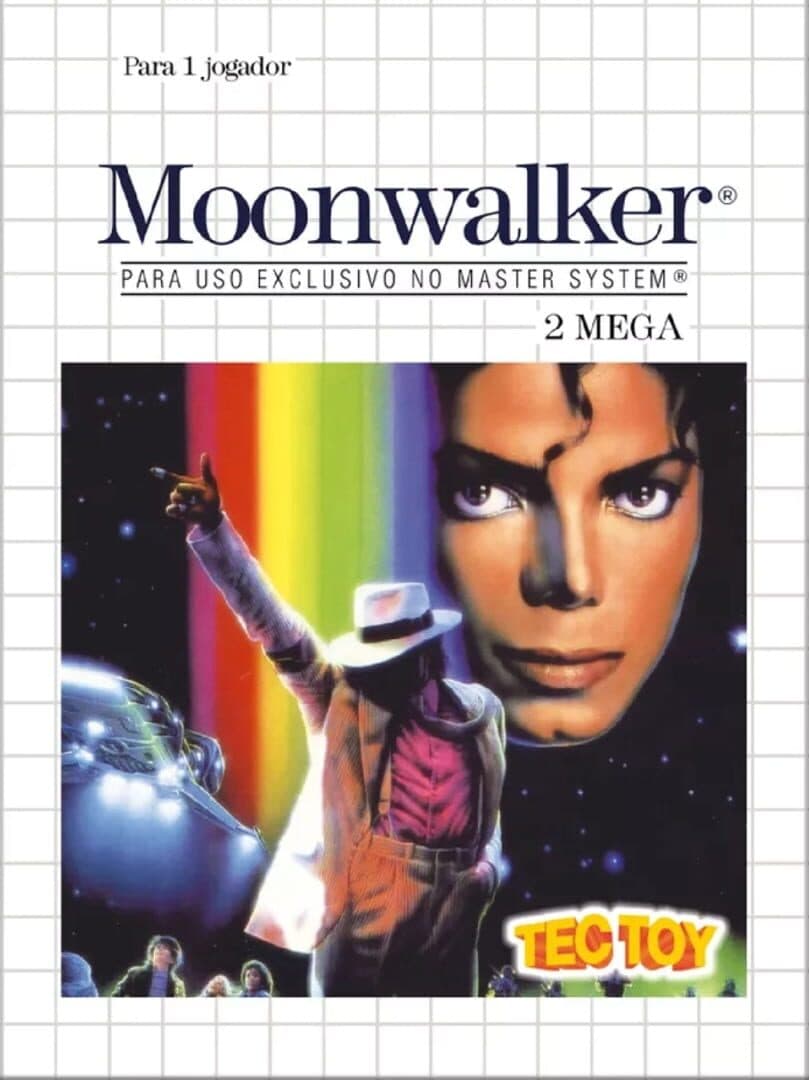
On August 25, 1990, Michael Jackson's Moonwalker launched on Mega Drive. Not a quick cash-in movie tie-in, but a project shaped by the King of Pop himself—a documented gaming enthusiast—in partnership with Sega. Thirty-six years later, this game remains an anomaly in licensed game history: a cartridge that sounded right and played right. What it reveals about how musical licenses could, rarely, produce something genuinely real.
Topic
News
Reading
4 min read
Updated
Tuesday, August 25, 2026
Key points
- 1On August 25, 1990, Michael Jackson's Moonwalker launched on Mega Drive.
- 2Not a quick cash-in movie tie-in, but a project shaped by the King of Pop himself—a documented gaming enthusiast—in partnership with Sega.
- 3Thirty-six years later, this game remains an anomaly in licensed game history: a cartridge that sounded right and played right.
Lumnix angle
We isolate the useful facts first, then keep the analysis focused on what changes for players.
On August 25, 1990, Mega Drive players discover Michael Jackson's Moonwalker. Not another throwaway spin-off cranked out between films, but a game driven by Michael Jackson's direct involvement—he was a documented gaming enthusiast who shaped the title's design alongside Sega. Thirty-six years later, that date deserves examination—not out of reflexive nostalgia, but because this game illuminates a tension that still runs through the industry: when a license becomes window dressing, and when it becomes the engine.
A Cartridge Unlike Anything Else on 16-Bit Hardware
In 1990, film and celebrity adaptations on console were routine and rarely respectable. The dominant model: recycle generic gameplay, slap a famous name on it, pocket the cash. Moonwalker on Mega Drive breaks that mold. The game rests on readable beat-em-up mechanics—conventional for its time, certainly—but sustained by something rare for a 16-bit cartridge: a soundtrack that faithfully renders the King of Pop's biggest hits—Smooth Criminal, Beat It, Billie Jean—with audio quality that was itself a selling point for Sega's console against the Super Nintendo.
Jackson's character is playable with his signature moves intact: the moonwalk, dance steps repurposed as attacks, a final transformation into a robot. This isn't cosmetic dressing on a blank avatar. The character's presentation is central to level design, making this an early case of a game genuinely constructed around an artistic identity rather than simply stamped with a name.
Sega and Jackson: A Partnership That Transcended a Single Cartridge
The Sega-Michael Jackson connection extends beyond this title alone. Jackson maintained ties with the Japanese firm well beyond Moonwalker: his involvement in the music for Sonic the Hedgehog 3 (1994, Sega) remains one of the most discussed questions in Mega Drive history, even though official credits never explicitly confirmed his participation. This context underscores that the relationship between Jackson and Sega was grounded in genuine affinity, not mere merchandising contract.
For Sega, Moonwalker was also heavy ammunition in the 16-bit console wars. Landing an exclusive title backed by the world's biggest star at the time, with audio fidelity that showcased the Mega Drive, was a show of force as much as a game. Console exclusivity helped cement the platform's image as one capable of attracting premium licenses.
The Commemoration Trap: What Moonwalker Still Says Today
Celebrating Moonwalker in 2026 carries real tension. Michael Jackson remains a figure whose personal legacy has been heavily contested since the 2000s, and streaming platforms have long adopted varying policies on promoting his catalog. The game itself has never received an official digital re-release, stuck in a legal and editorial gray zone that Sega never resolved. Its absence from current retro libraries—neither on subscription platforms nor in official compilations—is itself a significant editorial fact.
It's no accident that Moonwalker circulates almost exclusively through emulation and used cartridges. A game of this stature, with this production history, should logically belong in the heritage libraries Sega has been building for years. Its absence says something about the complexity of managing a legacy when the license is inseparable from a person whose reputation became contested terrain.
36 Years: What Licensed Game Longevity Actually Proves
Most licensed games from the 1990s survived only in lists of embarrassing oddities. Moonwalker on Mega Drive occupies a different position: it's regularly cited alongside Batman on Mega Drive (1989, Sunsoft) and Aladdin (1993, Virgin Games) as one of the rare licensed titles that deserved to exist independent of the name on the box.
This critical longevity rests on a simple fact: the game worked mechanically and delivered coherent audio and visual identity. Thirty-six years after release, it remains the best answer to studios that persist in treating licenses as interchangeable skins.
In brief
On August 25, 1990, Michael Jackson's Moonwalker launched on Mega Drive. Not a quick cash-in movie tie-in, but a project shaped by the King of Pop himself—a documented gaming enthusiast—in partnership with Sega. Thirty-six years later, this game remains an anomaly in licensed game history: a cartridge that sounded right and played right. What it reveals about how musical licenses could, rarely, produce something genuinely real.