#Sega
14 article(s)

SpellCaster Turns 38: The Language Barrier Still Stands
SpellCaster, Sega's action-RPG, hit its 38th anniversary this week. A game that stood out for its hybrid and ambitious format on Master System, but one most French-speaking players never fully experienced due to lack of localization. A textbook case of what absent translation costs, and how language can turn discovery into lasting frustration.

Sonic Nearly Retired: Iizuka Reveals Sega's Crisis
Takashi Iizuka, the historic producer of the franchise since Sonic Adventure, has publicly acknowledged that Sega seriously considered abandoning Sonic before 2020. It wasn't a creative relaunch or a new game that changed everything—it was a live-action film. An admission that says a lot about the real state of the license at the time, and about the fragility of video game mascots facing the economic decisions of major corporations.

Sega's Super Game: 100 Billion Yen Gone to Waste
In 2021, Sega announced a massive project called "Super Game": hundreds of millions of euros invested in live-service games designed to generate huge recurring revenue. Five years later, the project is dead. The reason? The same one that sank dozens of similar ambitions across the industry. Sega ultimately learned lessons others paid dearly for, but the question remains: at what cost did this realization come?
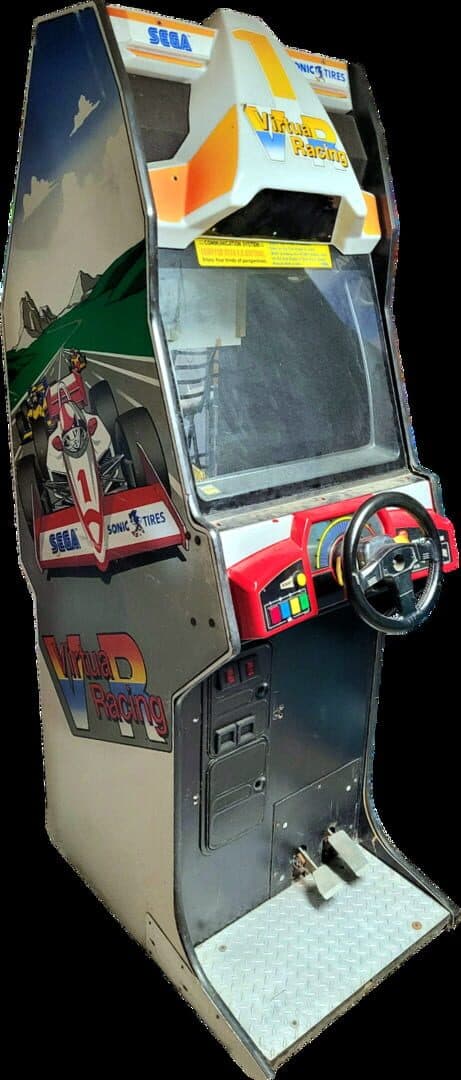
Virtua Racing at 34: The Arcade Game That Launched 3D Gaming
In August 1992, Virtua Racing hit arcade cabinets and laid the foundation for a technological shift the industry had never seen before. Never becoming a franchise, quickly overshadowed by Ridge Racer, Daytona USA, and Sega Rally Championship, the game remains one of the most decisive milestones in 3D gaming history. Why does a title with no sequel and no direct descendants continue to occupy such a special place in racing game lore?

Alien Isolation 2 at Gamescom: The Sequel With Everything to Lose
Twelve years after the first game, Alien: Isolation 2 showed itself to the press at Gamescom 2026 under Sega's supervision. The first playable minutes confirm artistic direction faithful to the original and carefully maintained tension. The real question isn't whether the sequel resembles its predecessor — it does — but whether Creative Assembly found something new to say in this universe.

Stranger Than Heaven: 50 Years, 5 Cities, and Yakuzas Who Love 2Pac
At Gamescom 2026, the creators of Stranger Than Heaven opened up about their most ambitious project yet: an adventure spanning five decades and five different cities, powered by RGG Studio. Playtime, unprecedented combat mechanics, surprising musical influences—what director Mikinobu Abe and producer Hiroyuki Sakamoto revealed resets expectations for what the Yakuza franchise can still pull off.

Crazy Taxi: World Tour Plays It Safe and Misses the Mark
Crazy Taxi: World Tour is here and attempts to resurrect SEGA's cult arcade license. The result is honest, perhaps too honest: the game evokes early 2000s nostalgia without ever breaking free from it. For players hoping for an ambitious reimagining of the taxi-arcade formula, the verdict is mixed. SEGA had a rare opportunity to reposition a dormant IP. The question is whether playing it safe was a choice or a limitation.
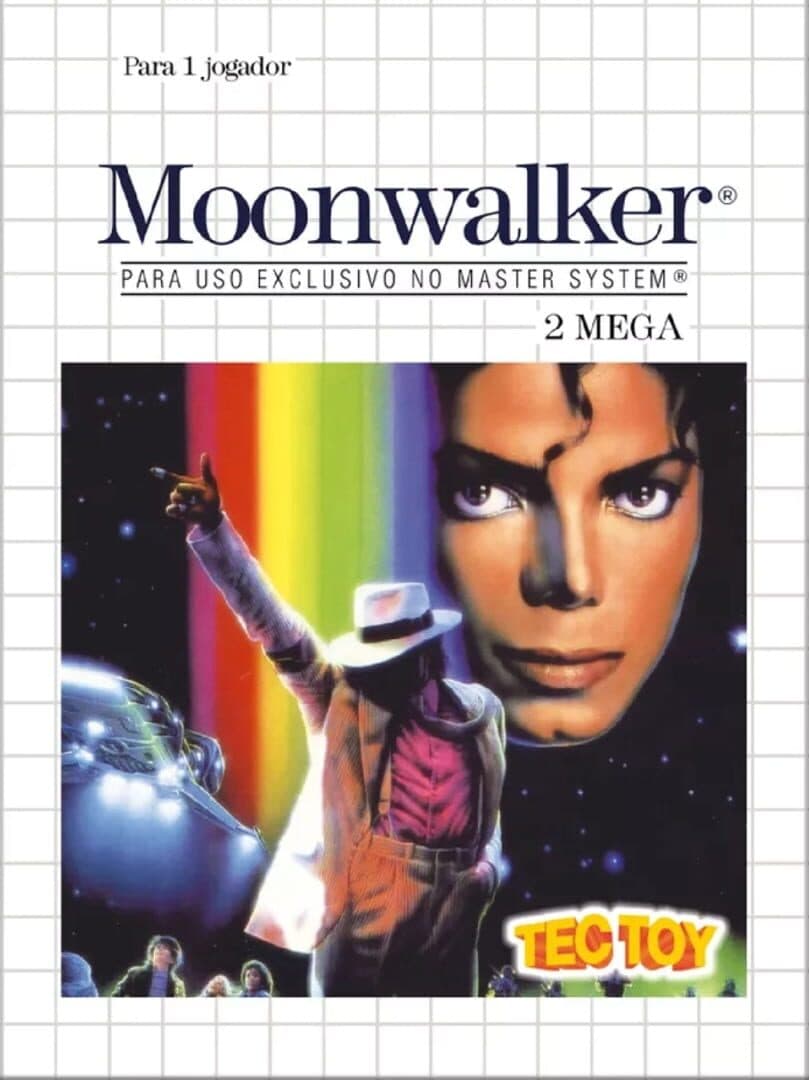
Moonwalker Mega Drive: Still Standing After 36 Years
On August 25, 1990, Michael Jackson's Moonwalker launched on Mega Drive. Not a quick cash-in movie tie-in, but a project shaped by the King of Pop himself—a documented gaming enthusiast—in partnership with Sega. Thirty-six years later, this game remains an anomaly in licensed game history: a cartridge that sounded right and played right. What it reveals about how musical licenses could, rarely, produce something genuinely real.

Sonic the Hedgehog at 35: How One Hedgehog Changed Everything
On July 26, 1991, Sonic the Hedgehog launched on Mega Drive and redefined what a platformer could be. Thirty-five years later, Sega's hedgehog remains a reference that transcends its original context. Not because of nostalgia, but because it established design principles the industry still grapples with, imitates, or challenges.
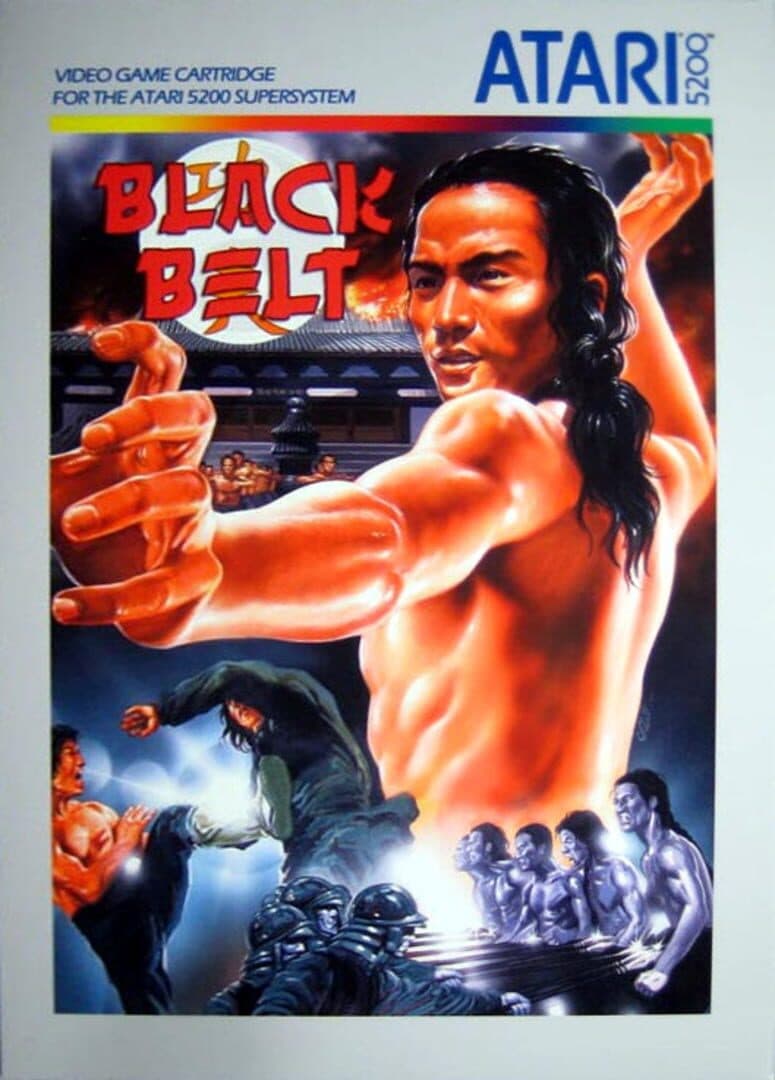
Black Belt: When Fist of the North Star Got Stuck in Japan
In 1986, the Master System welcomed a beat'em up officially licensed from Hokuto no Ken in Japan. Outside the archipelago, the same game shipped under the name Black Belt, stripped of all license references. Forty years later, this textbook case illustrates a systematic practice of the 8-bit era: draining a game of its cultural identity to make it exportable. A commercial decision that reveals much about how publishers treated the Western market.
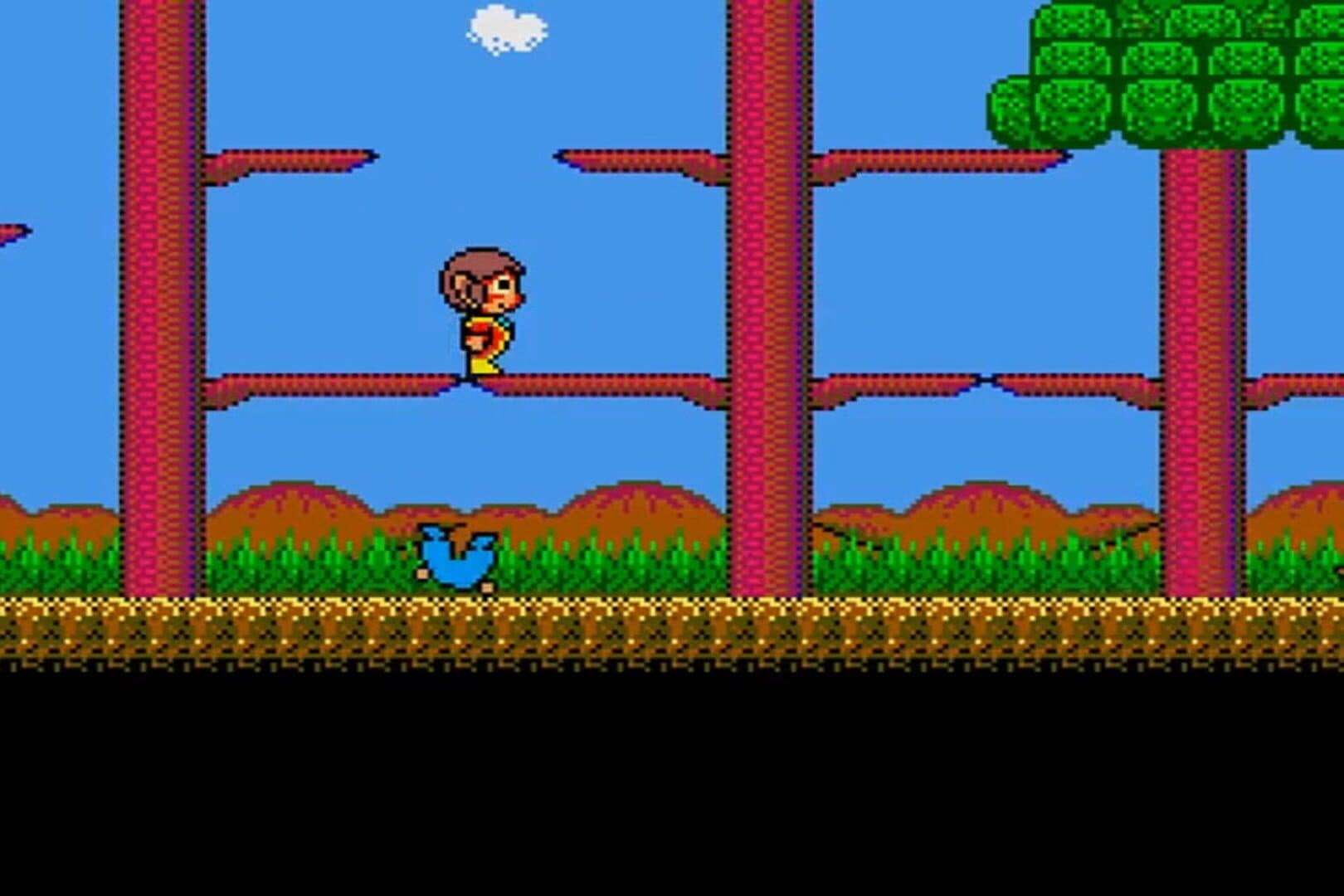
Alex Kidd in High-Tech World: How SEGA Sabotaged Its Own Mascot
Before Sonic, SEGA bet everything on Alex Kidd to rival Mario on Master System. In 1987 in Japan, then 1989 in the West, the studio released Alex Kidd in High-Tech World, a game that would paradoxically seal the commercial death of its own champion. A case study in poor franchise management: how a publisher can destroy its mascot by giving it the wrong game.

Deep Fear: The Survival Horror the Saturn Took Down With It
In 1998, Sega's Saturn quietly dies while the industry watches. But it takes Deep Fear with it—a submarine survival horror that clearly eyed Resident Evil just as PlayStation was about to dominate the generation. Twenty-eight years later, this game remains the perfect example of a well-crafted title sacrificed on the altar of a console war already lost.