Black Belt: When Fist of the North Star Got Stuck in Japan
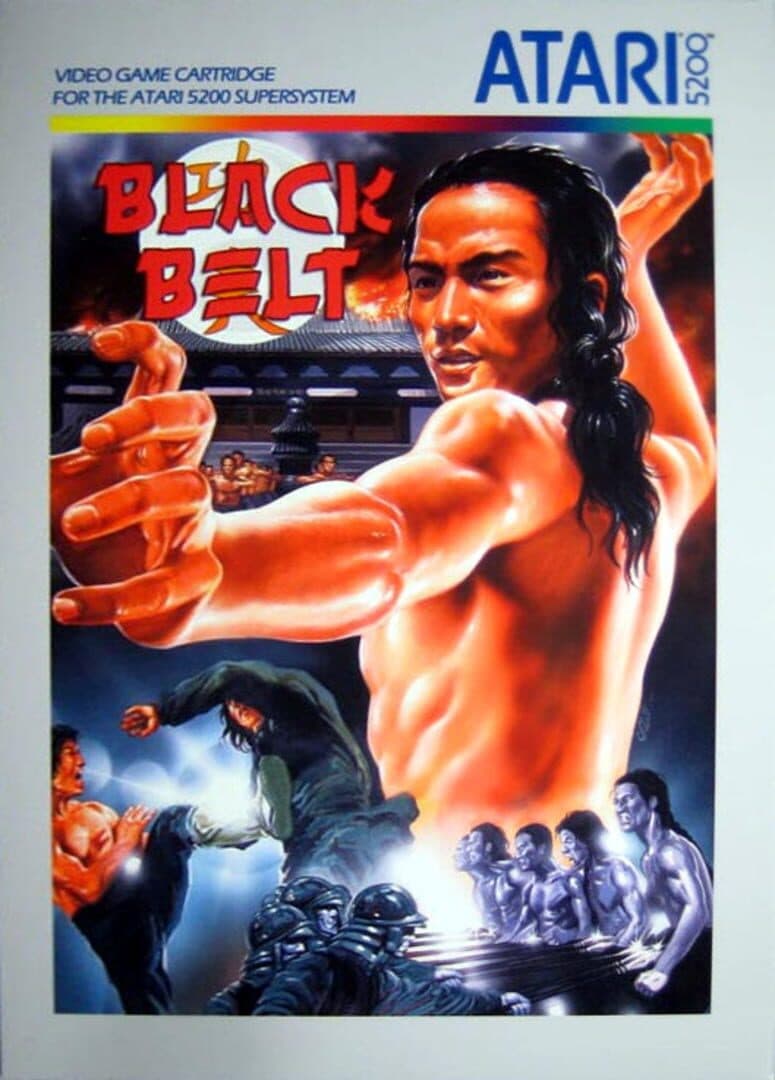
In 1986, the Master System welcomed a beat'em up officially licensed from Hokuto no Ken in Japan. Outside the archipelago, the same game shipped under the name Black Belt, stripped of all license references. Forty years later, this textbook case illustrates a systematic practice of the 8-bit era: draining a game of its cultural identity to make it exportable. A commercial decision that reveals much about how publishers treated the Western market.
Topic
News
Reading
3 min read
Updated
Monday, July 20, 2026
Key points
- 1In 1986, the Master System welcomed a beat'em up officially licensed from Hokuto no Ken in Japan.
- 2Outside the archipelago, the same game shipped under the name Black Belt, stripped of all license references.
- 3Forty years later, this textbook case illustrates a systematic practice of the 8-bit era: draining a game of its cultural identity to make it exportable.
Lumnix angle
We isolate the useful facts first, then keep the analysis focused on what changes for players.
In 1986, SEGA published on Master System a horizontally scrolling fight game directly adapted from the Hokuto no Ken license — known in France as Fist of the North Star. The Japanese title let players control Kenshiro, the hero of manga artist Buronson and Tetsuo Hara's series, in brutal confrontations faithful to the original post-apocalyptic setting. Outside Japan, this same game resurfaced under the name Black Belt, with Kenshiro renamed to an anonymous fighter and the license scrubbed down to the last logo. Forty years later, this case remains one of the clearest examples of an era when localizing a game sometimes meant gutting its substance.
A License Too Cumbersome to Cross the Ocean
The practice wasn't isolated. During the same period, Nintendo was repackaging its own games for the Western market: Super Mario Bros. 2, released in 1988 outside Japan, wasn't a direct sequel to the first game but a reworked version of Doki Doki Panic, a title initially unrelated to Mario. Similarly, Nintendo World Cup from 1990 replaced Kunio-kun characters with generic football players for European and American markets. In both cases, the logic was identical: a Japanese license deemed unexportable, replaced by a neutral identity supposedly more universal.
For Black Belt, the constraint was twofold. Hokuto no Ken certainly benefited from anime distribution in France starting in 1987 under the title Fist of the North Star, but the manga license remained poorly structured commercially outside Japan. SEGA preferred to neutralize the product rather than negotiate complex rights across multiple territories.
What Stripping a License Costs the Game Itself
The problem extends beyond cosmetics. In the Japanese version, graphic violence — exploding heads, abundant blood, characteristic screams — was directly anchored to the series' identity. Hokuto no Ken is a work that makes physical brutality a narrative engine. By removing the license, Black Belt lost not just character names but part of its internal justification: why does this fighter hit so hard, why do enemies die this specific way? The answer lay in the original universe, now absent.
This tension between narrative coherence and commercial constraint is precisely what makes the case interesting today. The game technically still existed, but it had lost its meaning. It's not merely a question of changed names.
Forty Years Later, the License Survived Better Than Its Ghost Adaptation
Hokuto no Ken is today a robust license, regularly exploited in video games: Fist of the North Star: Lost Paradise by Ryu Ga Gotoku Studio in 2018 or the Hokuto ga Gotoku series are recent and unapologetic examples. The license endures across generations without shame about its identity. Black Belt, meanwhile, remains a collector's curiosity, appreciated for its 8-bit beat'em up qualities but unable to carry the same symbolic weight as its Japanese counterpart.
This reversal is instructive. Publishers of the era believed cultural neutralization was a prerequisite for export success. The market proved the opposite over time: it's the licenses that owned their identity, with their essence intact, that built lasting franchises. Black Belt is an unwilling witness to this industrial miscalculation.
In brief
In 1986, the Master System welcomed a beat'em up officially licensed from Hokuto no Ken in Japan. Outside the archipelago, the same game shipped under the name Black Belt, stripped of all license references. Forty years later, this textbook case illustrates a systematic practice of the 8-bit era: draining a game of its cultural identity to make it exportable. A commercial decision that reveals much about how publishers treated the Western market.