#rétrogaming
10 article(s)
NiGHTS into Dreams: The Game That Forced Sega to Reinvent Its Controller
In 1995, Yuji Naka and Naoto Ohshima finished NiGHTS into Dreams for the Saturn with an unsolvable problem: the standard pad's directional cross, limited to eight directions, couldn't handle the jester's analog flight. Sega had to design an entire controller in just a few months. This radical choice highlights an ongoing tension between gameplay ambition and available hardware.

97 Super Mario Bros NES Cartridges Found in Attic Shake Up Collector Market
A forgotten box from over thirty years ago yielded 97 near-mint Super Mario Bros NES cartridges, according to Nintendo Wire. Beyond the headline, this discovery reignites questions about the real value of rare cartridges in a collector market already saturated with speculative record sales.

SpellCaster Turns 38: The Language Barrier Still Stands
SpellCaster, Sega's action-RPG, hit its 38th anniversary this week. A game that stood out for its hybrid and ambitious format on Master System, but one most French-speaking players never fully experienced due to lack of localization. A textbook case of what absent translation costs, and how language can turn discovery into lasting frustration.

Super Mario 64 Running on PS1: A Technical Challenge Takes Shape
An amateur developer is tackling one of homebrew's most ambitious technical bets: getting Super Mario 64 running on a PlayStation 1. The project is making real progress, raising genuine questions about the hardware limits of a machine never designed for this. Between reverse-engineering feat and niche curiosity, this port says something about the enduring grip Nintendo's classic still holds.
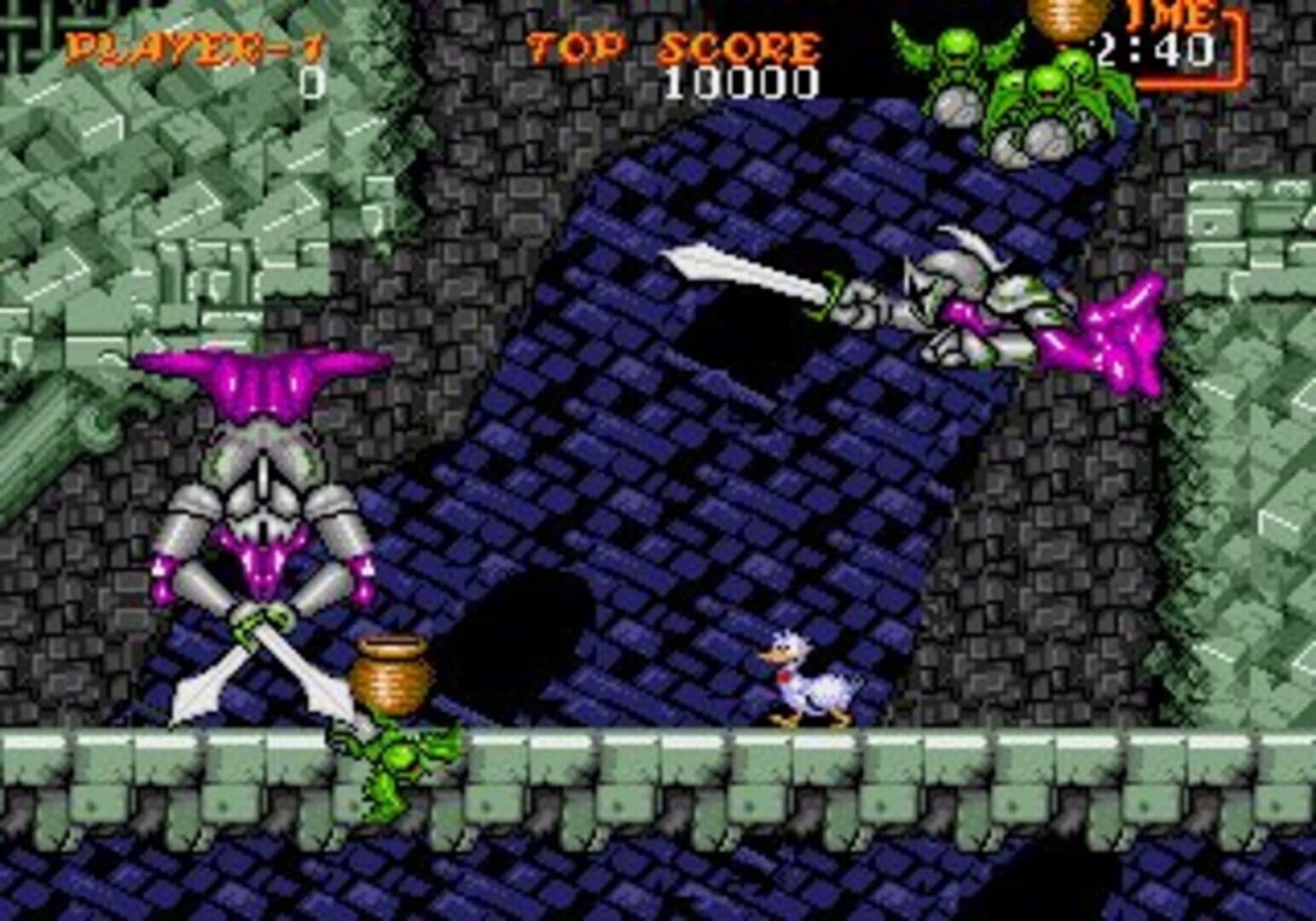
Ghouls'n Ghosts Mega Drive: The Arcade Game That Defined a Console
Before Super Ghouls'n Ghosts was designed natively for the Super Nintendo, Ghouls'n Ghosts was an arcade cabinet that the Mega Drive elevated to absolute reference status. This isn't a minor detail—it says something precise about what Sega demanded from its machine and what players of that era actually experienced. Revisiting this port means understanding why certain titles forge a platform's identity better than any exclusive game designed for it.
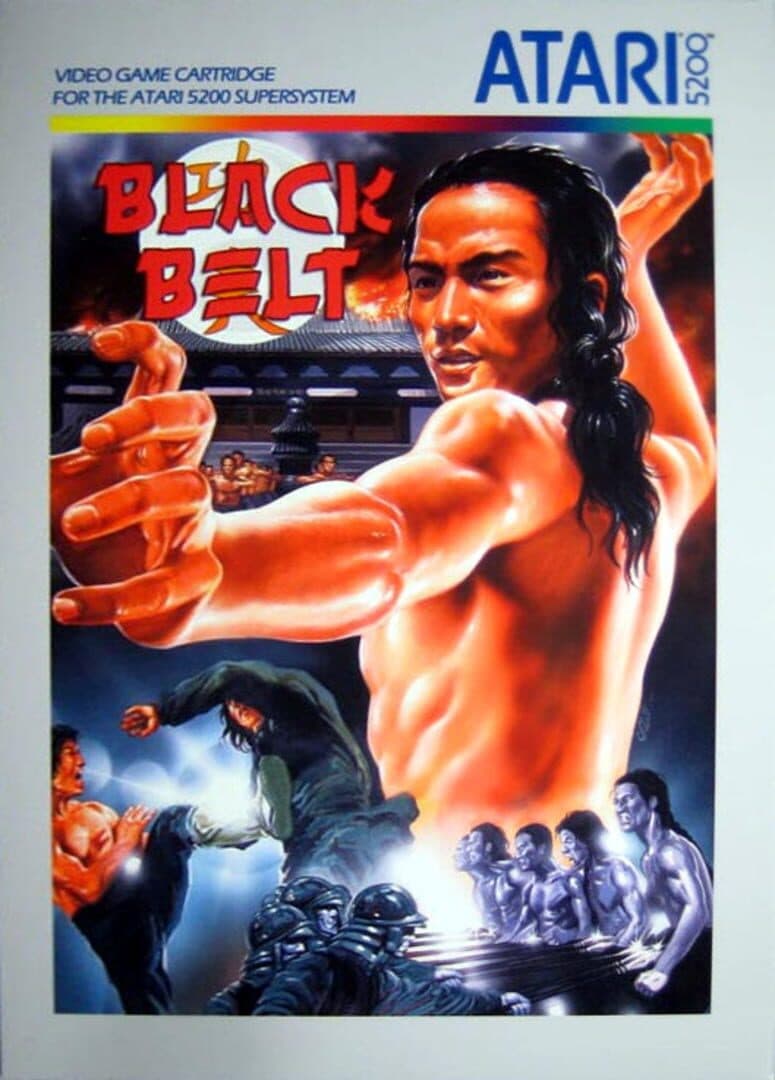
Black Belt: When Fist of the North Star Got Stuck in Japan
In 1986, the Master System welcomed a beat'em up officially licensed from Hokuto no Ken in Japan. Outside the archipelago, the same game shipped under the name Black Belt, stripped of all license references. Forty years later, this textbook case illustrates a systematic practice of the 8-bit era: draining a game of its cultural identity to make it exportable. A commercial decision that reveals much about how publishers treated the Western market.
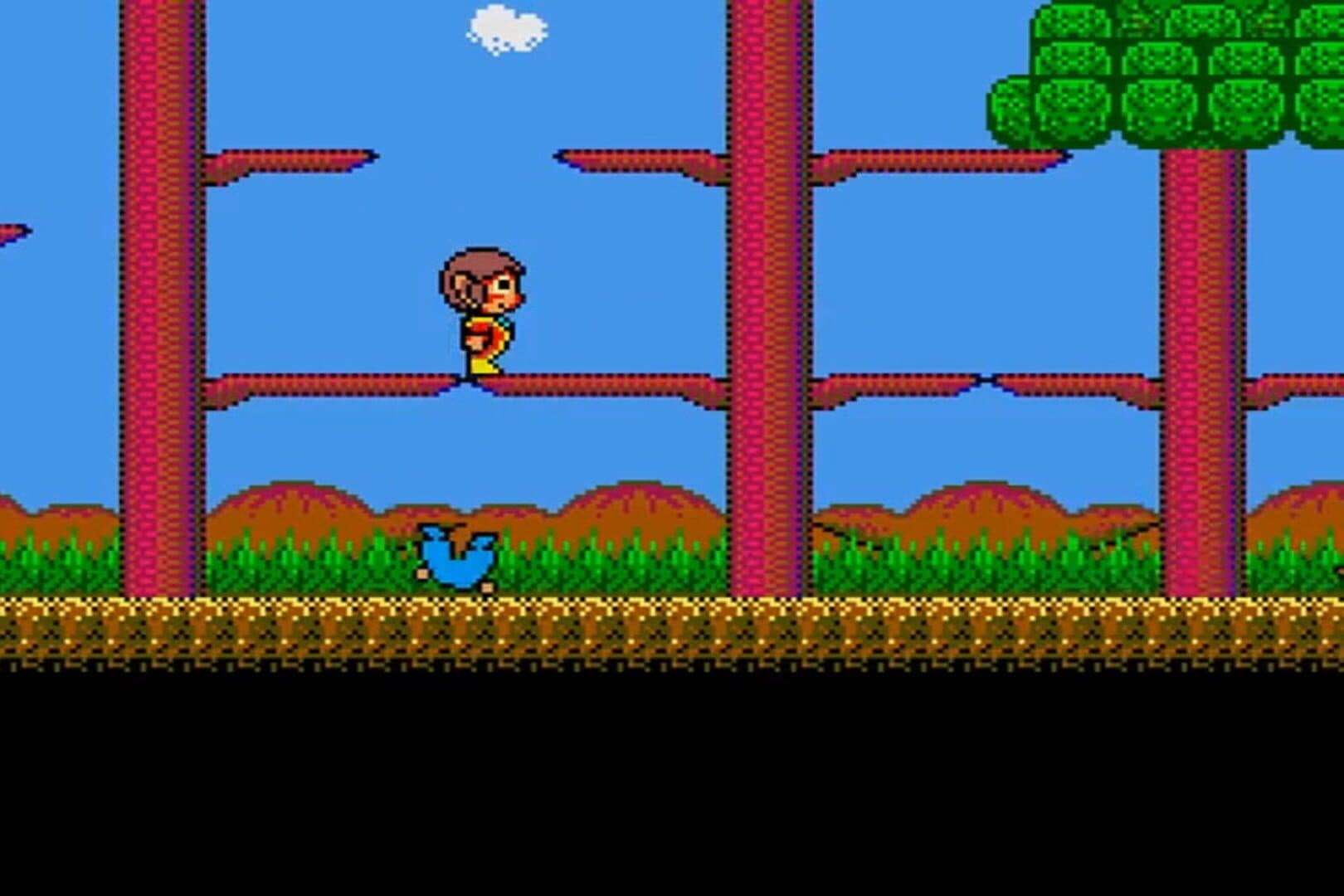
Alex Kidd in High-Tech World: How SEGA Sabotaged Its Own Mascot
Before Sonic, SEGA bet everything on Alex Kidd to rival Mario on Master System. In 1987 in Japan, then 1989 in the West, the studio released Alex Kidd in High-Tech World, a game that would paradoxically seal the commercial death of its own champion. A case study in poor franchise management: how a publisher can destroy its mascot by giving it the wrong game.
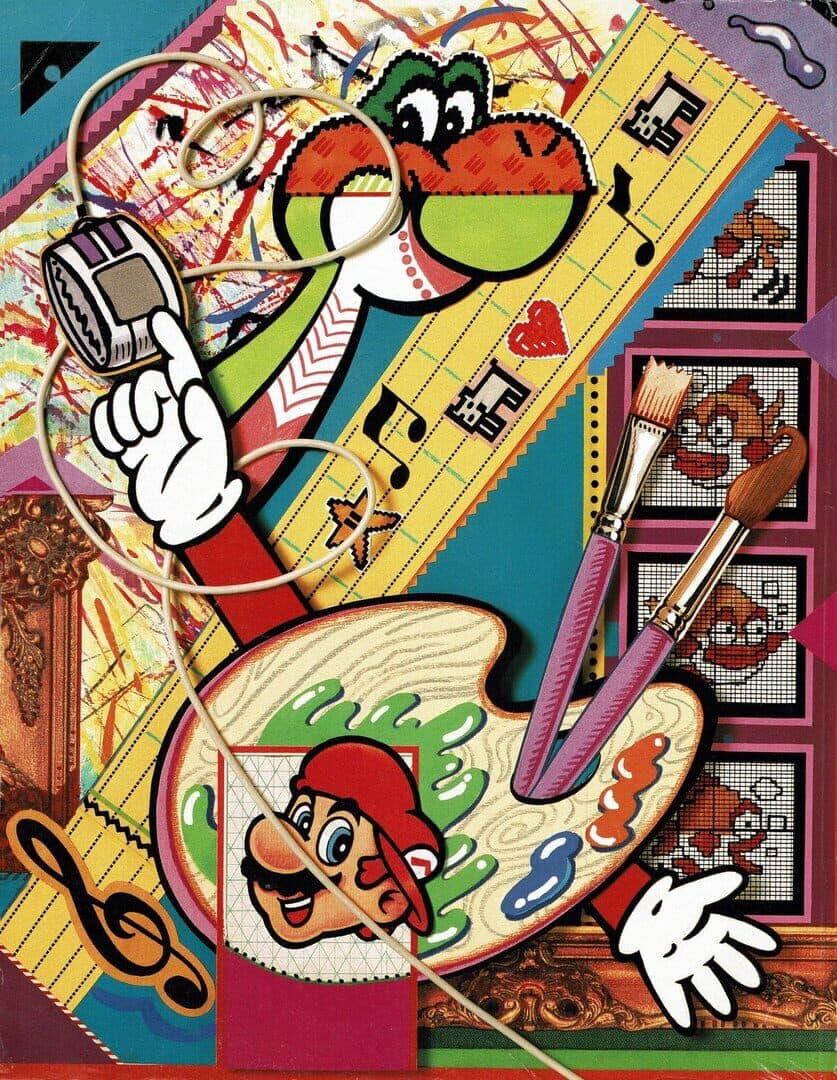
Mario Paint at 34: Nintendo's Hybrid That Blurred the Lines
Released in 1992 on Super Nintendo, Mario Paint wasn't really a game. It was a creation software sold with a mouse, at a time when Nintendo was trying to establish itself in homes as an educational tool as much as an entertainment console. Thirty-four years later, this atypical cartridge remains a textbook example of what a manufacturer can risk when it decides to step outside the boundaries of pure video gaming.

Bubble Bobble at 40: What's Left of Taito's Masterpiece?
Forty years after its arcade debut, Bubble Bobble remains one of Taito's most iconic creations. But beneath the easy nostalgia lies a real question: how did a 1986 game manage to permanently stamp its DNA on cooperative game design, and why have its sequels never truly capitalized on that symbolic capital? The verdict is more complicated than it appears.

Dino Stalker at 24: B-movie charm or victim of its own reputation?
On June 27, 2002, Capcom launched Dino Stalker in Japan on PlayStation 2, developed by TOSE and designed for the Guncon 2 light gun. Since then, the game has carried a reputation as an industrial disaster. But between a niche arcade genre, a particular production context, and a collective memory eager to amplify flaws, the reality might be more complicated. A closer look at a cult oddity that deserves a more precise critique.