Black Myth Zhong Kui: 15 Minutes That Change Everything for Game Science
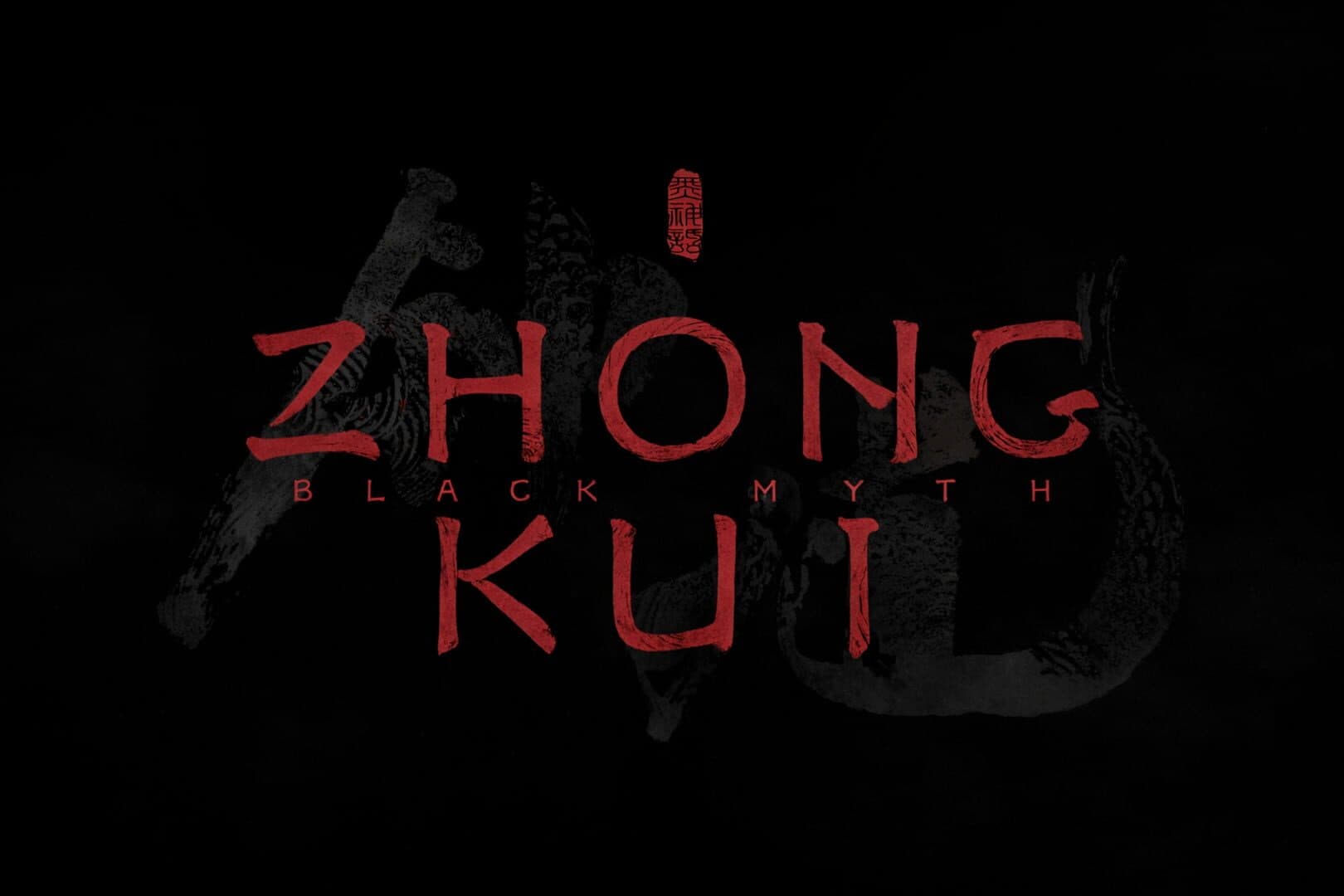
Without warning, Game Science dropped a fifteen-minute gameplay demonstration of Black Myth Zhong Kui on August 20—the direct successor to Black Myth Wukong. Exactly one year after the project announcement, the Chinese studio is setting a communication pace that stands out in the industry. This isn't vague teasing: it's raw gameplay, and it raises hard questions about what the studio can actually deliver.
Topic
News
Reading
3 min read
Updated
Thursday, August 20, 2026
Key points
- 1Without warning, Game Science dropped a fifteen-minute gameplay demonstration of Black Myth Zhong Kui on August 20—the direct successor to Black Myth Wukong.
- 2Exactly one year after the project announcement, the Chinese studio is setting a communication pace that stands out in the industry.
- 3This isn't vague teasing: it's raw gameplay, and it raises hard questions about what the studio can actually deliver.
Lumnix angle
We isolate the useful facts first, then keep the analysis focused on what changes for players.
Fifteen minutes of unpolished gameplay, dropped without ceremony on August 20, 2026—the one-year anniversary of the game's announcement. Game Science held no conference, issued no press release with fanfare: the Black Myth Zhong Kui demonstration simply appeared, and the industry took notice. It's a communication strategy that signals something about the studio's confidence in its product—or its willingness to bypass traditional media cycles.
The stakes are immediate: after Black Myth Wukong's massive worldwide success in August 2024, Game Science carries enormous pressure. The first game shattered sales records and repositioned Chinese action games on the global stage. Zhong Kui needs to prove that wasn't a fluke.
Zhong Kui Is Nothing Like Wukong
The choice of protagonist is the first major signal. Zhong Kui is a figure from Taoist mythology—a demon hunter and judge of the underworld—nothing like the mischievous, acrobatic monkey from the first game. Where Wukong embodied rebellion and speed, Zhong Kui evokes something heavier, more ritualistic. If the fifteen-minute demonstration accurately reflects the game's direction, Game Science seems intent on expanding its narrative range rather than duplicating a winning formula.
It's a serious editorial gamble. Studios that chain two licenses with strong mythological grounding on similar technical foundations risk either repetition or losing what made the first game's identity distinctive. FromSoftware navigated this tension between Demon's Souls (2009) and Dark Souls (2011)—the kinship was obvious, but the distinct identity was clear. Game Science is playing a comparable score.
A Demonstration That Sets Expectations—For Better or Worse
Showing fifteen minutes of gameplay a year before a possible release is either bold or reckless depending on what's on screen. If systems are already legible, animations are polished, and the art direction is cohesive, it signals development maturity. If the demonstration reveals rough edges—dodgy collision detection, approximate AI, questionable hitboxes—it gives ammunition to both critics and fans.
Game Science made the same choice with Wukong: lengthy demonstrations early in the cycle that served as a public thermometer. The strategy worked because the shipped game resembled what had been shown. Repeating this approach with Zhong Kui amounts to implicitly promising the same execution rigor. It's a form of commitment few studios dare take so frontally.
Game Science is no longer an emerging studio to watch from a distance. With Black Myth Wukong, it joined the ranks of developers capable of producing high-demand technical action games. Marking the Zhong Kui announcement anniversary with substantive content—not a still image, not a logo on a black background—indicates internal organization that meets its own deadlines.
One structural question remains: Can Game Science duplicate the intensity of Wukong's development on a second equally ambitious project without the delays that marked the first game's production? Wukong took years to finish, with visibly turbulent development phases before reaching its final form. Zhong Kui appears to be progressing at a more visible, controlled pace—but video game history is full of studios that presented fifteen convincing minutes before shipping an uneven product.
That's the real shift in status. Before Wukong, Game Science could surprise risk-free: nobody expected much from a studio unknown outside China. With Zhong Kui, every published image will be compared, every design choice scrutinized. The August 20 demonstration sets the bar high—deliberately. This isn't a studio trying to manage expectations downward; it's one that chooses to own its own pressure. The result will say whether that confidence was earned or premature.
In brief
Without warning, Game Science dropped a fifteen-minute gameplay demonstration of Black Myth Zhong Kui on August 20—the direct successor to Black Myth Wukong. Exactly one year after the project announcement, the Chinese studio is setting a communication pace that stands out in the industry. This isn't vague teasing: it's raw gameplay, and it raises hard questions about what the studio can actually deliver.