GTA VI Dominates Gaming Press—and Outlets Are Finally Admitting It
Gamekult publishes an unusual editorial: the newsroom acknowledges that GTA VI will dictate its coverage in the coming weeks, driven by economic necessity as much as editorial concerns. Behind the confession lies a larger question for all gaming media: can you cover a Rockstar blockbuster without descending into obsessive surveillance at the expense of everything else?
Topic
News
Reading
3 min read
Updated
Friday, October 2, 2026
Key points
- 1Gamekult publishes an unusual editorial: the newsroom acknowledges that GTA VI will dictate its coverage in the coming weeks, driven by economic necessity as much as editorial concerns.
- 2Behind the confession lies a larger question for all gaming media: can you cover a Rockstar blockbuster without descending into obsessive surveillance at the expense of everything else?
- 3Gamekult laid it out plainly in an editorial this week: the newsroom expects to cover GTA VI continuously in the months leading up to its November 19, 2026 launch from Rockstar.
Lumnix angle
We isolate the useful facts first, then keep the analysis focused on what changes for players.
Community pulse
Are you planning to buy this game?
GTA VI
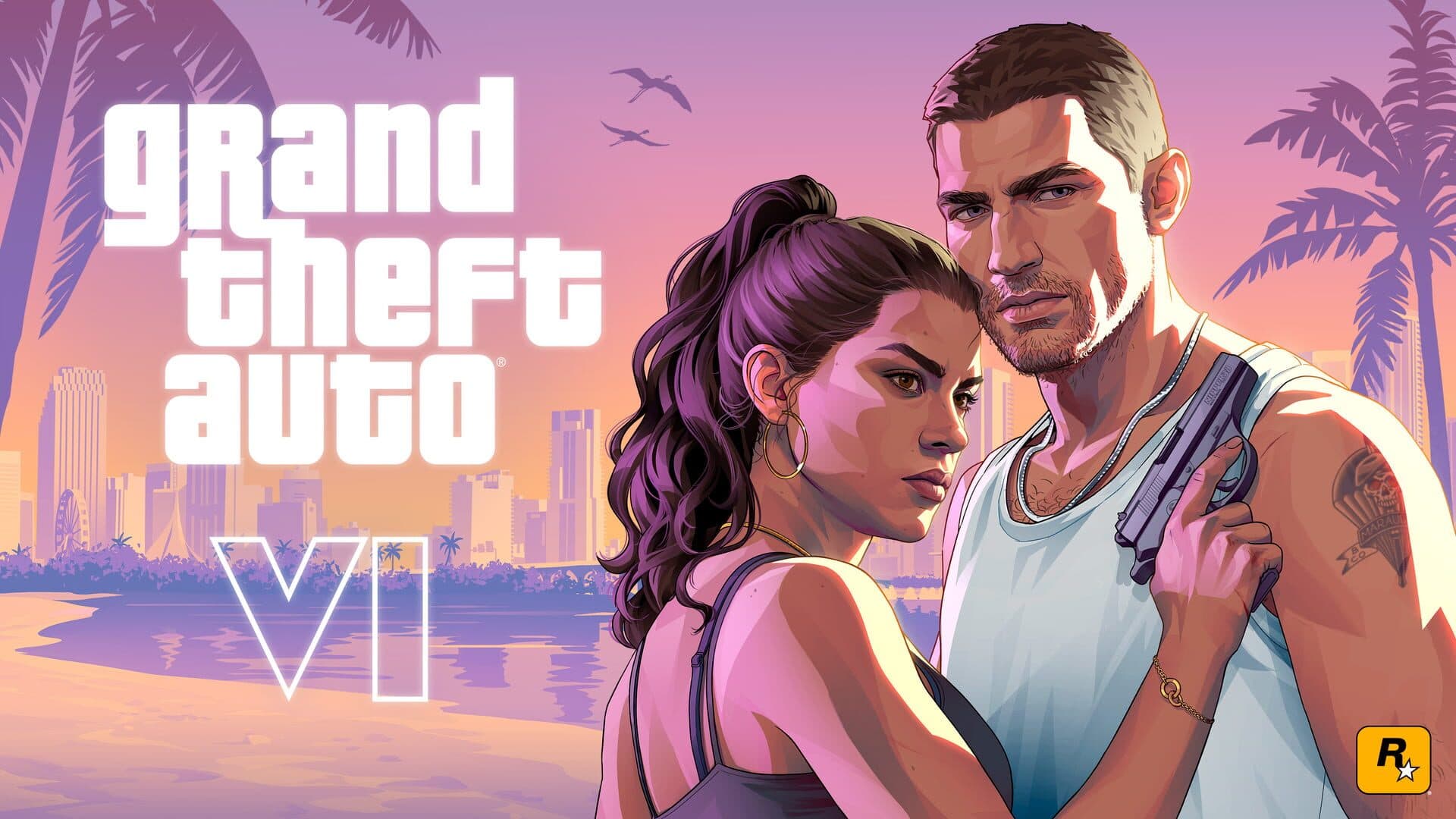
Gamekult laid it out plainly in an editorial this week: the newsroom expects to cover GTA VI continuously in the months leading up to its November 19, 2026 launch from Rockstar. Not out of enthusiastically embraced editorial choice, but out of necessity. The conclusion is simple and almost uncomfortable to state publicly: no specialized media outlet escapes the game's pull, even those who'd prefer to keep their distance.
What makes the admission interesting isn't the novelty of the phenomenon—Rockstar has mesmerized audiences since Grand Theft Auto V in 2013—but that a newsroom owns up to it directly rather than dressing it up as natural editorial practice. This candor reveals a structural tension that goes far beyond Gamekult's situation.
How a Single Game Can Paralyze an Entire Newsroom
The mechanism isn't mysterious. Every screenshot, every date rumor, every frame extracted from a trailer becomes a story unto itself, dissected pixel by pixel by a community in a state of permanent vigilance. A game like GTA VI generates an almost autonomous news cycle, practically independent of Rockstar's own communication schedule.
For a newsroom, ignoring this stream means cutting itself off from substantial traffic. Covering it continuously, though, mechanically forces a reduction in coverage for other releases—sometimes equally worthwhile, but unable to compete with the viral mechanics of a Rockstar title. Between the two options, there's no genuinely comfortable position: either you submit to market pressure, or you accept losing visibility against competitors who won't hold back.
A Recurring Issue That's Anything But Trivial for Gaming Media Economics
This subject comes up regularly on forums and in conversations between gaming journalists, often as a slightly cynical joke about Rockstar blockbuster omnipresence. But the economic dimension is real. In a sector where advertising and partnerships depend directly on traffic, a topic capable of generating dozens of articles over several months represents a resource few newsrooms can afford to ignore—even those claiming a more selective editorial line.
The problem isn't that GTA VI interests players—that's expected and legitimate for a game of this scale. The problem is that this attention ends up structuring the editorial calendar of outlets that, on paper, should have the freedom to set their own priorities. Almost no French specialized newsroom has the means to treat GTA VI as marginal without paying an audience price.
The real limit of this spiral is that it confuses two distinct things: reporting on an anticipated game, and scrutinizing every detail with an intensity that's closer to stalking than journalism. Breaking down the texture of pavement in a stolen screenshot provides nothing concrete to players, but it feeds a self-perpetuating article cycle.
This dynamic also creates imbalance for smaller studios, whose releases struggle to exist in a media landscape captured by a single gravitational object. An indie game launching the same week as a GTA VI leak has statistically zero chance of capturing equivalent attention, regardless of its own merits.
Naming the Black Hole Isn't Enough to Escape It
Gamekult's editorial deserves credit for naming the problem rather than denying it—already a rare gesture in a sector where editorial self-criticism remains timid. But the admission doesn't shift the economic power dynamics pushing all gaming media toward the same object. As long as player attention stays massively concentrated on a single blockbuster, newsrooms will keep arbitrating between editorial integrity and business survival. At Lumnix, we'd rather speak plainly about this imbalance than pretend we can dodge it through posture.
In brief
Gamekult publishes an unusual editorial: the newsroom acknowledges that GTA VI will dictate its coverage in the coming weeks, driven by economic necessity as much as editorial concerns. Behind the confession lies a larger question for all gaming media: can you cover a Rockstar blockbuster without descending into obsessive surveillance at the expense of everything else?