GTA VI: Why the TV Spot Isn't What You Saw Online
Two versions of the GTA VI launch trailer are now in circulation: the one released online and a retouched variant for American television. Rockstar is adapting its image to the distribution platform, revealing a dual-track marketing strategy ahead of the game's release.
Topic
News
Reading
4 min read
Updated
Friday, October 23, 2026
Key points
- 1Two versions of the GTA VI launch trailer are now in circulation: the one released online and a retouched variant for American television.
- 2Rockstar is adapting its image to the distribution platform, revealing a dual-track marketing strategy ahead of the game's release.
- 3Two distinct cuts of the Grand Theft Auto VI launch trailer have circulated in recent days: the version released online by Rockstar Games, and a variant airing on American television networks.
Lumnix angle
We isolate the useful facts first, then keep the analysis focused on what changes for players.
Community pulse
Are you planning to buy this game?
GTA VI
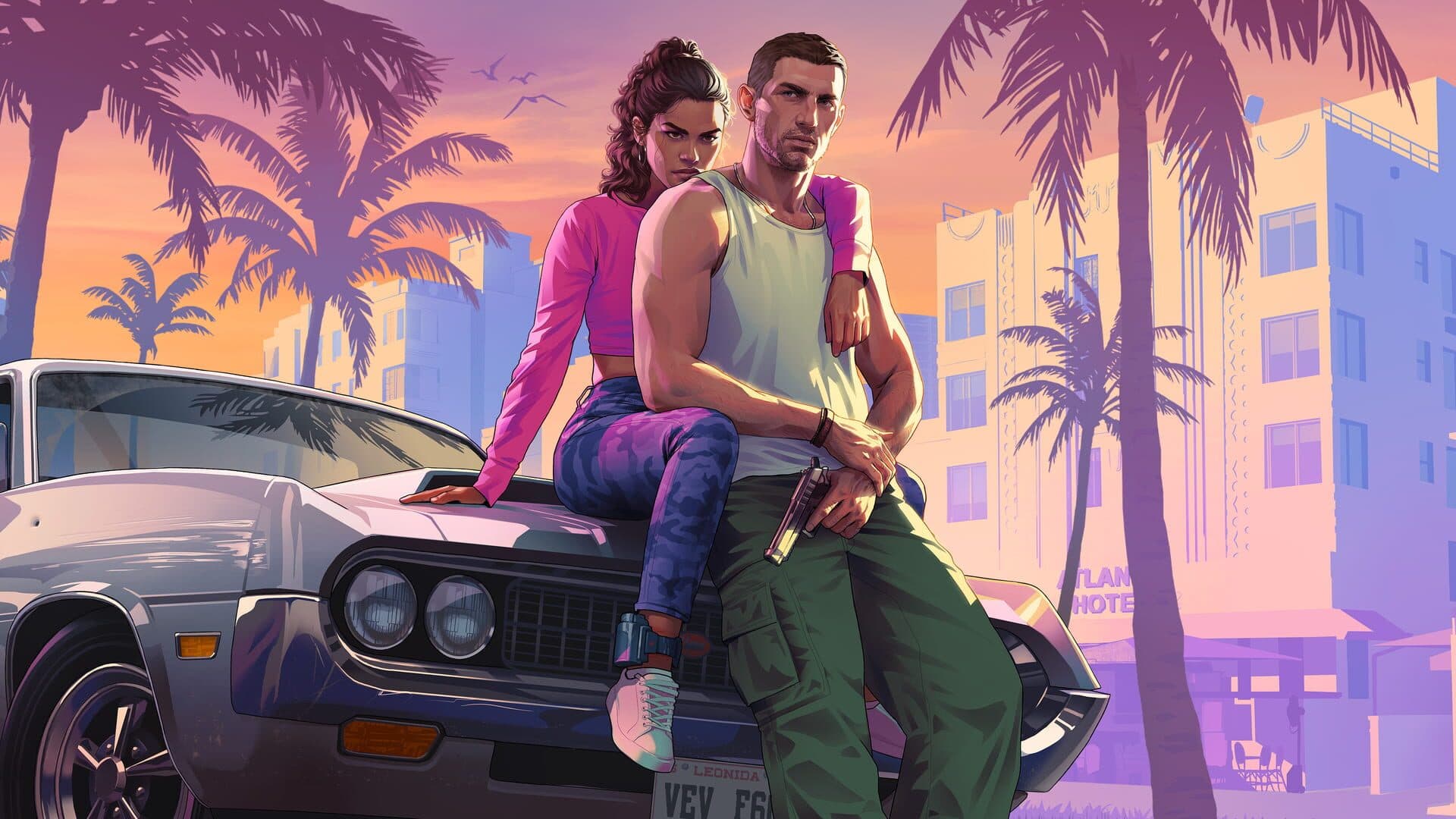
Two distinct cuts of the Grand Theft Auto VI launch trailer have circulated in recent days: the version released online by Rockstar Games, and a variant airing on American television networks. Both share the same backbone, but not the same content. Some shots have been trimmed, others removed, the soundtrack adjusted, and the overall pacing of the TV spot is more restrained than the web version.
This isn't a minor technical detail. With the game's release just weeks away after Rockstar delayed it repeatedly, the way the studio calibrates its message by distribution channel says volumes about the stakes involved commercially. GTA VI is no longer just a game anticipated by the gaming community: it's a media event that Rockstar wants to land cleanly across every screen, including those that the gaming press rarely watches.
A Cut Designed to Slip Past TV Regulation Radar
The online version fully embraces the franchise's identity: stylized violence, dark humor, densely layered urban scenes. The television version, by contrast, softens some of that intensity. Shots deemed too explicit vanish, replaced by more neutral inserts or simply removed in editing. The result is a shorter, smoother spot, tailored to air without friction on mainstream networks that won't tolerate the same content level as a platform like YouTube.
This dual-cut approach isn't unprecedented in the industry: Bethesda already did this for Fallout 4 in 2015, toning down certain violent shots for American TV spots, and Activision did the same with multiple Call of Duty campaigns airing during major sporting events. But the sheer visibility scale of GTA VI changes the problem's magnitude: every cut, every reframe is immediately compared, dissected, and debated by a community that knows the original version frame by frame.
The Price of Mass-Market Exposure
By retouching its trailer for television, Rockstar accepts a compromise the franchise never really had to make before: adapting its image for audiences who aren't specifically seeking the game but will encounter it between ads during a sports broadcast or prime-time show. That's a strategic shift. GTA built its reputation on deliberate provocation and refusing self-censorship; airing a softened version, even temporarily, raises questions about whether the studio can maintain that identity once the game faces an audience far broader than its core fanbase.
This tension is nothing new for the series: GTA V already underwent advertising adjustments at its 2013 launch, particularly for spots running during American sporting events. But the landscape has shifted. GTA VI arrives in a media environment where every clip is instantly captured, recirculated, and shared across social media, making total control of a message that changes by channel virtually impossible.
The studio released no official details on the precise reasons for these cuts, nor explicitly confirmed the existence of two distinct cuts. This discretion reflects Rockstar's habit of never detailing marketing choices, leaving players and press to reverse-engineer the logic behind each campaign themselves. For a release of this magnitude, that silence carries more weight: players who tracked the game's development for years expect consistency between marketing promises and the final product, and every tonal shift between distribution platforms fuels speculation about what the game will actually show once you're holding the controller.
This dual advertising message doesn't undermine the game's expected quality, but it exposes a simple reality: Rockstar can no longer afford to speak the same language to everyone. GTA VI already exceeds the bounds of a standard video game, and its communication must now juggle constraints the franchise never faced at this scale. The brand gains audience reach at the cost of tonal freedom, and that may be the real price of the game's anticipated success.
In brief
Two versions of the GTA VI launch trailer are now in circulation: the one released online and a retouched variant for American television. Rockstar is adapting its image to the distribution platform, revealing a dual-track marketing strategy ahead of the game's release.