007 First Light Arrives, but Project Fantasy is IO Interactive's Real Gamble
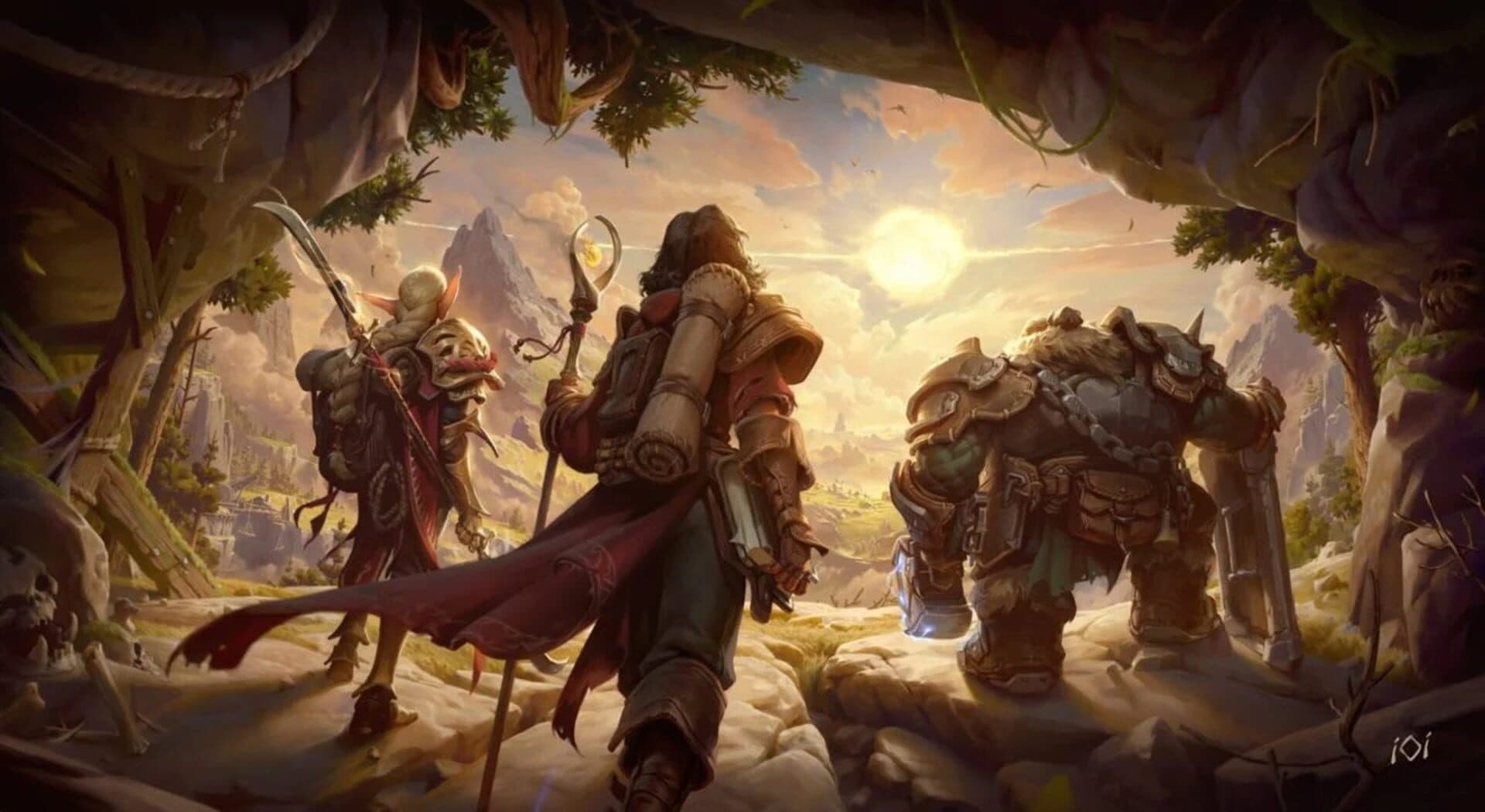
Three weeks before 007 First Light hits shelves, IO Interactive is juggling two wildly different projects. On one side, a highly anticipated spy game about young James Bond. On the other, Project Fantasy, an open-world online RPG whose ambitions far exceed the scope of any single franchise. For a studio whose DNA is Hitman, this dramatic pivot deserves serious examination.
Topic
News
Reading
3 min read
Updated
Monday, May 11, 2026
Key points
- 1Three weeks before 007 First Light hits shelves, IO Interactive is juggling two wildly different projects.
- 2On one side, a highly anticipated spy game about young James Bond.
- 3On the other, Project Fantasy, an open-world online RPG whose ambitions far exceed the scope of any single franchise.
Lumnix angle
We isolate the useful facts first, then keep the analysis focused on what changes for players.
IO Interactive Playing Two Hands
On May 27, 2026, IO Interactive releases 007 First Light, its take on young James Bond. The date is set, the trailers have run their course, marketing is in full swing. Yet in conversations surrounding the Danish studio, another project is capturing the attention of close observers: Project Fantasy, a multiplayer online RPG whose existence was confirmed years ago and whose details remain deliberately vague.
The paradox is real. IO Interactive is fundamentally the studio behind the World of Assassination trilogy — Hitman (2016), Hitman 2 (2018), Hitman 3 (2021) — one of the most refined stealth-assassination series of the decade. Moving from a bald assassin to swords and fantasy spells is a 180-degree turn. And that's precisely what makes Project Fantasy so intriguing.
Why Project Fantasy Generates More Buzz Than 007
007 First Light fits a familiar template: an action-adventure game built for a premium license, complete with commercial weight and creative constraints that entails. The Bond franchise has had mixed fortunes in video games, from GoldenEye 007 (1997, Rare/Nintendo) to James Bond 007: Blood Stone (2010, Bizarre Creations), with uneven results across installments. IO Interactive is inheriting a demanding license.
Project Fantasy, meanwhile, is a blank slate. No IP to manage, no novel or film fans to please, no iconic actor to model. The studio can build its universe from scratch, and that creative freedom fuels anticipation. IO proved with Hitman that it knows how to design dense, readable spaces packed with systemic possibilities. Translating that level-design intelligence into an online fantasy RPG is a proposition worth dreaming about.
The studio itself has discussed the project in official communications, describing it as a multiplayer open-world experience. Details remain scarce, but the direction is clear: this isn't Hitman in wizard's clothing, it's an ambition that's structurally different.
The Risk of Overextension
Making two games simultaneously in radically different genres is a recipe for internal tension. Studios that have attempted such dramatic genre shifts have sometimes paid a steep price. Cyberpunk 2077 (2020, CD Projekt Red) illustrated how a single massive production can destabilize a studio; imagine two projects of this scale running in parallel.
IO Interactive has arguments in its favor. Since ending its Square Enix contract and reclaiming the Hitman rights, the studio is independent and sets its own pace. A two-team development structure — one on 007, the other on Project Fantasy — appears to be the model in place, though no detailed official confirmation exists yet.
The real question isn't whether 007 First Light will be good or bad. It's whether Project Fantasy will survive the gravitational pull of a major commercial release, and whether IO Interactive can maintain the resources and vision to execute both.
What We're Really Waiting For
For the Lumnix editorial team, who's been following IO Interactive since the first season of Hitman (2016), the interest in Project Fantasy is straightforward: it's the project where the studio has no safety net. No license, no pre-existing character, no built-in audience. Just a team that proved it could construct living environments and subtle game mechanics, confronted with the ambition of a genre — online fantasy RPG — that routinely chews up newcomers.
007 First Light will be judged in three weeks. Project Fantasy, meanwhile, is building in the shadows, and that may be where the studio's long-term future is decided. We'll be watching.
In brief
Three weeks before 007 First Light hits shelves, IO Interactive is juggling two wildly different projects. On one side, a highly anticipated spy game about young James Bond. On the other, Project Fantasy, an open-world online RPG whose ambitions far exceed the scope of any single franchise. For a studio whose DNA is Hitman, this dramatic pivot deserves serious examination.