2XKO Canceled: Riot Games Exposes Fighting Game Industry Crisis
Riot Games halted 2XKO development in December 2026, citing economic nonviability. This isn't just another free-to-play fighter collapsing—it's a symptom of an entire genre under pressure, unable to balance competitive ambition with sustainable business models. Only Capcom seems to have cracked the code everyone's been searching for.
Topic
News
Reading
3 min read
Updated
Friday, August 21, 2026
Key points
- 1Riot Games halted 2XKO development in December 2026, citing economic nonviability.
- 2This isn't just another free-to-play fighter collapsing—it's a symptom of an entire genre under pressure, unable to balance competitive ambition with sustainable business models.
- 3Only Capcom seems to have cracked the code everyone's been searching for.
Lumnix angle
We isolate the useful facts first, then keep the analysis focused on what changes for players.
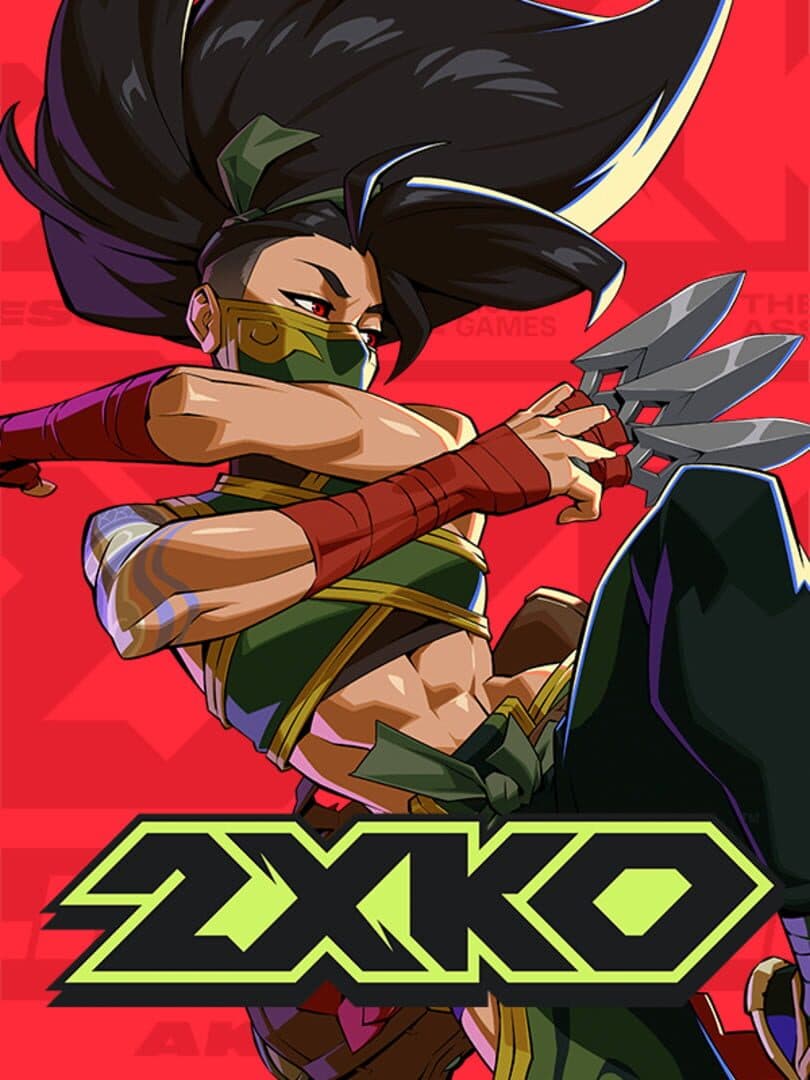
Riot Games confirmed the shutdown of 2XKO development for December 2026. The free-to-play fighting game set in the League of Legends universe, announced under the codename Project L back in 2019, will never reach an official full release. The stated reason is blunt: the project isn't economically viable. Years of development, multiple test phases, active community engagement—all for nothing.
A Financial Black Hole That Free-to-Play Couldn't Fill
Riot's bet was straightforward: leverage League of Legends' massive reach to funnel an already-engaged audience into a genre they don't typically play. The free-to-play model was supposed to eliminate the entry price barrier, traditionally blamed as a major obstacle to fighting game adoption. On paper, the logic held up.
In practice, free-to-play doesn't solve the structural problems inherent to the genre. A fighting game demands significant time investment before it becomes satisfying to play. Core mechanics—frame data, hitboxes, mixups—alienate a broad audience regardless of ticket price. Riot learned the hard way: a League of Legends playerbase doesn't automatically convert to a fighting game playerbase.
The studio didn't disclose exact expenditure figures, but seven years of AAA development represent a substantial investment. Shutting down before the final release is a rare admission in the industry, and warrants serious examination.
Competitive Fighting Games: A Market Shrinking Around Survivors
2XKO isn't falling into a vacuum. It joins a growing list of troubled fighting game projects in recent years. Player First Games' MultiVersus launched spectacularly in 2022, followed by a temporary withdrawal and a labored return in 2024, with player numbers in free fall. Skull and Bones isn't a fighter, but the industry draws the same lesson: live service models built around strong licenses don't automatically generate expected retention.
By contrast, Capcom's Street Fighter 6, released in 2023, continues to structure the competitive market in 2026. Its World Tour, Battle Hub mode, and consistent post-launch content strategy have maintained an active playerbase. Bandai Namco's Tekken 8, launched early 2024, follows a similar trajectory. Both titles share a common formula: sold at full price with transparent monetization, and designed for genre enthusiasts rather than audiences needing conversion.
Riot's attempt to circumvent this reality through licensing and free access ran headlong into what the fighting game market has been repeating for years: genre depth is both its greatest strength and its natural barrier to entry.
What 2XKO's Failure Now Forbids Studios From Attempting
2XKO's cancellation closes a door several studios were eyeing: using an existing major license as an adoption accelerator for a free-to-play fighter. Riot had the resources, the IP, and competitive game experience through Valorant and League itself. If that combination isn't enough, smaller studios can't reasonably expect better results.
This doesn't mean the genre is doomed. It means democratization strategies based solely on business model adjustments have exhausted themselves as viable tactics. Fighting games with staying power will likely need to embrace what Street Fighter 6 and Tekken 8 proved: a complete game sold as such, with solid foundations before chasing long-term retention mechanics.
Riot Games leaves behind a concrete warning for the industry. You can't transform a demanding genre into a mass-market product through franchise strength alone. Fighting games remain a niche market that rewards mastery, not familiarity with another IP. Studios ignoring this lesson continue paying the price.
In brief
Riot Games halted 2XKO development in December 2026, citing economic nonviability. This isn't just another free-to-play fighter collapsing—it's a symptom of an entire genre under pressure, unable to balance competitive ambition with sustainable business models. Only Capcom seems to have cracked the code everyone's been searching for.