GTA 2 Gets Path Tracing Mod Ahead of GTA 6 Juggernaut
A community mod adds path tracing to Grand Theft Auto 2, released in 1999, just months before GTA 6 arrives. Spotted by Gamekult's retro column "Gravure," this project revives interest in a largely forgotten Rockstar episode while raising questions about the fragility of gaming heritage left in the hands of volunteers.
Topic
News
Reading
3 min read
Updated
Saturday, October 10, 2026
Key points
- 1A community mod adds path tracing to Grand Theft Auto 2, released in 1999, just months before GTA 6 arrives.
- 2Spotted by Gamekult's retro column "Gravure," this project revives interest in a largely forgotten Rockstar episode while raising questions about the fragility of gaming heritage left in the hands of volunteers.
- 3The timing is telling: with GTA 6's release just months away, Rockstar is about to monopolize every headline, and this mod serves as a quiet, almost anachronistic counterpoint.
Lumnix angle
We isolate the useful facts first, then keep the analysis focused on what changes for players.
Community pulse
Are you planning to buy this game?
GTA VI
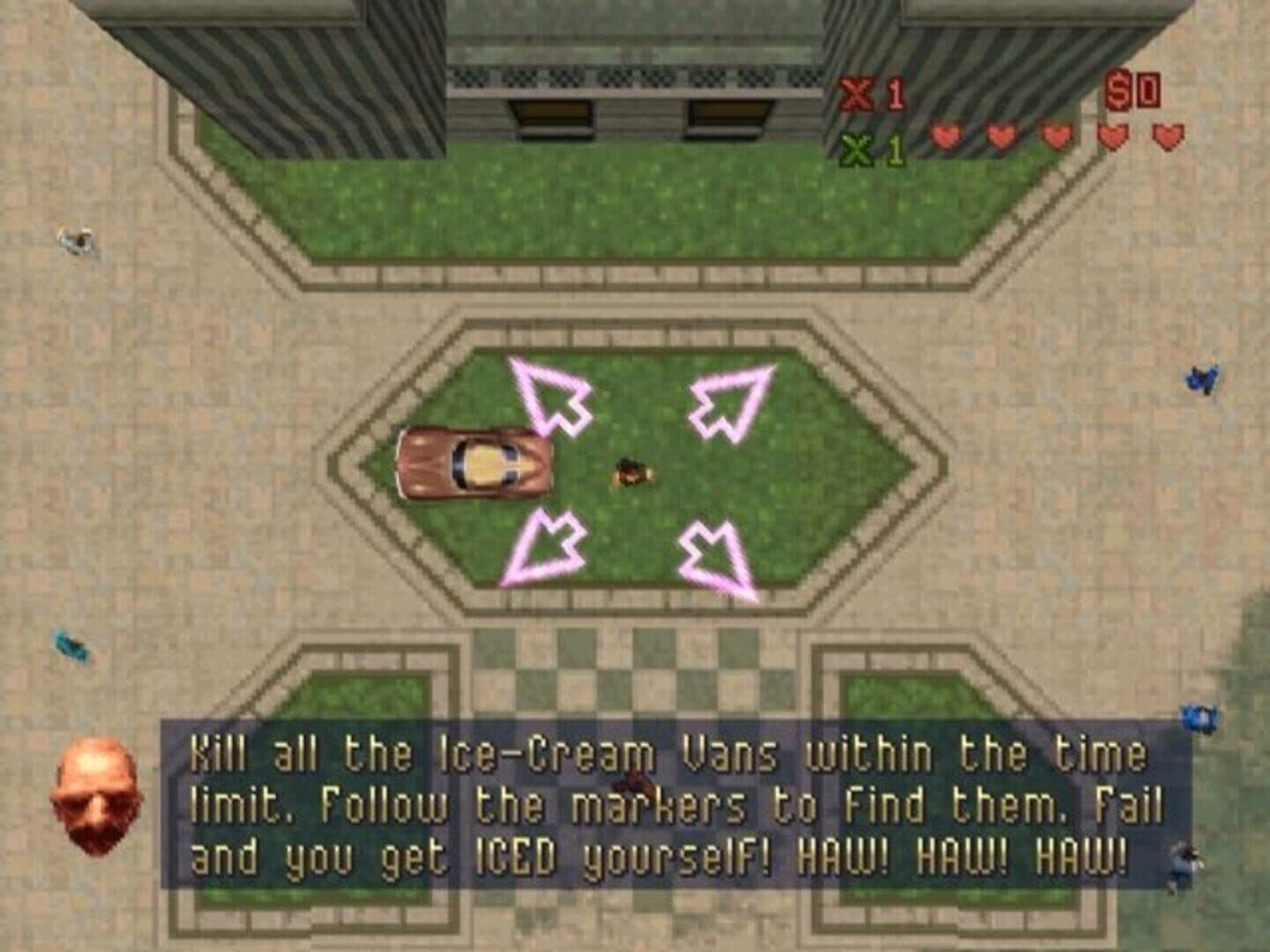
A modder has equipped Grand Theft Auto 2, released in 1999 on PC and PlayStation, with unprecedented path tracing lighting, spotted by Gamekult's retro column "Gravure." The game still runs on its original overhead-view engine, but its streets now bathed in dynamic reflections and real-time recalculated shadows radically change how the game looks. The timing is telling: with GTA 6's release just months away, Rockstar is about to monopolize every headline, and this mod serves as a quiet, almost anachronistic counterpoint.
Dynamic Lighting Grafted Onto a 1999 Engine
Technically, this falls squarely into a well-established lineage: unofficial remasters powered by Nvidia's RTX technology, already used for Portal with RTX (2022, Nvidia and Orbifold Studios) and the ongoing Half-Life 2 RTX project, driven by the same studio. The principle is straightforward: inject path-traced rendering into an aging engine without touching gameplay or game structure. On GTA 2, this translates to neon signs that actually illuminate sidewalks, car headlights casting moving shadows, and a far denser nighttime atmosphere than the original. The game's core remains untouched: rival gang missions, scripted urban riots, frozen isometric perspective. The contrast between the game's bones—still as lean and brutal as 1999—and its ultra-modern lighting treatment is what makes this exercise interesting rather than gimmicky.
A Rediscovery Driven by Rockstar's Calendar
It would be naive to think this resurgence of interest in GTA 2 stems purely from technical prowess. The timing is anything but neutral: GTA 6's approach is pushing parts of the community to "brush up on their roots," as Gamekult put it, by revisiting foundational entries in the franchise. GTA 2 holds a peculiar place in that genealogy: it's the last installment entirely developed by DMA Design before GTA III's 3D shift in 2001, and the last to retain the arcade DNA of the first two games. Its return to the spotlight owes less to its intrinsic qualities than to its position as a missing link in a franchise about to experience its biggest launch ever. It's a classic mechanism: anticipation for a blockbuster artificially rekindles interest in its past, not the other way around.
Passionate Work Without Official Safety Net
One structural limitation remains that these projects never fully solve: nothing guarantees permanence. A mod created by one or multiple volunteers, with no backing from Rockstar or Take-Two, can vanish overnight, become incompatible with a system update, or simply be abandoned due to lack of time. Unlike an official remaster, there's no maintenance obligation, no customer support, no long-term compatibility guarantee. GTA 2 never received a proper reissue from Rockstar, unlike the 3D trilogy remastered in 2021 under chaotic circumstances: this mod fills a void the publisher never deemed a priority. In other words, preserving an entire chapter of the franchise's history now rests on a third party's goodwill, not on a heritage policy embraced by the studio that owns the rights.
This mod changes nothing about the wait for GTA 6, but it reveals a dynamic Rockstar maintains without ever formalizing: leaving its community to maintain the memory of its own games. As long as the publisher offers no genuine preservation policy for its early titles, isolated initiatives like this one will keep doing the work instead, precarious as that arrangement is.
In brief
A community mod adds path tracing to Grand Theft Auto 2, released in 1999, just months before GTA 6 arrives. Spotted by Gamekult's retro column "Gravure," this project revives interest in a largely forgotten Rockstar episode while raising questions about the fragility of gaming heritage left in the hands of volunteers.