Koudelka at 26: The Gothic JRPG Sabotaged by Its Own Combat
Released in 1999 on PlayStation, Koudelka remains one of the most singular JRPGs of its generation: dense gothic atmosphere, mature storytelling, and a combat system that sank the game before it could find its audience. Twenty-six years later, Sacnoth's title has never been properly rehabilitated—and that's no accident. It's not a simple injustice either.
Topic
News
Reading
3 min read
Updated
Monday, June 29, 2026
Key points
- 1Released in 1999 on PlayStation, Koudelka remains one of the most singular JRPGs of its generation: dense gothic atmosphere, mature storytelling, and a combat system that sank the game before it could find its audience.
- 2Twenty-six years later, Sacnoth's title has never been properly rehabilitated—and that's no accident.
- 3Koudelka launched in October 1999 on PlayStation, developed by Sacnoth—a studio founded by Square veterans—and published by SNK.
Lumnix angle
We isolate the useful facts first, then keep the analysis focused on what changes for players.
Koudelka launched in October 1999 on PlayStation, developed by Sacnoth—a studio founded by Square veterans—and published by SNK. The game didn't perform commercially. Twenty-six years later, it survives in memory not as a forgotten classic, but as a cautionary tale: a title that carried something rare, and that undermined itself at every turn.
A Gothic Setting All Its Own
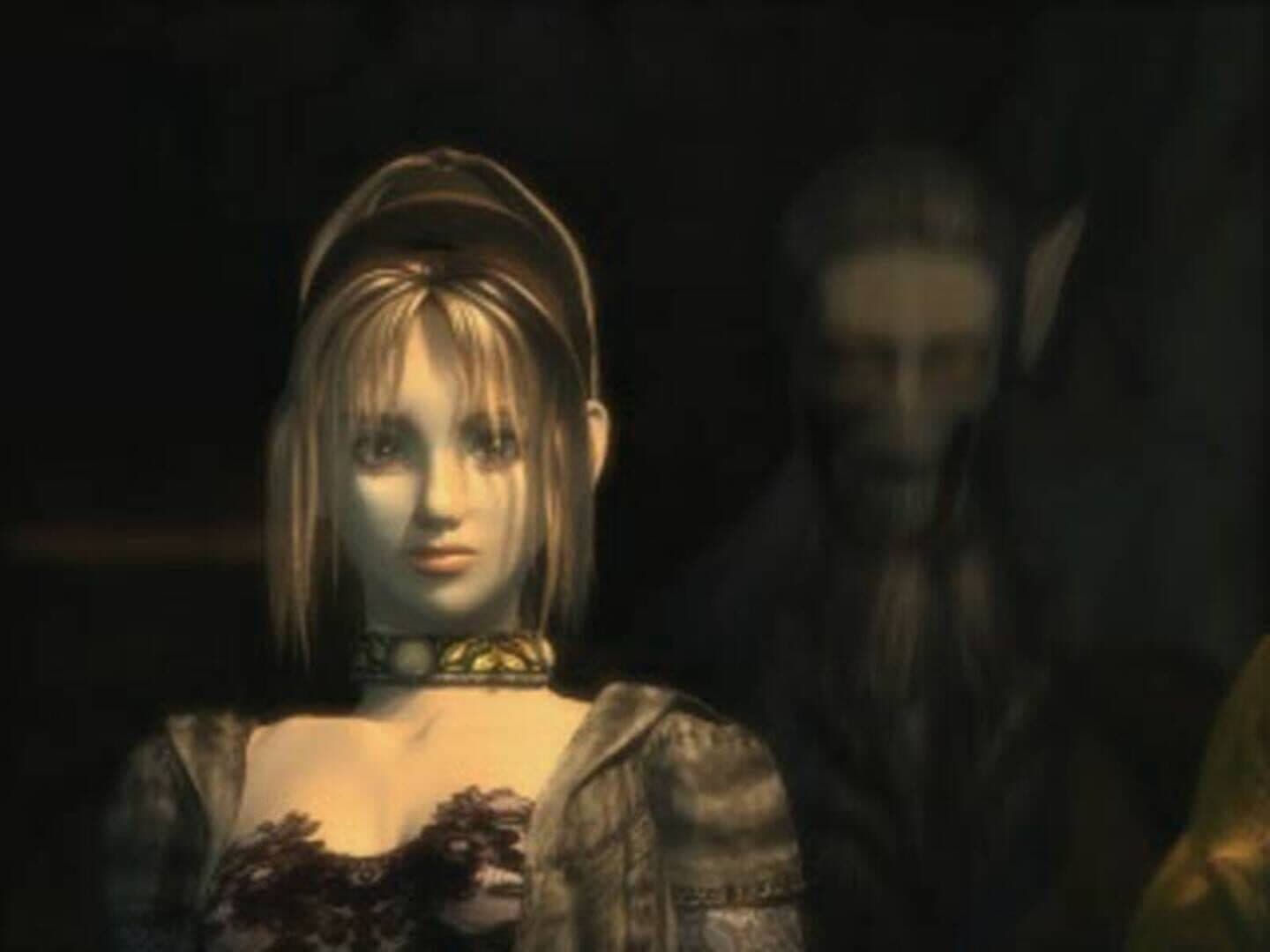
Set in a Welsh manor house at the end of the nineteenth century, Koudelka constructs an atmosphere that very few JRPGs of its era dared attempt. Where Final Fantasy VIII (Square, 1999) leaned into epic fantasy and Vagrant Story (Square, 2000) favored medieval narrative density, Koudelka chose European gothic horror—shadowed corridors and dialogue tinged with disenchantment. The game had a tone—grave, almost literary—that cut radically against genre conventions.
The main characters, Koudelka foremost among them, aren't heroes. They're broken people converging on a cursed location. The pre-rendered cinematic presentation, standard technique for the era, delivered narrative clarity that many contemporaries lacked. On the substance, the game still holds.
The Combat System: A Choice That Broke Everything
This is where Koudelka shoots itself in the foot. To distinguish itself from turn-based JRPGs, Sacnoth implemented a grid-based tactical system—characters move through space, attack angles matter, status effects stack. On paper, the idea isn't absurd. In practice, it's laborious, sluggish, and repetitive to a degree that wears you down before the midpoint.
The problem isn't difficulty alone—which can be raised or lowered—it's pacing. Every random encounter becomes friction. The carefully constructed atmosphere built through exploration and dialogue collapses the moment combat triggers. This narrative-gameplay dissonance also plagued Koudelka's spiritual cousin, Shadow Hearts (Sacnoth/Nautilus, 2001), which corrected precisely this flaw by introducing the Judgment Ring system—a simple yet engaging mechanic that made combat feel alive.
Koudelka never got that correction. The studio learned from its mistakes for what came next, but the original game remains trapped by its own poorly calibrated ambitions.
Why Commercial Failure Doesn't Tell the Whole Story
Calling Koudelka a "commercial failure haunted by regrets"—a formulation that circulates in retrospectives—misses the mark. The game also suffered from muddled editorial positioning: too slow for action enthusiasts, too distant from JRPG conventions for formula purists, too niche for SNK, which lacked the marketing infrastructure of a Square or Enix.
The 1999 PlayStation was fertile ground for experimentation though. Parasite Eve (Square, 1998) had proven a JRPG could flirt with horror and find an audience. Koudelka had the same potential, perhaps even more cohesive atmosphere, but none of the gameplay accessibility that made Parasite Eve approachable.
Result: a game that captivated a handful of players and left the rest behind. That's not solely the market's fault.
Twenty-Six Years Later, What Remains?
Koudelka isn't available on current digital storefronts. No ports, no remasters, no digital re-release. Playing it in 2026 requires original hardware or emulation. This editorial silence speaks volumes: neither Square Enix (which inherited part of Sacnoth's legacy through acquisitions) nor any independent publisher deemed the title commercially viable enough for resurrection.
That's probably the right call. Koudelka as-is wouldn't pass modern accessibility filters. Its flaws aren't patchable. A remaster touching the combat system would rebuild the game from its foundations—and whoever attempted it would have to own making something other than Koudelka.
What endures is a fragmented work: a strong opening hour, an atmosphere few JRPGs have matched, and a gameplay system that betrays that promise the moment play begins. Not a misunderstood masterpiece. A brilliant prototype that never came together—and whose real legacy is Shadow Hearts, not Koudelka itself.
In brief
Released in 1999 on PlayStation, Koudelka remains one of the most singular JRPGs of its generation: dense gothic atmosphere, mature storytelling, and a combat system that sank the game before it could find its audience. Twenty-six years later, Sacnoth's title has never been properly rehabilitated—and that's no accident. It's not a simple injustice either.