Ocarina of Time Remake Test: A Bold Visual Gamble Pays Off
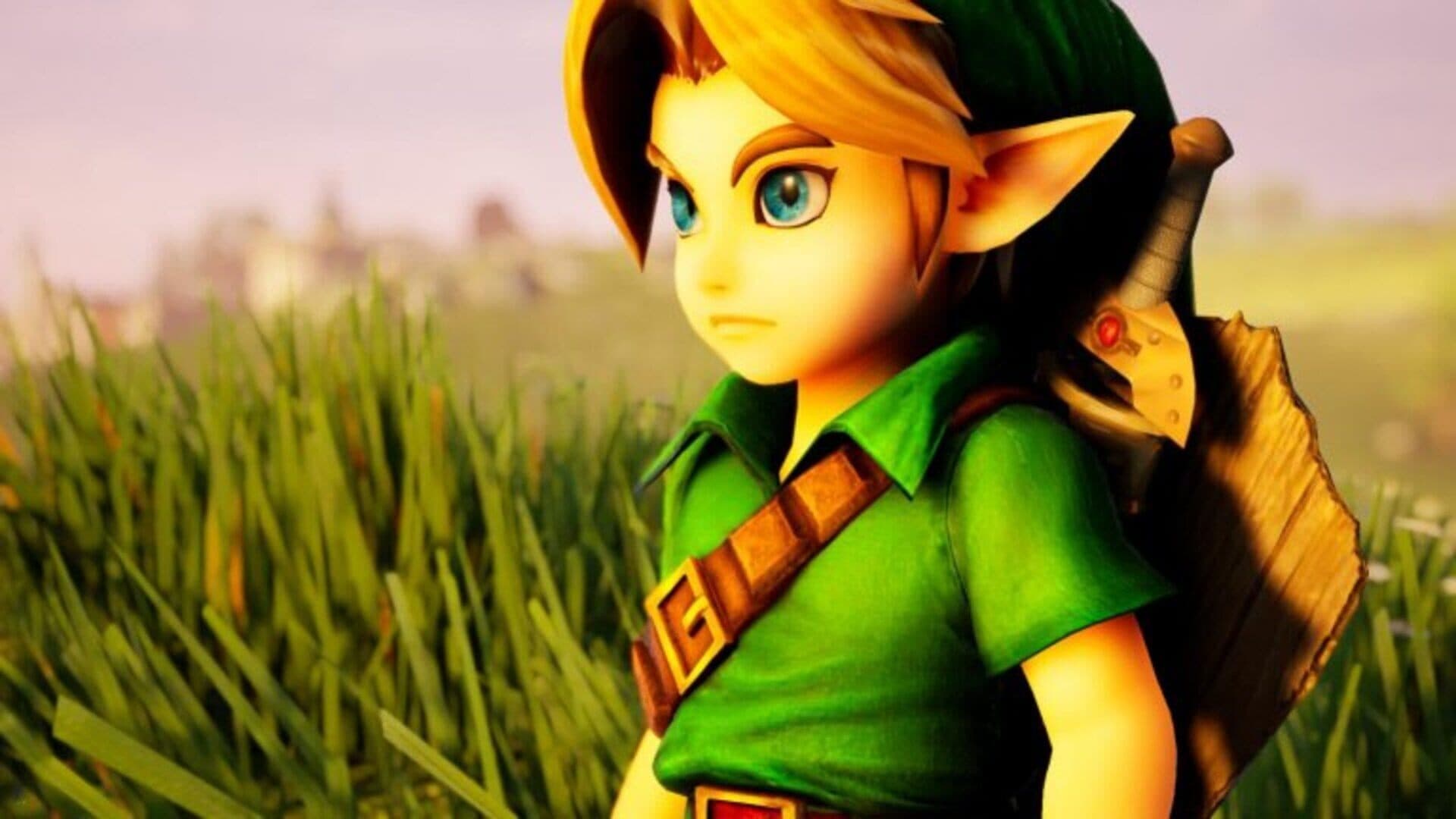
Released in April 2026 following an announcement that divided players over its artistic direction, The Legend of Zelda: Ocarina of Time remake arrives today for review. The verdict sheds light on a larger question: how far can Nintendo push its masterpieces without losing what made them special?
Topic
News
Reading
3 min read
Updated
Wednesday, November 4, 2026
Key points
- 1Released in April 2026 following an announcement that divided players over its artistic direction, The Legend of Zelda: Ocarina of Time remake arrives today for review.
- 2The verdict sheds light on a larger question: how far can Nintendo push its masterpieces without losing what made them special?
- 3Gamekult's review of the The Legend of Zelda: Ocarina of Time remake, which shipped in April 2026, settles a debate that erupted months earlier.
Lumnix angle
We isolate the useful facts first, then keep the analysis focused on what changes for players.
Gamekult's review of the The Legend of Zelda: Ocarina of Time remake, which shipped in April 2026, settles a debate that erupted months earlier. When revealed, the game's new artistic direction sparked nearly universal rejection from players familiar with the 1998 Nintendo 64 version. Seven months after launch, the outlet's verdict runs counter to that initial skepticism: the end credits roll on a game that ultimately convinced, despite its contested starting point.
This gap between announcement reception and final judgment isn't mere promotional noise. It raises questions about how Nintendo manages its N64 remakes at a moment when the company is multiplying these operations across its most sacred catalog.
A Remake That Echoes Star Fox 64's Playbook
Ocarina of Time isn't an isolated case. Earlier this year, Nintendo already released a Star Fox 64 remake, retitled Lylat Wars in some territories, featuring comparable graphical overhaul in scope. The formula now seems locked in: take a foundational N64 title, completely overhaul its models and environments, while keeping the original game structure virtually untouched.
This consistency in method directly affects how players most attached to the originals perceive these releases. Such a marked artistic shift on a game as scrutinized as Ocarina of Time couldn't pass unnoticed. The Star Fox 64 precedent failed to defuse controversy: each new remake reignites the same suspicion—that a corporation is retouching collective memories without clear mandate from the players who lived through them.
The Score Stays the Same, Everything Else Changes
Gamekult's review title sums up the project's central tension: the game propels players forward visually, yet keeps the same musical score as the original composed by Koji Kondo. This choice carries weight. Ocarina of Time's soundtrack ranks among the license's most identifiable elements, as much as the Water Temple's level design or the structure of seven elemental dungeons.
By preserving this musical foundation while overhauling the visuals, Nintendo strikes a compromise that partly explains the perception shift Gamekult observed. Players fearing total reinvention find an immediate sonic anchor, while the artistic direction—deemed jarring in screenshots—gains full resonance once controller in hand and within the context of actual gameplay. This disconnect between still images and lived experience is a structural limit of all remake communication: a screenshot never captures the atmosphere of a zone traversed in real time.
The risk remains entirely intact for what comes next. Should Nintendo apply the same framework to Majora's Mask or other unannounced N64 titles, the company faces the same cycle: massive rejection at reveal, more measured verdicts at launch. This pattern works so long as the final game holds its own against the original on substance, not just presentation.
The difficulty also stems from the time gap between the two audiences involved. Players from 1998 judge the remake against a personal memory hard to surpass, while a new generation discovers the game without that nostalgic filter. A positive review like Gamekult's reassures us of the product's intrinsic quality, but says nothing about how these two audiences will continue to coexist around the same reinterpreted work.
A Compromise That Works, Not an Infallible Method
This remake proves that a contested artistic direction at announcement can be salvaged by strong execution, provided the elements that made the original's reputation don't get sacrificed. Musical fidelity served as a safety net here against a risky visual overhaul. But this outcome doesn't guarantee success for future N64 remakes Nintendo might announce: each game carries its own sensitive touchstones, and not all rely as heavily on their soundtrack as Ocarina of Time does.
In brief
Released in April 2026 following an announcement that divided players over its artistic direction, The Legend of Zelda: Ocarina of Time remake arrives today for review. The verdict sheds light on a larger question: how far can Nintendo push its masterpieces without losing what made them special?