#Nintendo
17 article(s)
97 Super Mario Bros NES Cartridges Found in Attic Shake Up Collector Market
A forgotten box from over thirty years ago yielded 97 near-mint Super Mario Bros NES cartridges, according to Nintendo Wire. Beyond the headline, this discovery reignites questions about the real value of rare cartridges in a collector market already saturated with speculative record sales.
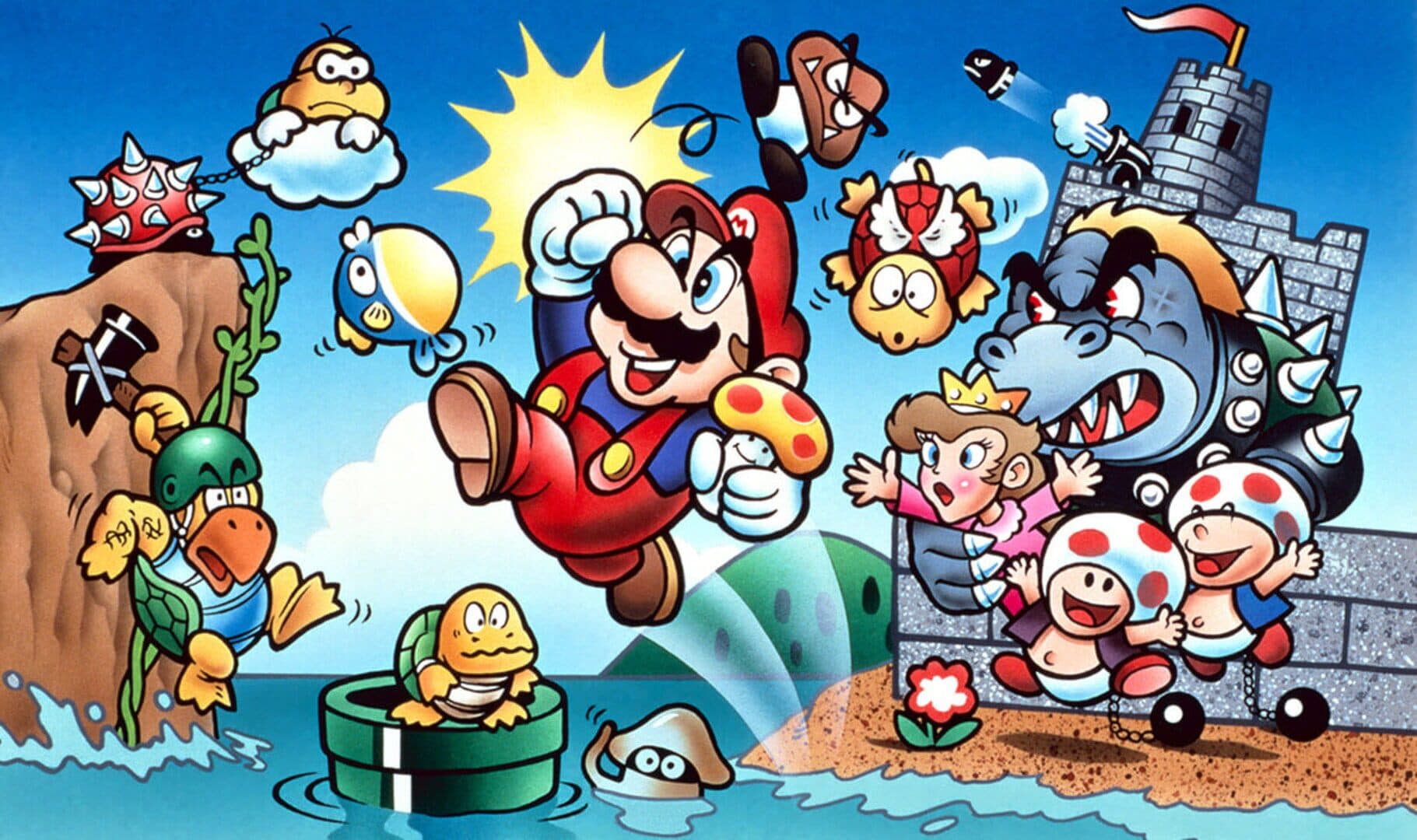
97 Unreleased Super Mario Bros. Cartridges Found in Attic
Nintendo Wire has acquired a cache of 97 cartridges from an unknown edition of Super Mario Bros., discovered in a box in perfect condition. For the most documented game in video game history, this find upends collectors and underscores that physical archives still harbor untold mysteries. What this batch reveals about the edition in question demands closer inspection.
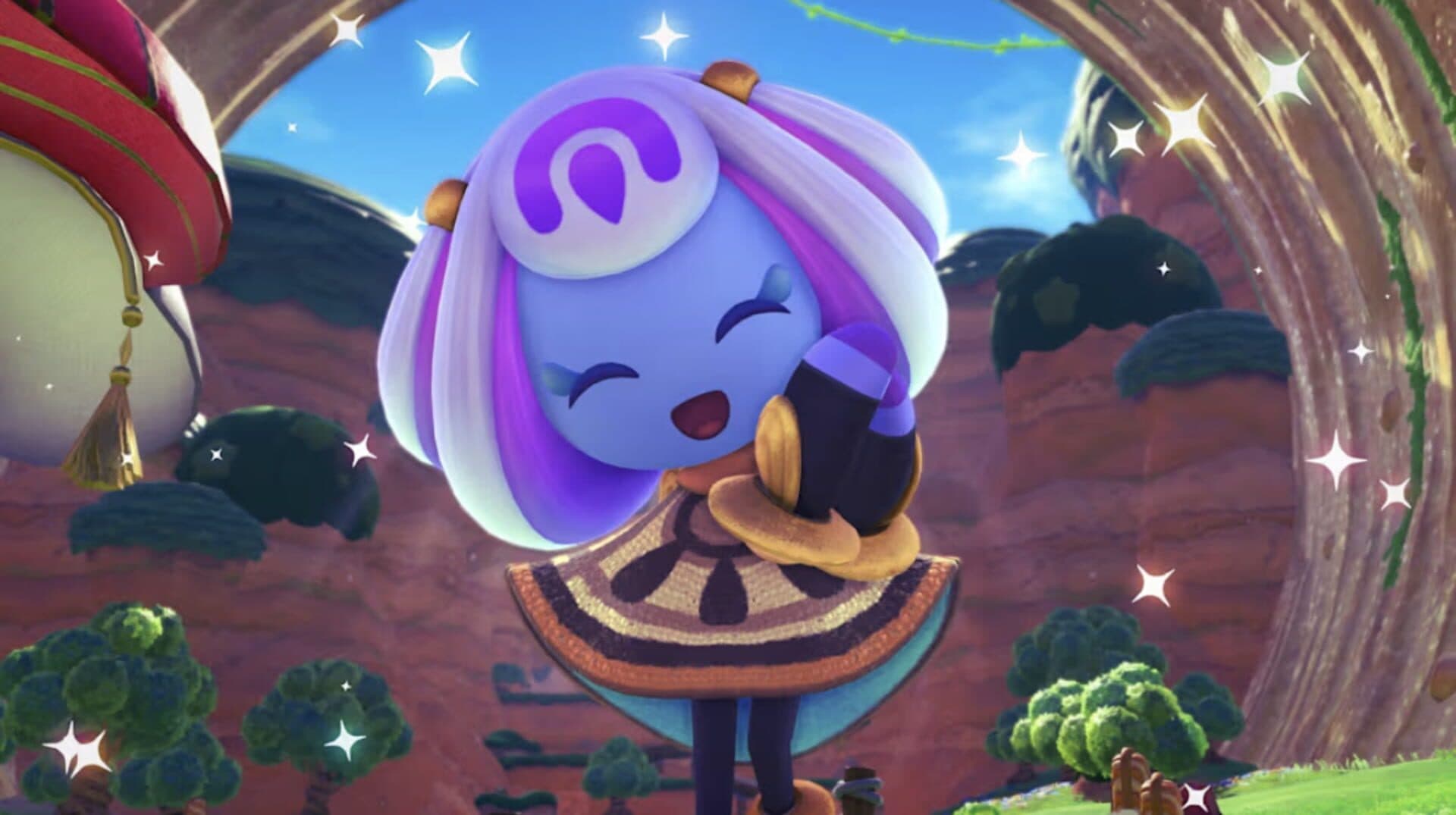
Kirby and the World Beyond: Nintendo Finally Opens the World
Kirby and the World Beyond is the first game in the franchise to venture into open world territory. Nintendo unveiled the title during a Nintendo Direct, and the format shift is radical: no more linear levels, a visibly increased budget, and spectacular ambition that breaks from everything the series has offered for thirty years. The question isn't whether it looks good — it does. It's whether Kirby can sustain itself in an unbounded space.

Switch 2 at $500: Nintendo Owns the Price Hike, Players Search for Deals
Since September 1st, 2026, the Switch 2 officially retails for $499.99 at Nintendo. This symbolic threshold reshuffles the deck for retailers. Some are still cutting prices to clear inventory, but for how long? This price point isn't trivial: it positions Nintendo's console in the same tier as Sony and Microsoft machines. Players who've been waiting now face a quick decision.
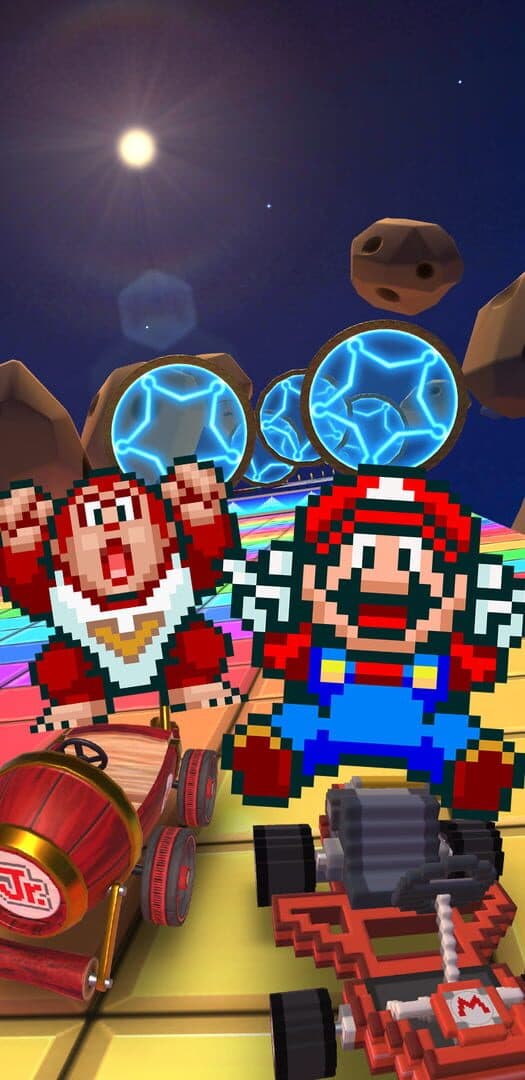
Super Mario Kart at 34: What the SNES Actually Invented
On September 1, 1992, Super Mario Kart launched in North America on Super Nintendo. Thirty-four years later, the question isn't whether the game has aged, but what it actually created: an entire genre, a social ritual, and a formula Nintendo still exploits today—to the point of erasing its original radicalism. What the first entry carried, its successors haven't all preserved.

The Witcher 3 on Switch 2: Free Upgrade Includes Physical Copies
CD Projekt Red has cleared up ambiguity for owners of The Witcher 3's physical version on Nintendo Switch: upgrading to the Switch 2 version will be free, regardless of purchase format. A confirmation that stands in sharp contrast to industry norms and signals something about the Polish studio's commercial stance as Nintendo's new console launches.
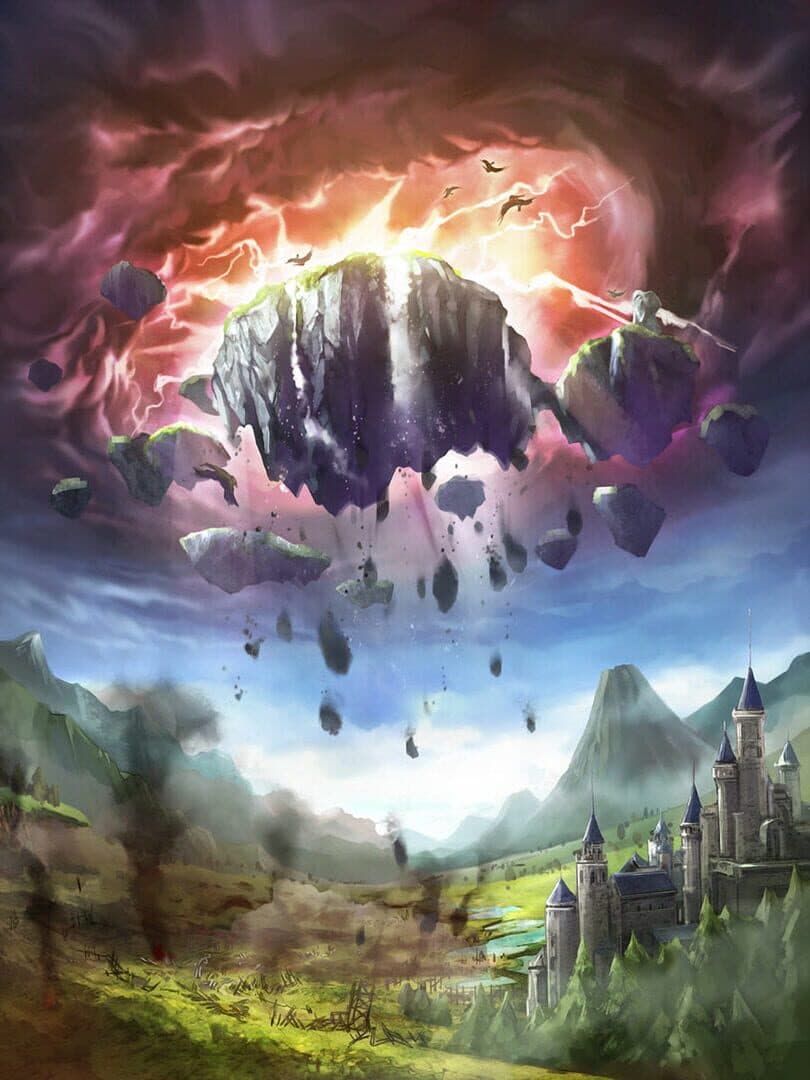
Hyrule Warriors at 12: The Spin-Off That Justified a Console
Twelve years after its Japanese Wii U debut, Hyrule Warriors remains one of Nintendo's boldest gambles: handing Zelda to Omega Force, masters of the Dynasty Warriors formula, to create a spin-off that had no business working—yet somehow nailed it. An anniversary that underscores how much the Wii U deserved better than its commercial fate.
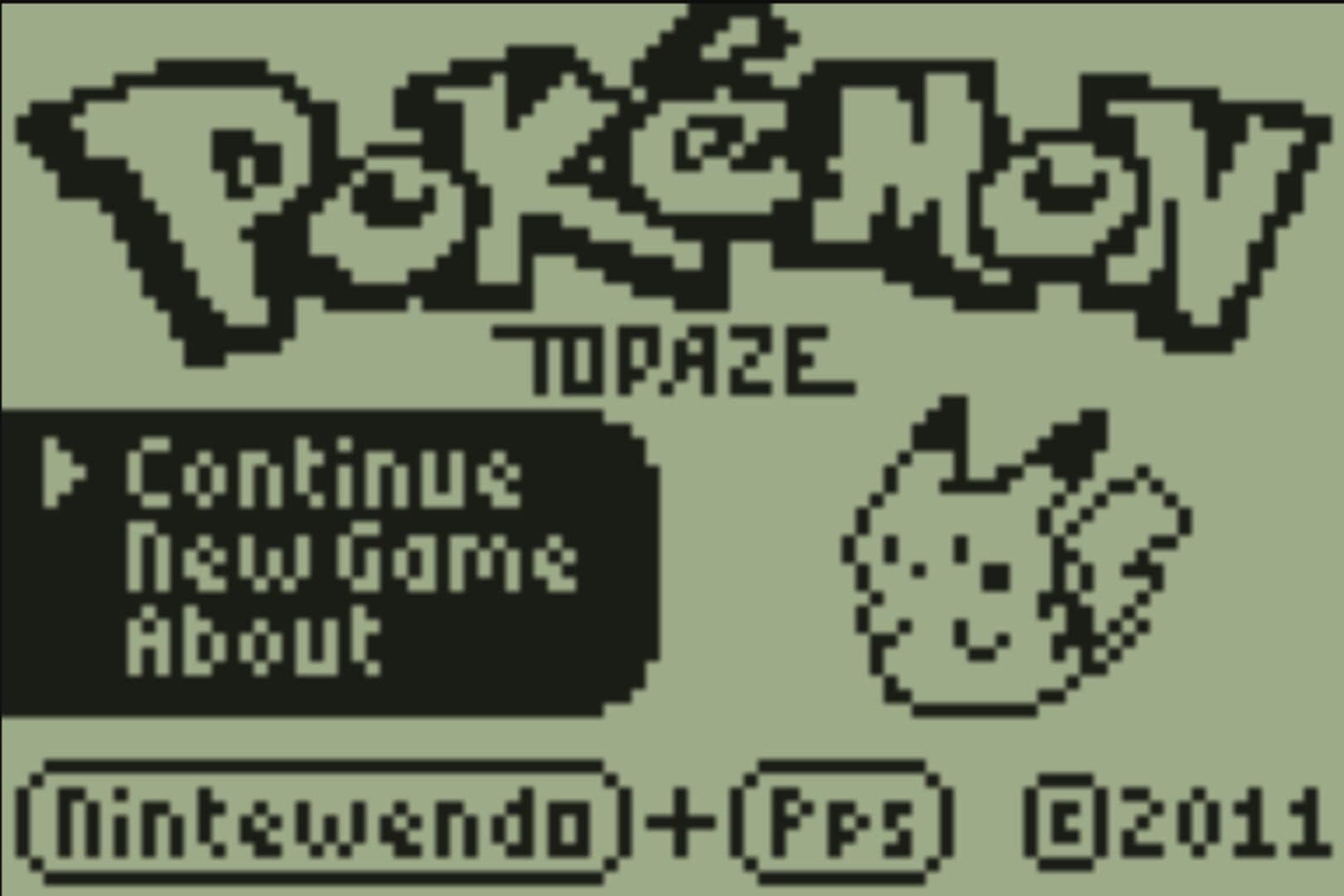
A 2013 Pokémon 3D Video Embarrasses Nintendo at Patent Office
In May 2013, a content creator published a homemade Pokémon 3D demo without knowing it would become evidence against Nintendo thirteen years later. The video has resurfaced before Japan's patent office to challenge the publisher's exclusivity claims. This case illustrates a legal reality the gaming industry underestimates: on patents, prior art can emerge from anywhere, including amateur YouTube channels.
Mario Kart Wii Recompiled in 4K: The PC Port That Changes Everything
An unofficial native port of Mario Kart Wii now runs on PC in 4K, the result of decompiling the original source code. This isn't traditional emulation: the game runs as a native executable, opening real possibilities for performance, visual fidelity, and the longevity of this Wii title. The technical difference is significant, and it raises a question Nintendo prefers to ignore: who actually preserves gaming heritage?
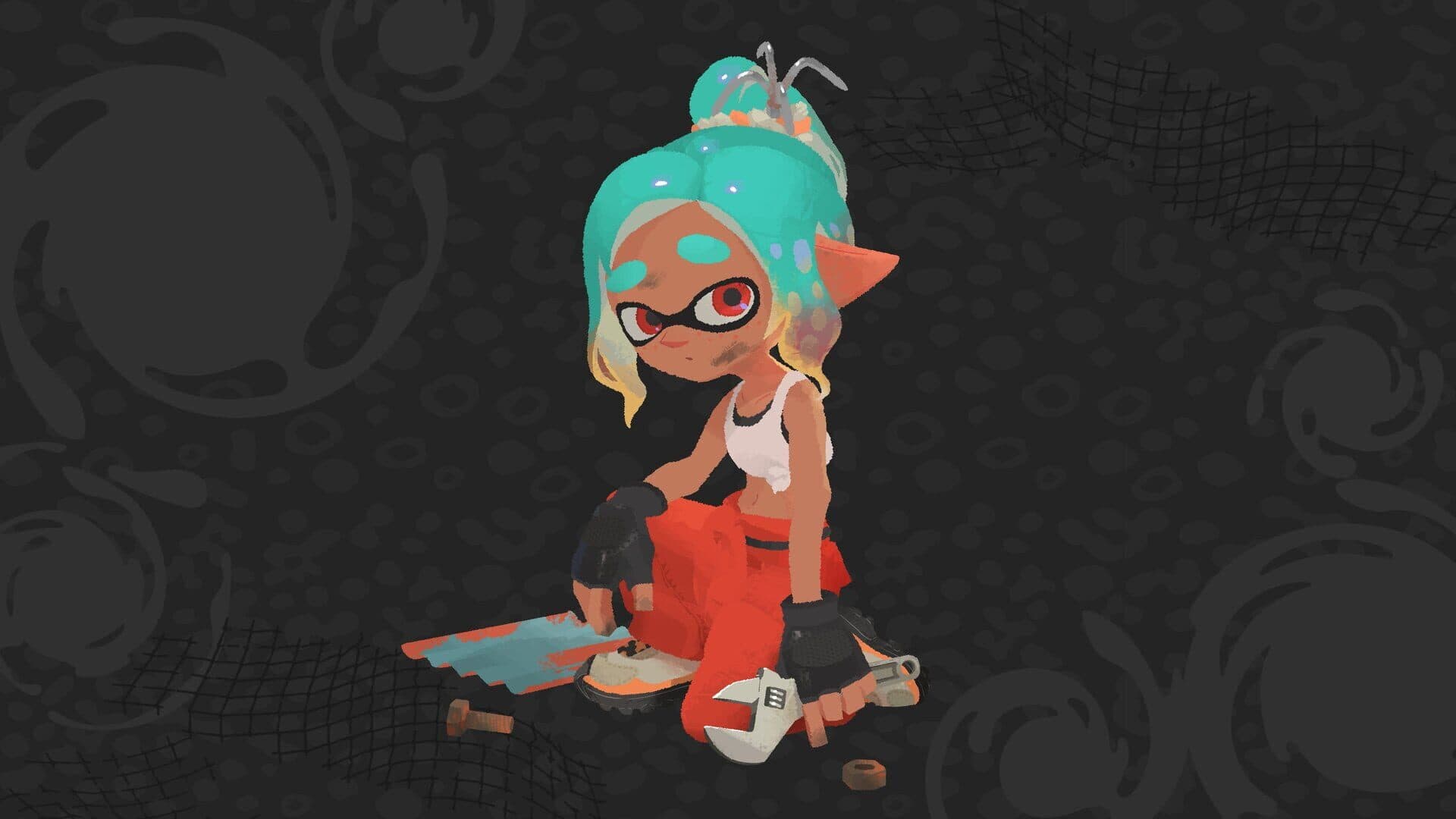
Splatoon Raiders Goes All-In on Solo: Bold Move or Missed Shot?
Splatoon Raiders marks a turning point for Nintendo's ink-based franchise: multiplayer is out, replaced by an exclusively single-player adventure on Switch 2. The series, born in 2015 on Wii U, gradually integrated a story mode—first tentatively through DLC, then more seriously in the Switch entries. But building an entire game around this dimension is a structural gamble that reveals how Nintendo now views its beloved franchise's maturity.
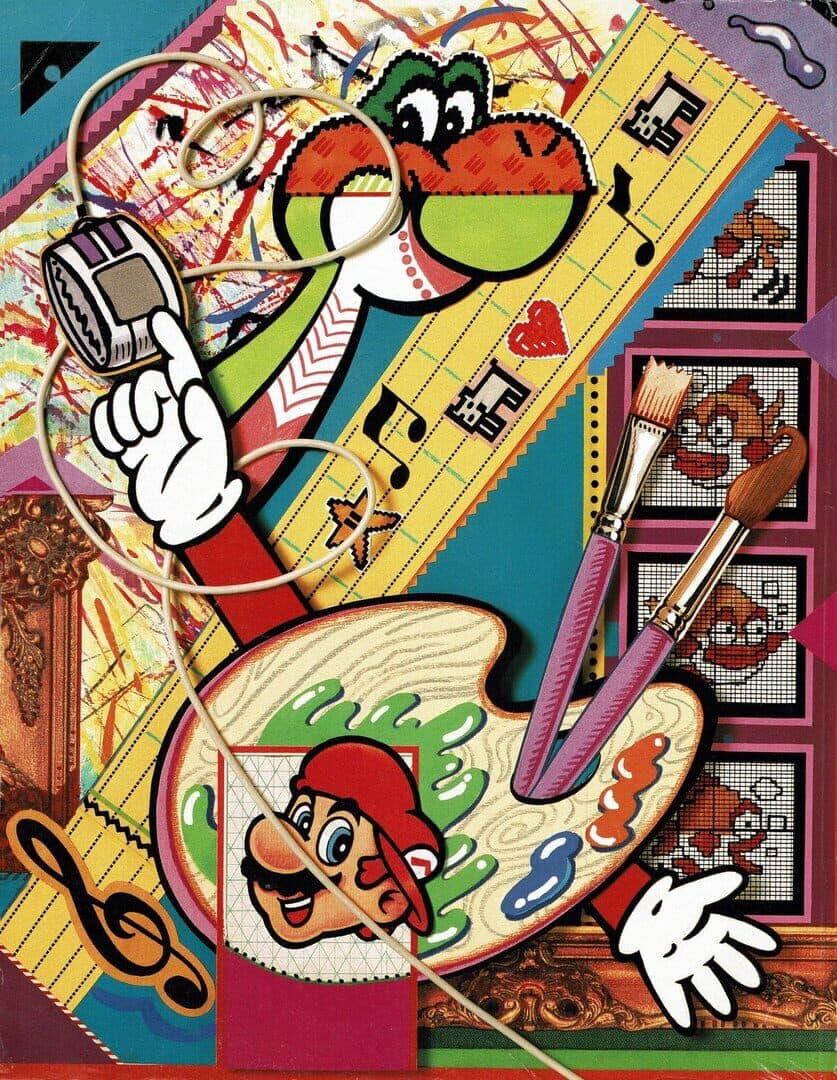
Mario Paint at 34: Nintendo's Hybrid That Blurred the Lines
Released in 1992 on Super Nintendo, Mario Paint wasn't really a game. It was a creation software sold with a mouse, at a time when Nintendo was trying to establish itself in homes as an educational tool as much as an entertainment console. Thirty-four years later, this atypical cartridge remains a textbook example of what a manufacturer can risk when it decides to step outside the boundaries of pure video gaming.
Lego Nintendo: Donkey Kong arcade cabinet coming soon
A new Lego Nintendo set centered on Donkey Kong—specifically an arcade cabinet—is reportedly in development. Six years after Lego and Nintendo's partnership launched, the line is expanding beyond consoles and characters to tap into Kyoto's arcade roots. A choice that reveals much about where this collaboration is headed and Donkey Kong's place in Nintendo's current strategy.