Splatoon Raiders Goes All-In on Solo: Bold Move or Missed Shot?
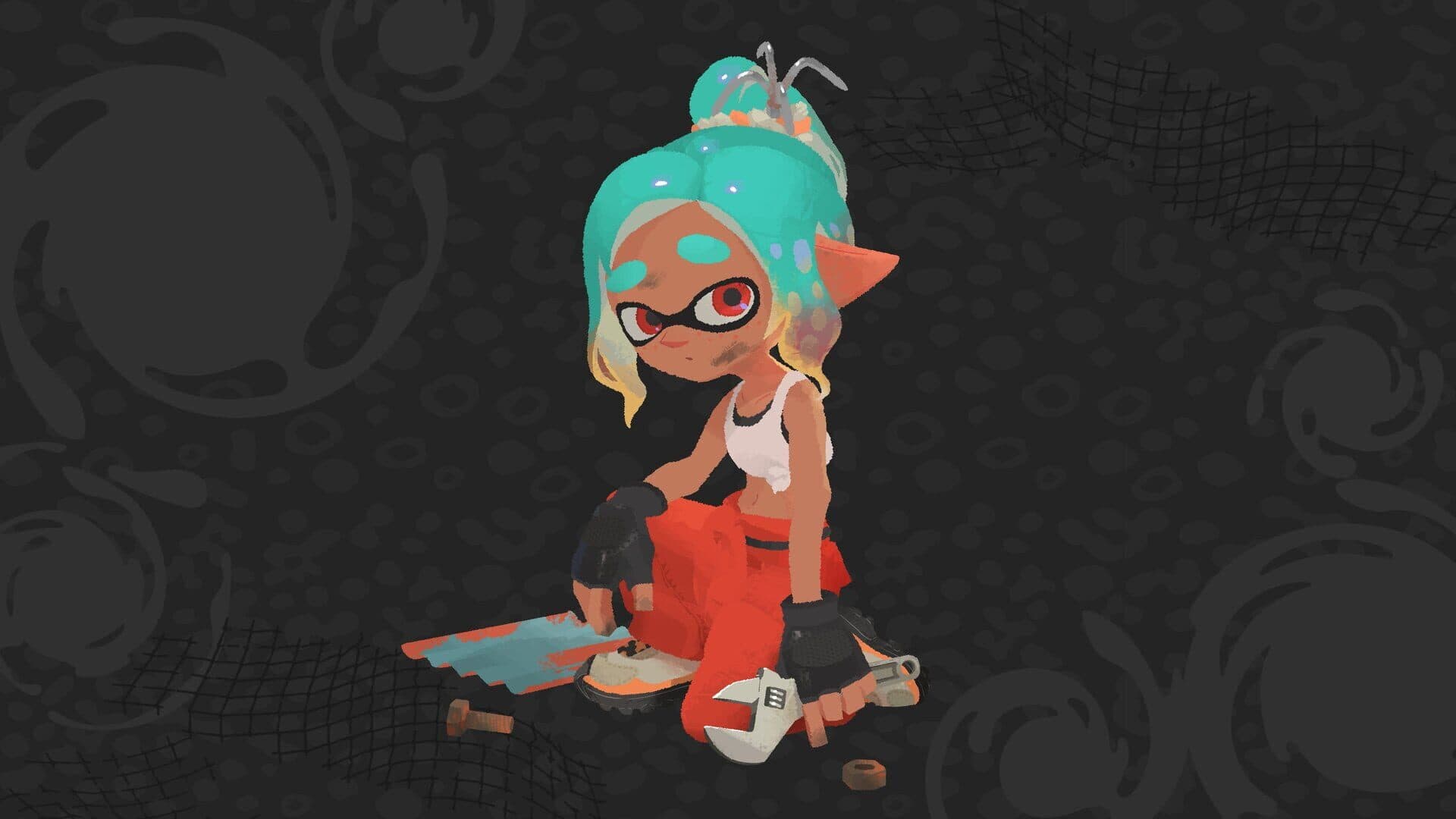
Splatoon Raiders marks a turning point for Nintendo's ink-based franchise: multiplayer is out, replaced by an exclusively single-player adventure on Switch 2. The series, born in 2015 on Wii U, gradually integrated a story mode—first tentatively through DLC, then more seriously in the Switch entries. But building an entire game around this dimension is a structural gamble that reveals how Nintendo now views its beloved franchise's maturity.
Topic
News
Reading
4 min read
Updated
Tuesday, July 21, 2026
Key points
- 1Splatoon Raiders marks a turning point for Nintendo's ink-based franchise: multiplayer is out, replaced by an exclusively single-player adventure on Switch 2.
- 2The series, born in 2015 on Wii U, gradually integrated a story mode—first tentatively through DLC, then more seriously in the Switch entries.
- 3But building an entire game around this dimension is a structural gamble that reveals how Nintendo now views its beloved franchise's maturity.
Lumnix angle
We isolate the useful facts first, then keep the analysis focused on what changes for players.
Splatoon Raiders is available on Switch 2 and represents a radical departure from the franchise's DNA: for the first time, Nintendo has delivered an episode entirely focused on single-player, with no multiplayer mode at launch. It's a design choice that demands serious scrutiny, because it speaks volumes about both the state of the license and its publisher's ambitions.
Eleven Years of Ink, a Late Pivot Toward Solo
The franchise kicked off in 2015 on Wii U, a console Nintendo itself struggled to defend for years. The original Splatoon was almost exclusively multiplayer, with solo content trimmed to bare essentials—a handful of levels to learn the Splat Shooter, nothing more. The two Switch entries gradually filled that void: Splatoon 2 introduced a substantial story mode, followed by a solo DLC called Octo Expansion that resonated far beyond the core audience thanks to its uncompromising difficulty and darker tone. Splatoon 3 extended this trajectory with an Alterna mode that, while not revolutionary, confirmed Nintendo was now treating this segment seriously.
Splatoon Raiders is therefore the logical endpoint of this evolution, but taken to an extreme: by removing multiplayer entirely, Nintendo is betting that the solo proposition can stand alone, without the safety net of online matches to keep players engaged.
What This Choice Actually Means for Players
For series veterans who came primarily for Turf War showdowns or competitive ranked matches, the message is unmistakable: Splatoon Raiders isn't designed for them, at least not in its current form. This is an episode that deliberately targets a different audience—those who wanted to explore the Inkling universe without the pressure of online competition, or newcomers discovering the franchise on Switch 2.
The risk cuts both ways. On one hand, multiplayer purists may dismiss this as a detour that doesn't represent "real" Splatoon. On the other, a more casual or younger audience could find in Raiders an ideal entry point into a series long perceived as dominated by online competition. Nintendo is betting on broadening its base here, not on retaining its historical core.
The Real Question: Can Solo Gameplay Sustain a Full Game?
Octo Expansion worked partly because it was short, dense, and made no pretense of being anything other than an ambitious DLC. Building a complete game on that same logic exposes potential weaknesses in the movement and shooting gameplay when there's no human opposition. AI enemies have always been the weak link in the franchise's solo entries, designed more as narrative obstacles than genuine tactical challenges.
If Splatoon Raiders compensates for this limitation through level design, situational variety, and writing that matches the franchise's signature polish, the gamble pays off. Otherwise, it risks being shelved as an honorable spin-off without substance—exactly what the series doesn't need on a new platform still establishing its catalog.
What makes Splatoon Raiders editorially interesting isn't so much its inherent quality as what it represents for Nintendo: a willingness to prevent a franchise from being locked into a single gameplay mode, even at the cost of structural risk. This mirrors Luigi's Mansion 3 in 2019, which successfully turned a supporting character into the lead of a standalone, coherent game, or Arms in 2017—with less commercial success, admittedly, but the same boldness in extracting a gameplay element into its own product.
Splatoon Raiders isn't a reckless bet. The series has proven its universe can carry more than multiplayer. The question isn't whether Nintendo had the right to attempt this pivot—it clearly did—but whether the execution matches the stated ambition. Early critical response suggests a partial success, which for a first entirely solo episode in a historically multiplayer franchise already constitutes a meaningful result.
In brief
Splatoon Raiders marks a turning point for Nintendo's ink-based franchise: multiplayer is out, replaced by an exclusively single-player adventure on Switch 2. The series, born in 2015 on Wii U, gradually integrated a story mode—first tentatively through DLC, then more seriously in the Switch entries. But building an entire game around this dimension is a structural gamble that reveals how Nintendo now views its beloved franchise's maturity.