Outlaw Volleyball at 23: When MTV Wanted to Conquer Gaming
Outlaw Volleyball was never a good game. Released in 2003, it nonetheless stands as evidence of a serious attempt to graft MTV culture—underground music, rebellious aesthetics, raw energy—onto mainstream gaming. A forgotten project that reveals something precise about an era when the industry sought to absorb pop culture by force. Twenty-three years later, the exercise in memory is worth revisiting, less for the game itself than for what it exposes.
Topic
News
Reading
3 min read
Updated
Thursday, July 9, 2026
Key points
- 1Released in 2003, it nonetheless stands as evidence of a serious attempt to graft MTV culture—underground music, rebellious aesthetics, raw energy—onto mainstream gaming.
- 2A forgotten project that reveals something precise about an era when the industry sought to absorb pop culture by force.
- 3Twenty-three years later, the exercise in memory is worth revisiting, less for the game itself than for what it exposes.
Lumnix angle
We isolate the useful facts first, then keep the analysis focused on what changes for players.
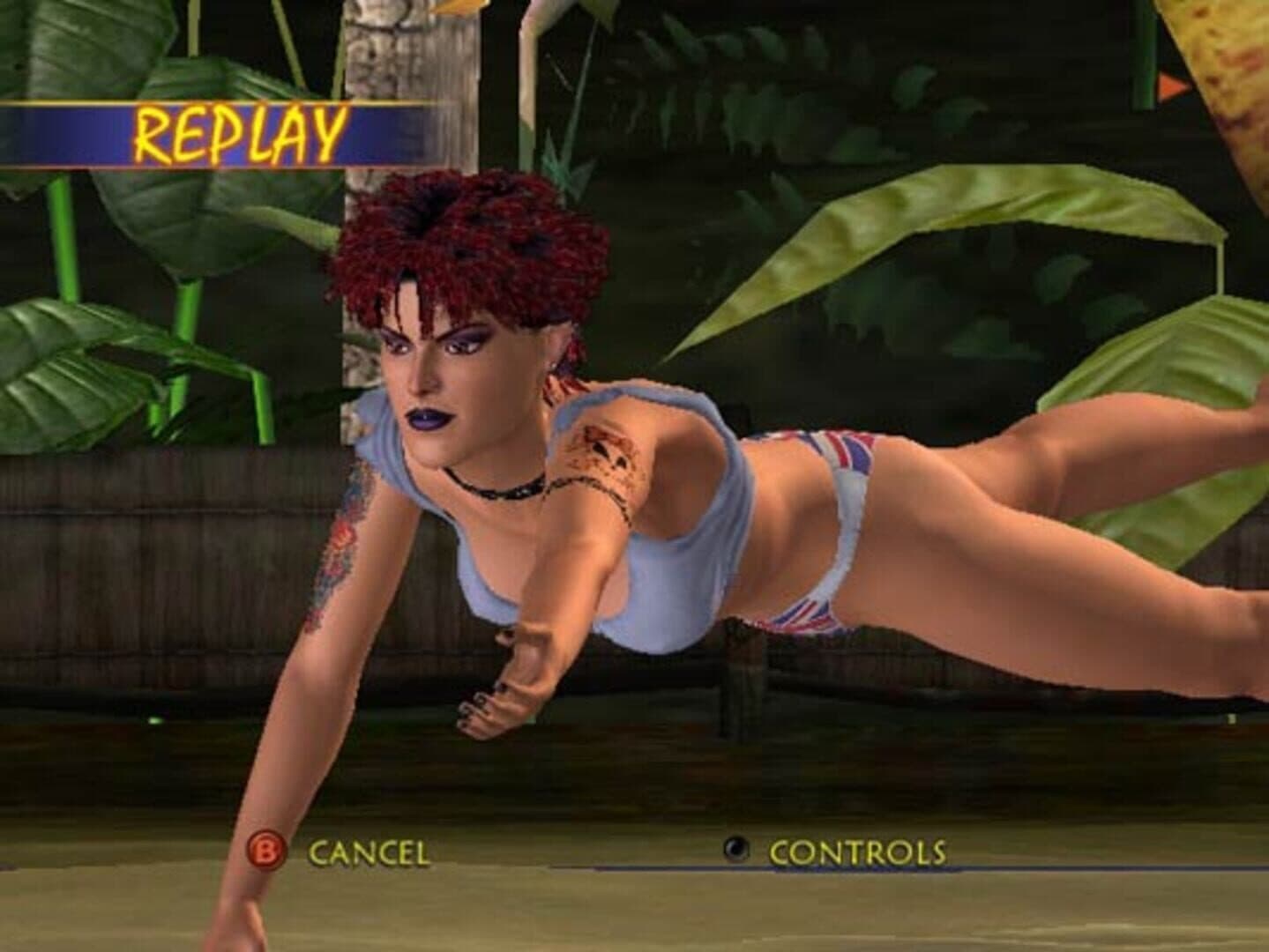
Outlaw Volleyball hit Xbox in 2003, developed by Hypnotix, and no one would remember it existed if not for what it represented rather than what it delivered. A beach volleyball game with cartoonish characters, functional but unremarkable gameplay, and a soundtrack built like an MTV playlist of the era. The game was mediocre. The intention behind it, less harmless than it appeared.
Music Television Wanted Territory in Consoles
In the early 2000s, MTV remained a genuine cultural force: the network dictated aesthetic codes for an entire generation, from alternative rap to California punk to nu-metal. Game publishers eyed this audience with hunger. Outlaw Volleyball fit this logic: deliver a title whose soundtrack and attitude served as a bridge between two mediums.
This wasn't an isolated approach. Tony Hawk's Pro Skater—Neversoft, 1999—had already proven that a carefully curated music selection could turn a niche game into a generational phenomenon. SSX Tricky—EA Canada, 2001—drove the point home with an aesthetic indebted entirely to music videos. Outlaw Volleyball attempted the same alchemy, but lacked the technical prowess to back it up.
Real Convergence, Inadequate Execution
Outlaw Volleyball's problem wasn't its initial ambition—it was the gap between that ambition and the final product. Where Tony Hawk constructed levels that responded to the music, Hypnotix simply layered tracks over featureless volleyball. Convergence between music and gaming demands design coherence, not a soundtrack hastily glued on in post-production.
This separates works that endured from those that sank: Guitar Hero—Harmonix, 2005—or Jet Set Radio—Smilebit, 2000—built their gameplay mechanics around music. Outlaw Volleyball treated it as marketing window dressing. The result was a game that aged before release, because MTV aesthetics faded as quickly as they dominated.
What This Anniversary Forces Us to Confront
Revisiting Outlaw Volleyball twenty-three years later doesn't grant it deserved redemption. It confirms the industry has repeated this error countless times since: dress up a mediocre game in potent culture and hope one compensates for the other. The tactic hasn't vanished—it simply shifted its cultural reference point, moving from MTV to influencers, from music videos to Spotify playlists.
The real question this forgotten title poses concerns a game's durability when built on zeitgeist. A game rooted in a specific moment can become fascinating cultural documentation or vanish with the wave that carried it. Outlaw Volleyball chose the latter without knowing it, lacking a ludic foundation solid enough to survive MTV's cultural decline.
A Useful Fossil
Outlaw Volleyball deserves remembrance, not because it's good, but because it's honest in intention and revealing in its limits. It documents a precise moment when the gaming industry sought to digest televised music culture without understanding its fundamental mechanics. For studios today working on projects with strong cultural identity, it's a textbook case worth studying: culture doesn't rescue a failed game, it exposes it further.
In brief
Outlaw Volleyball was never a good game. Released in 2003, it nonetheless stands as evidence of a serious attempt to graft MTV culture—underground music, rebellious aesthetics, raw energy—onto mainstream gaming. A forgotten project that reveals something precise about an era when the industry sought to absorb pop culture by force. Twenty-three years later, the exercise in memory is worth revisiting, less for the game itself than for what it exposes.