Vandal Hearts II at 27: The Tactical RPG Nobody Wanted to Defend
On July 8, 1999, Konami released Vandal Hearts II on PlayStation, two years after an already demanding first installment. Twenty-seven years later, the game remains an anomaly in the tactical RPG landscape: more brutal, more experimental than Final Fantasy Tactics or Tactics Ogre, yet it has vanished from collective memory. This silence says something about what the industry chooses to celebrate—and what it prefers to forget.
Topic
News
Reading
3 min read
Updated
Wednesday, July 8, 2026
Key points
- 1On July 8, 1999, Konami released Vandal Hearts II on PlayStation, two years after an already demanding first installment.
- 2Twenty-seven years later, the game remains an anomaly in the tactical RPG landscape: more brutal, more experimental than Final Fantasy Tactics or Tactics Ogre, yet it has vanished from collective memory.
- 3This silence says something about what the industry chooses to celebrate—and what it prefers to forget.
Lumnix angle
We isolate the useful facts first, then keep the analysis focused on what changes for players.
On July 8, 1999, Konami released Vandal Hearts II: Heavenly Gate on PlayStation. No fanfare, no re-release, no remake announced since. Twenty-seven years later, the game exists in a blind spot: too well-known to be ignored by genre veterans, too obscure to appear in canonical tactical RPG lists.
This silence is not insignificant. It reveals a real tension in how the genre has been narrated and passed down.
A Combat System That Refused to Please
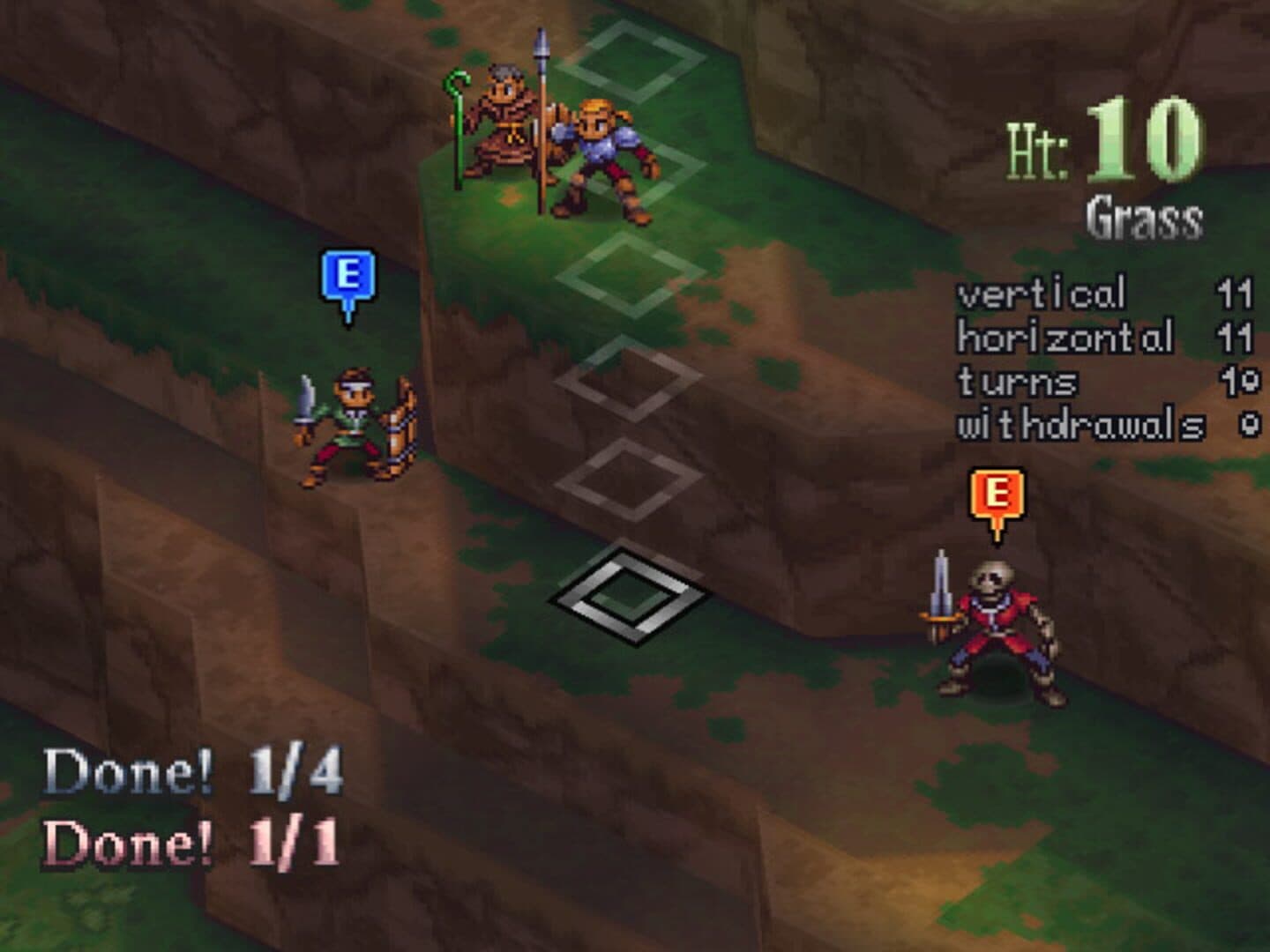
Where Final Fantasy Tactics, released in 1997 by Squaresoft, bet on narrative clarity and a progressive job system, Vandal Hearts II took the opposite approach. Its most radical mechanic: a simultaneous turn system where enemies and allies act at the same time. No comfortable turn-by-turn, no window to breathe between orders. Every decision was potentially fatal before it was even executed.
Tactics Ogre, also from 1995 in its original version and developed by Quest, offered political and narrative depth that few tactical games have matched. But it remained anchored in classical anticipation logic. Vandal Hearts II shattered that logic at its foundation, forcing a probabilistic reading of the battlefield rather than sequential calculation.
This is precisely what marginalized it on release. Western PlayStation audiences wanted complexity, not hostility.
Konami Had Taken a Real Editorial Risk
The first Vandal Hearts, released in 1996, had received a solid enough reception to justify a sequel. But Konami chose not to capitalize on what worked: the sequel didn't carry over characters, fundamentally altered the combat formula, and adopted a darker, less accessible visual tone.
It was a difficult bet to make late in the PlayStation cycle, facing dense competition. In 1999, the tactical RPG genre was experiencing relative saturation on the platform, between Square productions and Atlus imports. Vandal Hearts II had neither the brand recognition of Final Fantasy Tactics nor the militant fanbase that Ogre Battle had gradually built.
The game sold modestly, never got a sequel, and Konami never really revived the license afterward—except for an Xbox Live Arcade episode in 2010, Vandal Hearts: Flames of Judgment, which convinced few and muddled the series' image more than it rehabilitated it.
The problem of canon: what nostalgia chooses to keep. Final Fantasy Tactics benefited from a War of the Lions edition released in 2007 on PSP, then ported to iOS and Android. Tactics Ogre received a full remake in 2022 with Tactics Ogre: Reborn published by Square Enix on PC and consoles. Both games have been actively maintained, re-released, and discussed. They exist in the present as much as the past.
Vandal Hearts II, meanwhile, hasn't moved. No ports, no digital re-release, no compilation. It remains on aging physical media, accessible only through secondhand markets or emulation. This editorial neglect is not neutral: it determines what today's players can or cannot easily discover.
The canonical status of PlayStation tactical RPGs is not merely a reflection of objective game quality. It's also the product of commercial decisions about what deserved preservation.
Twenty-Seven Years Later, the Question Remains Open
Vandal Hearts II is a harsh game, sometimes ungrateful, whose simultaneous system demands a mode of thinking that most tactical RPGs have never required. That's precisely why it deserves to be named, studied, and debated—not as a collector's curiosity, but as a distinct design object in its own right.
An anniversary means nothing if it amounts to selective nostalgia. What's interesting about Vandal Hearts II is what it reveals about the industry's choices between design risk and reassuring formula. Konami took that risk in 1999. Nobody bothered to preserve the result.
In brief
On July 8, 1999, Konami released Vandal Hearts II on PlayStation, two years after an already demanding first installment. Twenty-seven years later, the game remains an anomaly in the tactical RPG landscape: more brutal, more experimental than Final Fantasy Tactics or Tactics Ogre, yet it has vanished from collective memory. This silence says something about what the industry chooses to celebrate—and what it prefers to forget.