WoW Forever Unveils The Last Titan: Blizzard's Vanilla 2.0
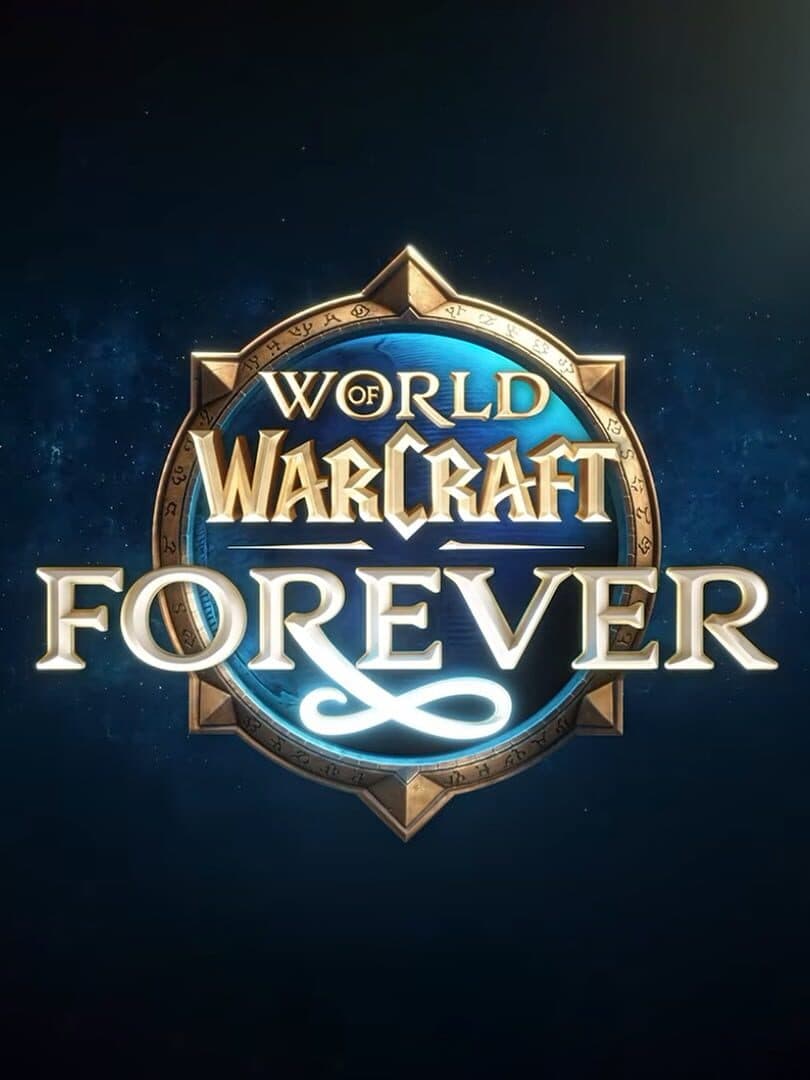
Blizzard capitalized on BlizzCon's return to reveal World of Warcraft Forever, a project billed as a comprehensive overhaul of the original 2004 game, alongside a first teaser for the expansion The Last Titan. The ambition is clear: reconcile Vanilla nostalgia with current standards. But between marketing repositioning and genuine technical undertaking, the promise deserves scrutiny before celebration.
Topic
News
Reading
3 min read
Updated
Sunday, September 13, 2026
Key points
- 1Blizzard capitalized on BlizzCon's return to reveal World of Warcraft Forever, a project billed as a comprehensive overhaul of the original 2004 game, alongside a first teaser for the expansion The Last Titan.
- 2The ambition is clear: reconcile Vanilla nostalgia with current standards.
- 3But between marketing repositioning and genuine technical undertaking, the promise deserves scrutiny before celebration.
Lumnix angle
We isolate the useful facts first, then keep the analysis focused on what changes for players.
Blizzard came back swinging at BlizzCon 2026 with a two-part announcement: World of Warcraft Forever, presented as a reinterpretation of the original 2004 WoW, and a first video teaser for The Last Titan, its inaugural expansion. Two decades after the launch that defined mainstream MMOs, the studio is playing the nostalgia card again — not for the first time, but with a declared ambition that exceeds Classic or Hardcore.
Forever: What Exactly Is It — and How It Differs from Classic
WoW Classic, launched in 2019, followed by Hardcore and Season of Discovery through 2024, proved one thing: demand for pre-expansion WoW exists, it's massive, and it's profitable. Blizzard isn't discovering this market; it's deciding to make it a standalone product rather than a side service.
WoW Forever positions itself as a reimagined Vanilla, not simply re-released. The distinction matters. A straightforward return to 2004 code with visual polish — Blizzard knows how to do that, and already has. Here, the idea would be to preserve Vanilla's philosophy of slow progression, cohesive world-building, and enforced cooperation, while integrating accessibility adjustments and technical architecture capable of supporting genuine expansions. The Last Titan would be the first concrete example.
The Last Titan: A Teaser, Not a Complete Promise
The teaser screened at BlizzCon 2026 delivers no gameplay footage. It establishes a narrative framework centered on the Titans — the cosmic beings that shaped Azeroth in WoW mythology — and suggests a return to lore fundamentals as much as mechanical ones. This direction aligns with Vanilla's identity, where Azeroth was a world to discover rather than an endgame content pipeline.
What remains unknown: the business model. Will Forever carry a separate subscription from retail WoW? Will it be included? Will expansions follow the old boxed add-on pricing? Blizzard didn't answer these questions during the announcement, which is precisely where the project's credibility hinges for players who've already paid multiple times for the same Azeroth.
The real tension lies here: does Blizzard have the human resources to maintain three parallel WoW production lines without one becoming underfunded within six months? The studio's recent history, marked by restructuring between 2022 and 2025, invites caution on this front.
Cannibalization Risk
Blizzard currently manages multiple simultaneous WoW versions: retail with The War Within released in 2024, Classic Era, and seasonal offerings. Adding Forever to the roster fragments an already finite player base further.
The question isn't whether Forever will find an audience — it will, Classic's numbers prove that. The real tension is whether Blizzard has the organizational capacity to sustain this without one product going hungry. The studio's track record suggests skepticism is warranted.
BlizzCon's return itself wasn't accidental. Its timing with this announcement serves Blizzard's larger goal: reclaiming direct community connection eroded by years of cold corporate messaging and disappointing releases. Forever and The Last Titan also serve this narrative — reminding players that the studio still understands what made WoW great.
It's an honest posture, provided the product delivers. Players who survived Warlords of Draenor in 2014 or Shadowlands' disastrous launch in 2020 have long memories. Nostalgia opens the door; it won't keep subscribers around.
In brief
Blizzard capitalized on BlizzCon's return to reveal World of Warcraft Forever, a project billed as a comprehensive overhaul of the original 2004 game, alongside a first teaser for the expansion The Last Titan. The ambition is clear: reconcile Vanilla nostalgia with current standards. But between marketing repositioning and genuine technical undertaking, the promise deserves scrutiny before celebration.