#preservation
6 article(s)

Halo Combat Evolved Now Runs in Browser With 128-Player Multiplayer
A fan-made port lets Halo Combat Evolved run directly in a web browser with multiplayer supporting 128 simultaneous players—eight times the original 16-player limit from the 2001 release. Beyond the technical feat, the project raises a familiar question for the Halo modding scene: how far will Microsoft let these initiatives go before stepping in?
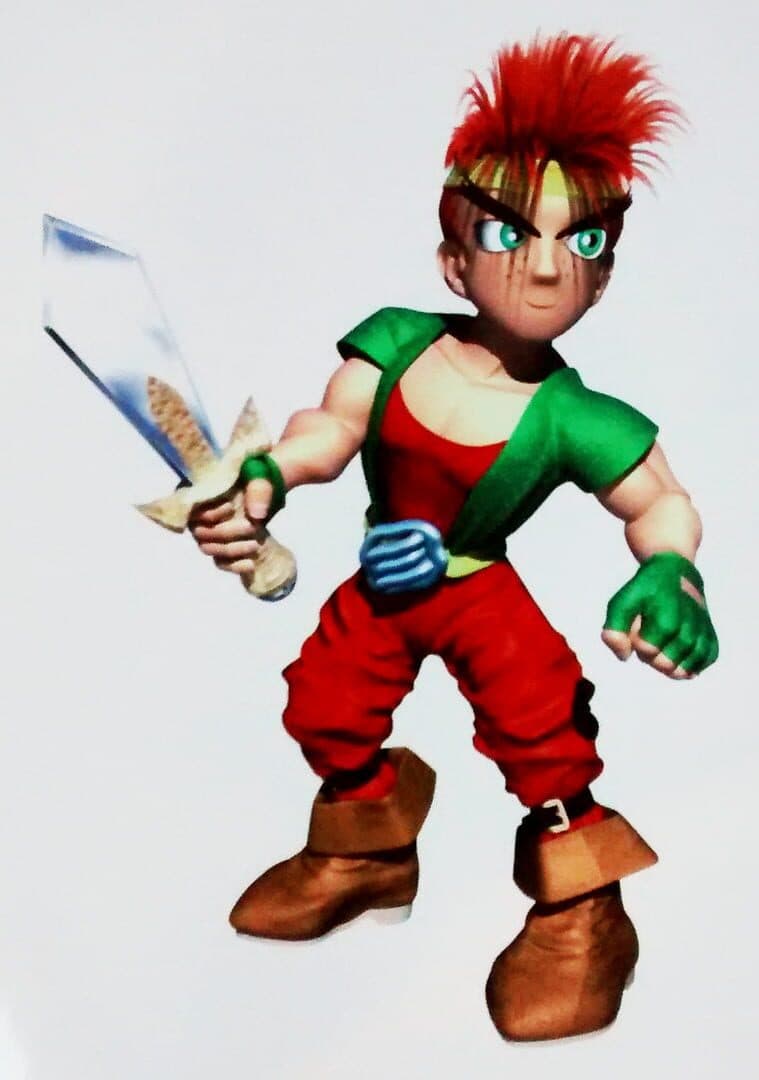
Dream: The Lost Banjo-Kazooie Prototype Finally Playable 30 Years Later
A prototype for Dream: Land of Giants, a canceled Rare game for Super Nintendo that might never have existed in this form, is now playable for the first time. It's not just a digital museum artifact—it's the missing link between Rare's SNES experiments and Banjo-Kazooie, released in 1998 on Nintendo 64. Finding this build reveals how a studio shaped its ideas before commercial constraints scattered them elsewhere.

Quake 4: The Awakening DLC Finally Playable After 20 Years
The Awakening, the expansion Ritual Entertainment never delivered for Quake 4, resurfaces in a playable form accessible to all. Activision buried the project after the game's commercial failure in 2005. Two decades later, this piece of FPS history rises again thanks to passionate fans. What was condemned to remain a development ghost becomes a stark reminder of how fragile licensed projects are and how much the industry lets die without reason.
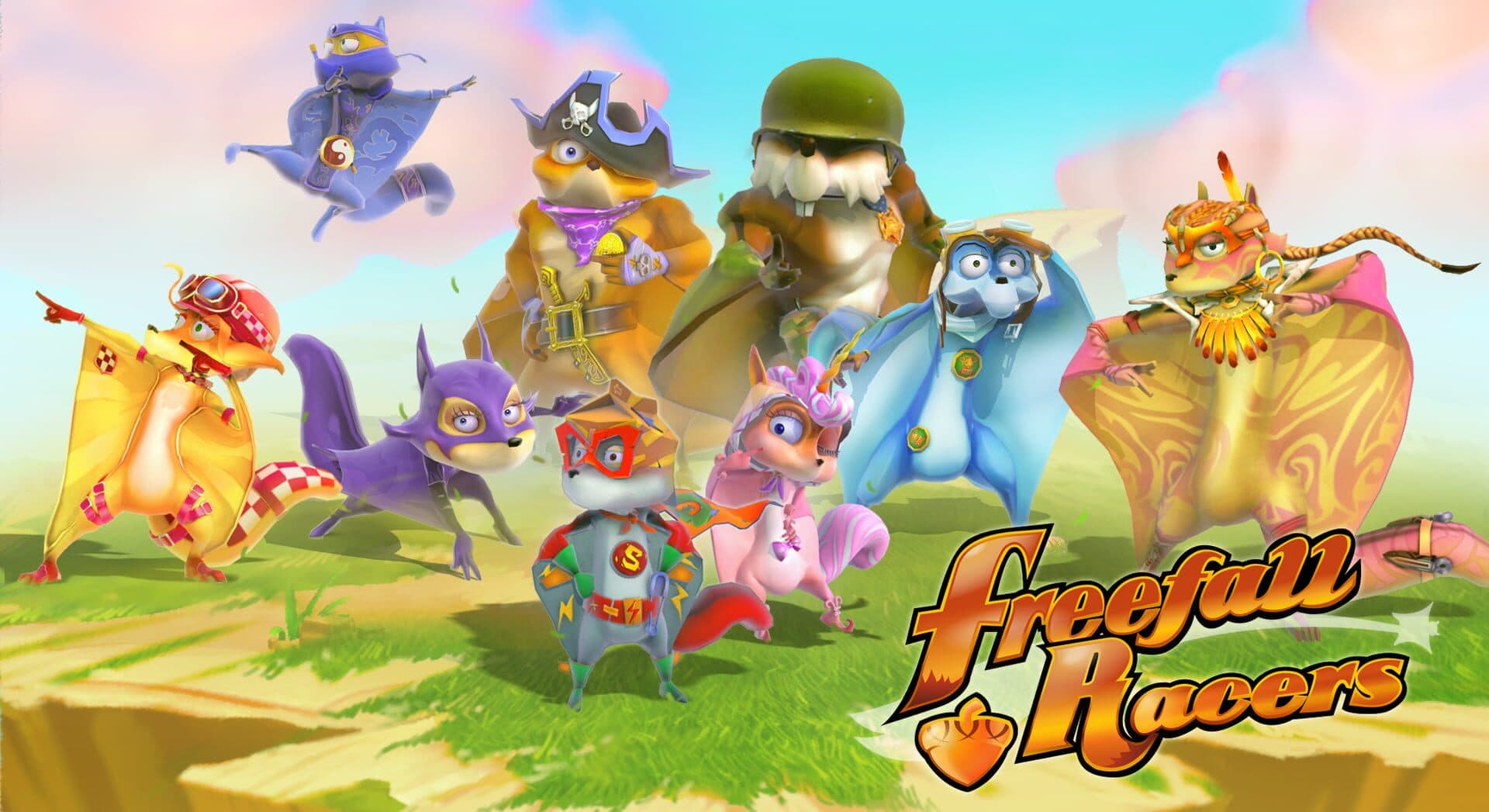
Freefall Racers: Kinect Exclusive Returns Without Kinect or Xbox
Freefall Racers, a racing game built for Xbox One's Kinect sensor, resurfaces in a version stripped of all motion detection hardware. This comeback raises a real question: how do you revive an entire genre killed by a peripheral's death, and what does it say about the fate of abandoned Kinect exclusives since the end of the Xbox One era.
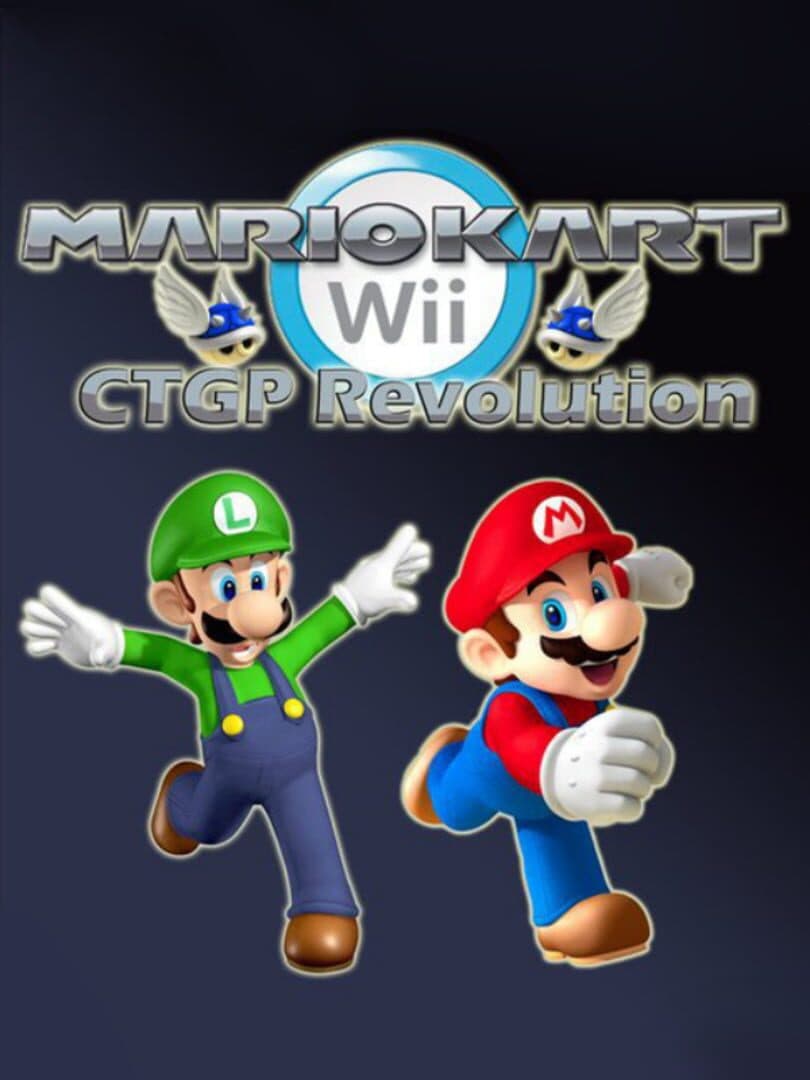
Mario Kart Wii Recompiled in 4K: The PC Port That Changes Everything
An unofficial native port of Mario Kart Wii now runs on PC in 4K, the result of decompiling the original source code. This isn't traditional emulation: the game runs as a native executable, opening real possibilities for performance, visual fidelity, and the longevity of this Wii title. The technical difference is significant, and it raises a question Nintendo prefers to ignore: who actually preserves gaming heritage?

Half-Life 2 Playable in a Browser: Technical Feat or Wake-Up Call?
A high school student known as slqnt has made Half-Life 2 fully playable directly from a web browser—free, no installation, no Steam client required. The feat relies on compiling the Source engine to WebAssembly. Beyond the individual achievement, a larger question emerges: what does this say about the accessibility of classic PC games, and about publishers' inertia toward a legacy slowly fading away?