#Resident Evil
4 article(s)
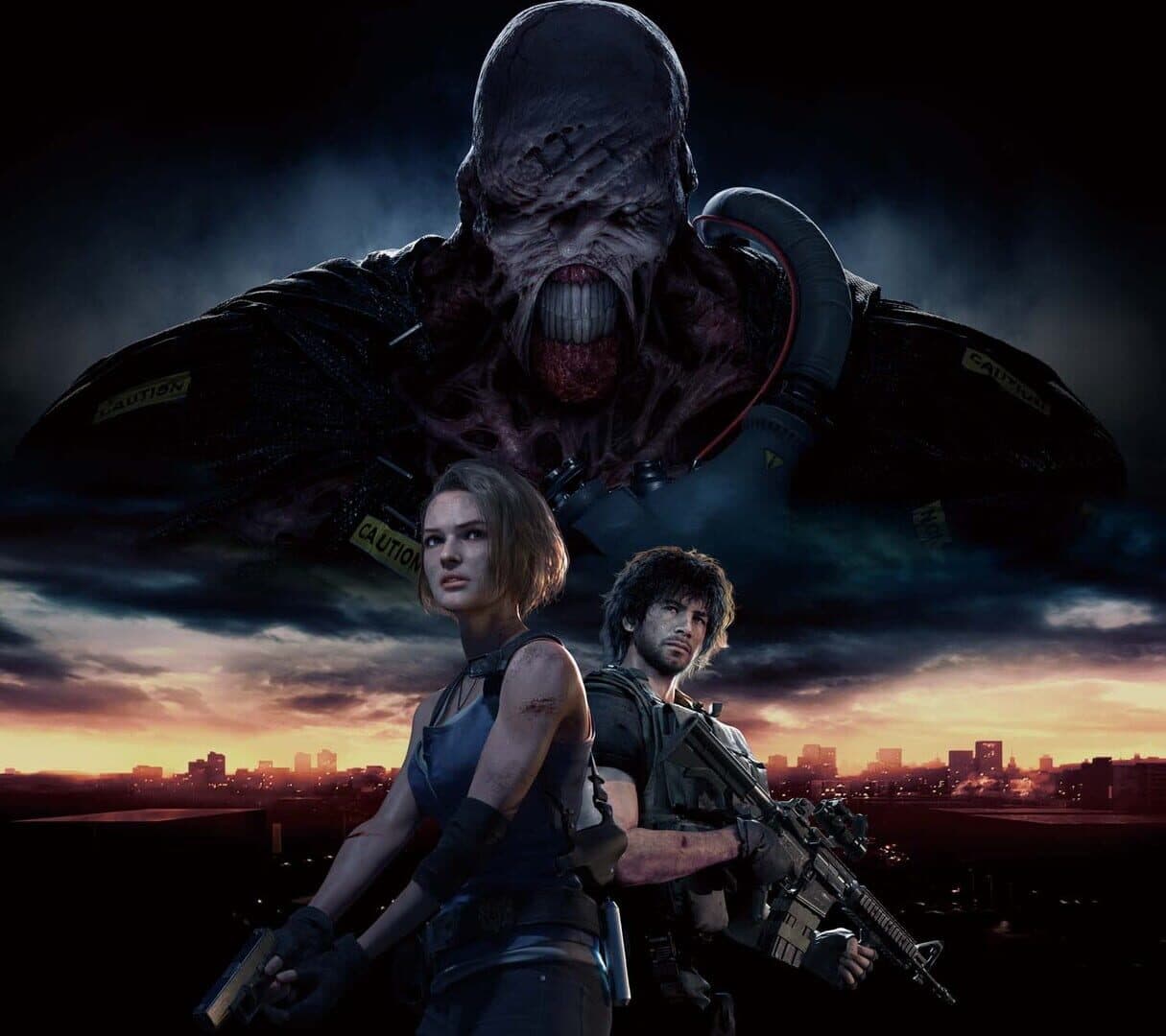
RE3 Nemesis Wasn't Survival Horror: Mikami Understood This First
Resident Evil 4's paradigm shift in 2005 became gaming history's founding myth. Except Shinji Mikami had already transformed the franchise six years earlier. Resident Evil 3: Nemesis, released in 1999, isn't a failed survival horror game—it's an action game disguised as survival horror, and this distinction reframes two decades of Capcom history.

Cronos: Lazarus Bets Big on Action—and It Works
A year after The New Dawn, Bloober Team returns with Lazarus, an expansion centered on the Guardian that deliberately breaks from the survival horror of the base game. The DLC shifts squarely toward pure action: new gadgets, healing crafting, enhanced gunplay. A hands-on preview of the available build reveals content that owns its ambitions without trying to recreate the original formula. This pivot deserves a closer look.

Resident Evil: Why Capcom Cut Spin-Offs From Its Roadmap
Masachika Kawata, the franchise's longtime producer, was blunt: Resident Evil spin-offs didn't vanish due to lack of interest, but scheduling constraints. With Resident Evil Requiem on the horizon, Capcom is funneling all resources into the main saga. His statement reveals as much about the studio's internal state as it does about a franchise that can no longer afford to spread itself thin.

Dino Crisis: Why the Franchise Could Never Escape Resident Evil's Shadow
Shinji Mikami wanted to prove he wasn't a one-trick pony. Dino Crisis, released in 1999, was meant to be that break: same survival-horror DNA, but with dinosaurs and renewed tension. Twenty-seven years later, the franchise remains a footnote in Capcom's history, overshadowed by Resident Evil's longevity. It's not a matter of quality—it's a lesson in what it means to exist in the shadow of a juggernaut you created yourself.