GTA VI: Rockstar Sells a Netflix Season Before Selling a Game
Rockstar has built the GTA VI campaign like the launch of a TV series rather than a traditional video game: trailers at calculated intervals, character duo like a season, reveals doled out carefully. One month before the planned November 19, 2026 release, this strategy raises questions about what the studio is actually promising players, and the risk of disappointment if gameplay doesn't match the spectacle.
Topic
News
Reading
3 min read
Updated
Saturday, October 31, 2026
Key points
- 1Rockstar has built the GTA VI campaign like the launch of a TV series rather than a traditional video game: trailers at calculated intervals, character duo like a season, reveals doled out carefully.
- 2One month before the planned November 19, 2026 release, this strategy raises questions about what the studio is actually promising players, and the risk of disappointment if gameplay doesn't match the spectacle.
- 3The stakes go beyond simple teasing: they touch on what the studio is actually selling to players, and the pressure that places on the final product.
Lumnix angle
We isolate the useful facts first, then keep the analysis focused on what changes for players.
Community pulse
Are you planning to buy this game?
GTA VI
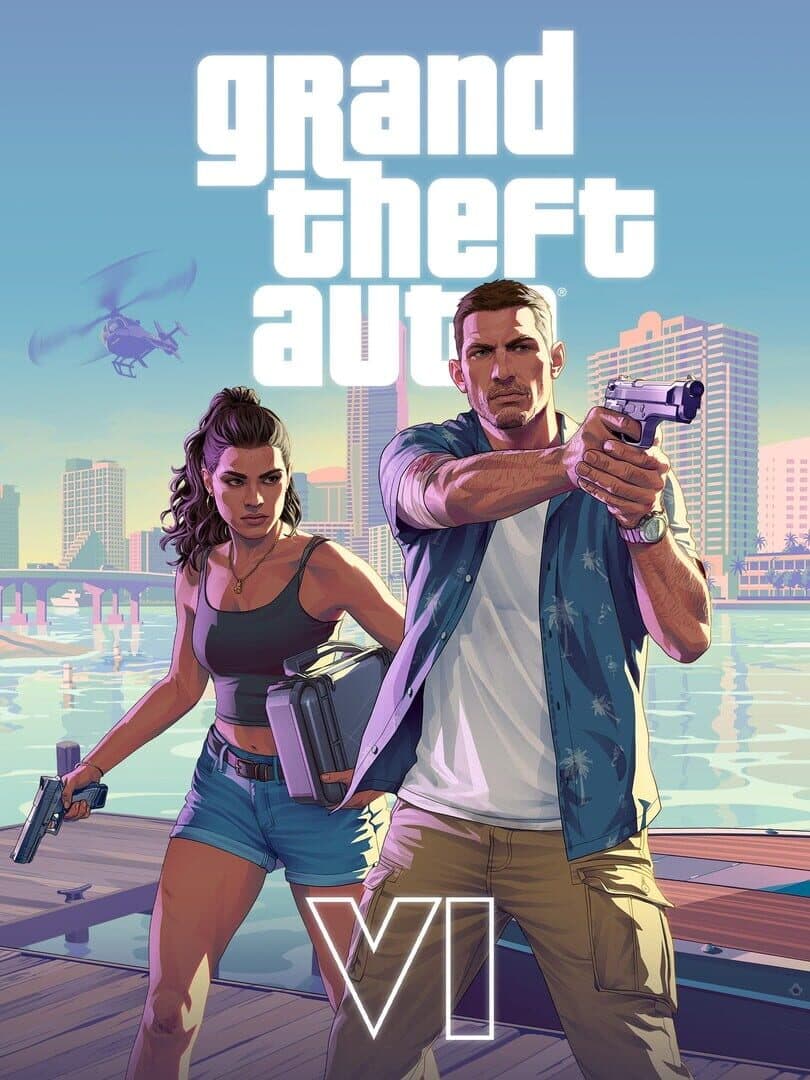
Two trailers, hundreds of millions of cumulative views, and a narrative framed like a casting reveal rather than a gameplay demonstration: the marketing for GTA VI looks less and less like a video game launch and more and more like a premium TV series. Just weeks before the announced November 19, 2026 release on PS5 and Xbox Series X|S, Rockstar has built its entire marketing strategy around Jason and Lucia, its Bonnie-and-Clyde-style duo, without ever showing a single minute of raw gameplay mechanics. The stakes go beyond simple teasing: they touch on what the studio is actually selling to players, and the pressure that places on the final product.
A Campaign Designed Like a Season, Not a Demo
The first trailer, released in December 2023, and the second, dropped in May 2025, never attempted to showcase game systems. They function like TV fiction trailers: cinematic shots, musical editing, character introductions with suggested narrative arcs rather than information about mechanics. This approach is no accident from Rockstar, which still has a technical studio capable of showing hours of gameplay as it did for Red Dead Redemption II in 2018. The choice to withhold gameplay to the bitter end represents an deliberate editorial strategy: build anticipation around characters and world before revealing what you can actually do in it.
Rockstar Has Always Sold Cinema, But Never Without the Game Behind It
The studio isn't inventing anything with this dramatic approach: GTA IV in 2008 already opened with a film-noir-style family tragedy, and Red Dead Redemption II in 2018 packed cinematic sequences with HBO-level care. But in both cases, the narrative promise came alongside clear communication about systems: weapon physics, NPC artificial intelligence, gang economy management. For GTA VI, this part of the contract has remained silent for nearly three years of campaigning. Rockstar's bet is therefore unprecedented in scope: convince purely through narrative and casting, betting on the trust earned from previous entries rather than demonstration.
The real risk isn't that this transforms GTA VI into an interactive blockbuster: Rockstar's open worlds have always been playgrounds as much as fictional backdrops. The danger lies elsewhere. By systematically deferring any pure gameplay demonstration, the marketing creates expectations focused solely on presentation, not playability. If announced mechanics—contextual NPC intelligence or renewed vehicle physics—don't stack up against the cinematic quality on display, the disconnect will be immediate and visible from the first reviews. A game sold as a Netflix series must, at launch, prove it remains first and foremost a system of manipulable rules, not just a sequence of scenes.
This shift toward streaming-platform-style communication isn't a simple cosmetic marketing choice: it redefines public expectations before the game even reaches their hands. Rockstar has positioned itself as a cultural content producer before being seen as a game systems developer—a bet that costs nothing while gameplay silence lasts, but must be paid in full on launch day. The true measure of GTA VI won't be determined by its trailers' quality, already secured, but by its ability to deliver gameplay loops as striking as its presentation. Rockstar has won the anticipation battle; now it must win the game itself.
In brief
Rockstar has built the GTA VI campaign like the launch of a TV series rather than a traditional video game: trailers at calculated intervals, character duo like a season, reveals doled out carefully. One month before the planned November 19, 2026 release, this strategy raises questions about what the studio is actually promising players, and the risk of disappointment if gameplay doesn't match the spectacle.