Virtua Tennis at 26: The Game That Won Over a Generation
On July 11, 2000, Sega and Hitmaker launched Virtua Tennis on the American Dreamcast, following its earlier arcade run on NAOMI hardware. Twenty-six years later, this title remains a textbook case: how a sports game can convert players who despised the sport itself. This isn't nostalgia—it's an observation about what the Dreamcast achieved that few machines have replicated since.
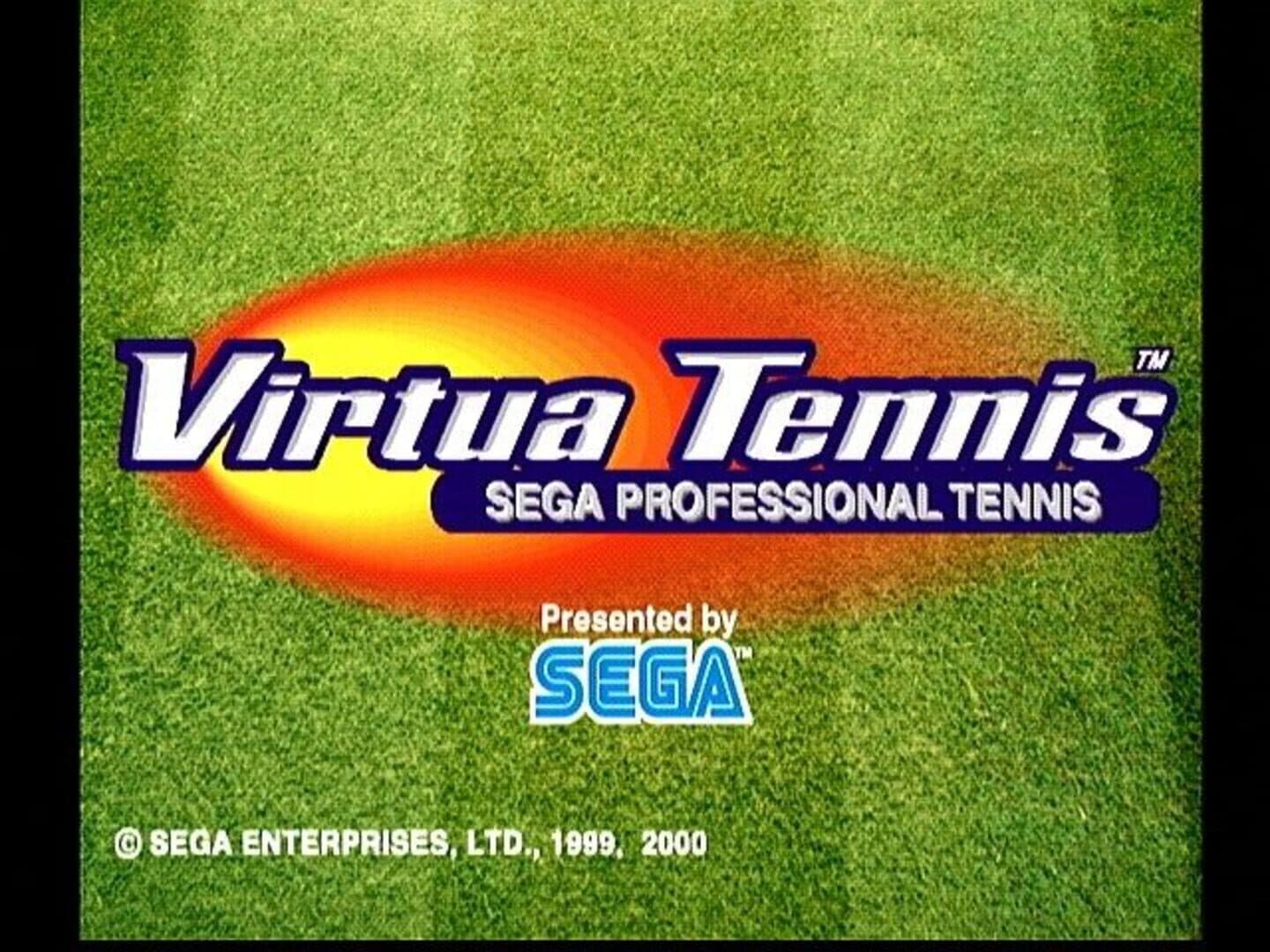
Topic
News
Reading
4 min read
Updated
Sunday, July 12, 2026
Key points
- 1On July 11, 2000, Sega and Hitmaker launched Virtua Tennis on the American Dreamcast, following its earlier arcade run on NAOMI hardware.
- 2Twenty-six years later, this title remains a textbook case: how a sports game can convert players who despised the sport itself.
- 3This isn't nostalgia—it's an observation about what the Dreamcast achieved that few machines have replicated since.
Lumnix angle
We isolate the useful facts first, then keep the analysis focused on what changes for players.
On July 11, 2000, Virtua Tennis landed on Dreamcast in the United States. Developed by Hitmaker, Sega's internal studio, the game had already proven itself in arcades on NAOMI hardware since 1999—a solid foundation that guaranteed a home conversion without major technical compromise. In Japan, it circulated under the name Power Smash. On Sega's white console, it quickly earned the Sega All Stars label, reserved for titles deemed essential to the lineup.
What's worth revisiting in 2026 isn't the anniversary itself. It's the question the game still poses: why do certain sports titles manage to win over players fundamentally indifferent to the sport, when the vast majority of simulations only convert the already convinced?
A NAOMI Arcade in Your Living Room: Dreamcast as Testing Ground
The Dreamcast had a unique relationship with the arcade. NAOMI hardware, used in cabinets, was architecturally very similar to the console—which allowed ports of rare fidelity for the era. Virtua Tennis benefited directly: the striking sensation, the clarity of rallies, and the responsiveness of controls hadn't suffered the typical degradation from cabinet to home conversion.
This technical proximity produced something fairly rare in sports games around 2000: a title that was immediately accessible, without a punishing learning curve, yet with enough tactical depth to justify extended play sessions. The training mini-games—often cited as among the best ever designed in the genre—served this logic: learn by playing, not by reading a manual.
The Paradox of a Sports Game That Transcends Its Sport
Virtua Tennis never tried to simulate tennis as it actually is—it chose to simulate the pleasure of tennis. That's a crucial distinction. Titles like Top Spin (2K Czech, 2003) or later Tennis World Tour (Breakpoint, 2018) bet on mechanical complexity and fidelity to professional rules. Result: games appreciated by sports enthusiasts, often off-putting to everyone else.
Hitmaker went the opposite direction: simplify inputs without oversimplifying game readability. A player who's never watched a tennis match in their life can understand a rally in Virtua Tennis in thirty seconds. This accessibility isn't a design flaw—it's a deliberate editorial choice, consistent with Sega's arcade philosophy at the time.
You find this same principle in Mario Tennis (Camelot, Nintendo 64, 2000), released the same year, which also leaned on immediate clarity to reach a broad audience. Two different approaches, one shared conviction: sport as a vehicle for instant fun.
What Dreamcast Delivered That Its Successors Never Replicated
Sega's console disappeared in 2001, but it left behind a dense catalog of titles that aged with rare dignity. Virtua Tennis stands among them, alongside Jet Set Radio (Smilebit, 2000) and Shenmue (Sega AM2, 1999)—games whose influence on entire genres we still measure today.
What strikes in hindsight is that Hitmaker understood something many sports studios took years to grasp: emotional onboarding trumps technical onboarding. Convince a player that a sport is fun before teaching them it's complex—not the other way around. The sequels, notably Virtua Tennis 2 (2001) and Virtua Tennis 3 (2006), preserved this legacy with diminishing returns, the series eventually losing steam as Top Spin rose in power.
Twenty-Six Years Later, an Unfilled Void
No tennis game released since has managed to replicate exactly what Virtua Tennis did in 2000: be a mainstream sports game without being oversimplified to absurdity. AO Tennis 2 (Big Ant Studios, 2020) and Tennis Clash (Wildlife Studios, 2019) exist, but in very different registers—one targets simulation, the other mobile casual play.
The niche for an arcade tennis game—immediately fun, deep over time—remains desperately empty. This isn't misplaced nostalgia—it's a market observation. Virtua Tennis didn't just convert players to tennis in 2000: it set a standard nobody deemed worth reviving. Perhaps that's its most frustrating legacy.
In brief
On July 11, 2000, Sega and Hitmaker launched Virtua Tennis on the American Dreamcast, following its earlier arcade run on NAOMI hardware. Twenty-six years later, this title remains a textbook case: how a sports game can convert players who despised the sport itself. This isn't nostalgia—it's an observation about what the Dreamcast achieved that few machines have replicated since.