#Dreamcast
5 article(s)

Metropolis Street Racer: The Dreamcast Masterpiece Sega Couldn't Sell
Released in November 2000, Metropolis Street Racer invented a racing game more demanding than Gran Turismo on pure driving technique. Twenty-six years later, Bizarre Creations' title remains proof that superior design alone never wins a platform war against a dominant ecosystem.
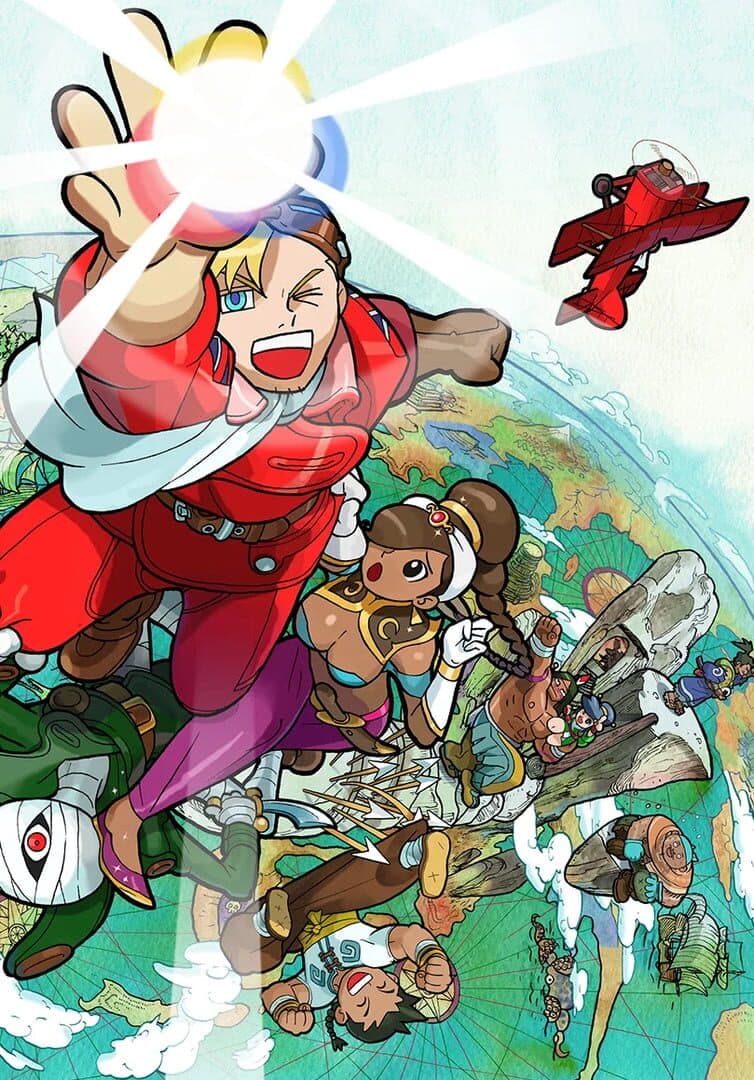
Power Stone Emerges From 26-Year Silence With Capcom Fighting Collection 2
Thanks to Capcom Fighting Collection 2, launching in 2025, both Power Stone games become playable for the first time since the 2006 PSP port. Between this one-off revival and the complete lack of sequels since Power Stone 2, the Dreamcast franchise illustrates a familiar tension: Capcom knows how to preserve its legacy, but refuses to reinvest in it.

Capcom vs. SNK at 26: When Dreamcast United Fighting Game Gods
In 2000, Capcom delivered to the Dreamcast one of the most ambitious crossovers in versus fighting history: Capcom vs. SNK. Twenty-six years later, this title remains a generational marker, symbol of an era when the Naomi arcade and Sega's console formed a nearly perfect bridge between the arcade and the living room. Revisiting it means understanding why that window of the year 2000 has never truly been reopened.
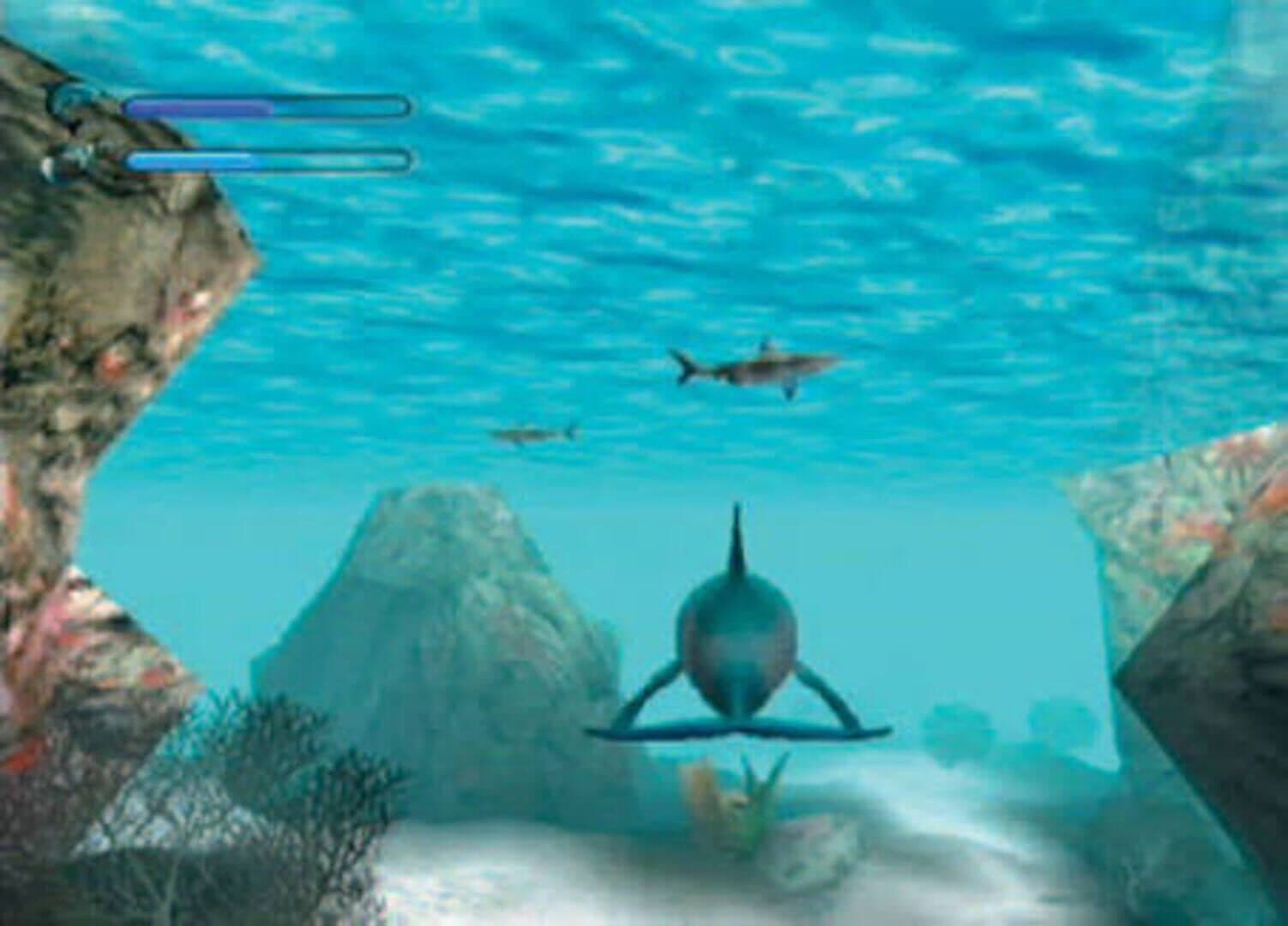
Ecco Defender of the Future: 26 Years Later, the Dolphin Still Teaches
Released on Dreamcast in 2000, Ecco the Dolphin: Defender of the Future remains a singular artifact in gaming history. A quarter-century on, Appaloosa Interactive's title deserves closer examination—not for nostalgia's sake, but because its approach to marine ecology and environmental storytelling retains a troubling relevance. Few contemporary games have managed to surpass it on this precise terrain.
Virtua Tennis at 26: The Game That Won Over a Generation
On July 11, 2000, Sega and Hitmaker launched Virtua Tennis on the American Dreamcast, following its earlier arcade run on NAOMI hardware. Twenty-six years later, this title remains a textbook case: how a sports game can convert players who despised the sport itself. This isn't nostalgia—it's an observation about what the Dreamcast achieved that few machines have replicated since.