Power Stone Emerges From 26-Year Silence With Capcom Fighting Collection 2
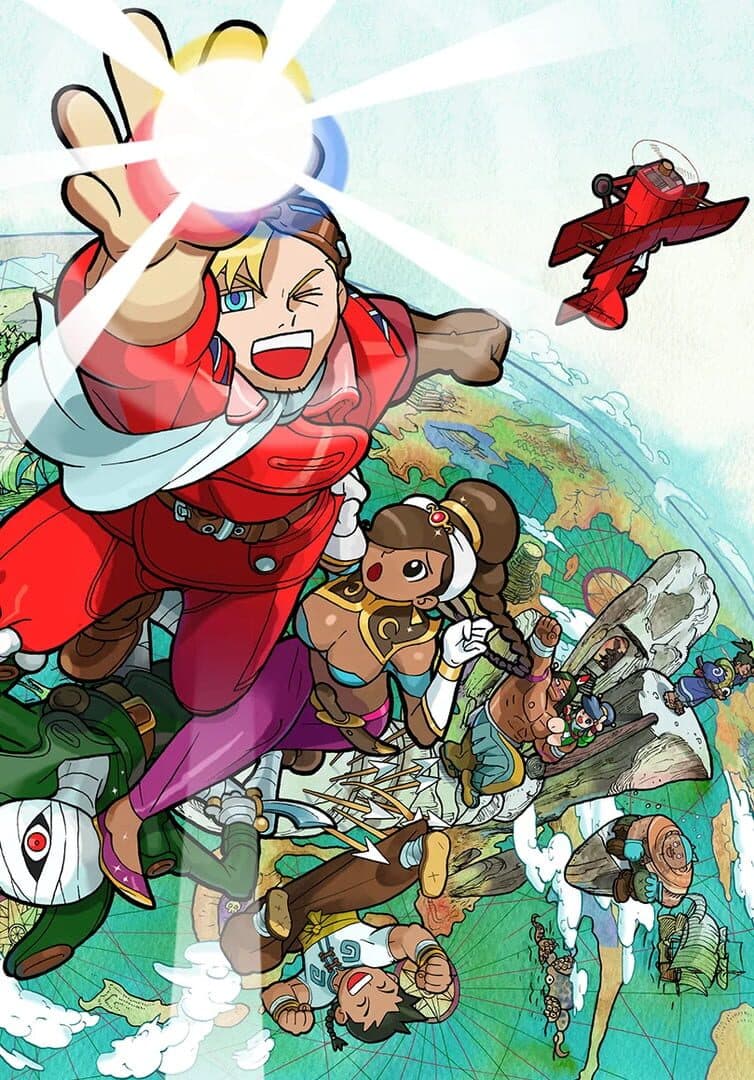
Thanks to Capcom Fighting Collection 2, launching in 2025, both Power Stone games become playable for the first time since the 2006 PSP port. Between this one-off revival and the complete lack of sequels since Power Stone 2, the Dreamcast franchise illustrates a familiar tension: Capcom knows how to preserve its legacy, but refuses to reinvest in it.
Topic
News
Reading
3 min read
Updated
Wednesday, October 14, 2026
Key points
- 1Thanks to Capcom Fighting Collection 2, launching in 2025, both Power Stone games become playable for the first time since the 2006 PSP port.
- 2Between this one-off revival and the complete lack of sequels since Power Stone 2, the Dreamcast franchise illustrates a familiar tension: Capcom knows how to preserve its legacy, but refuses to reinvest in it.
- 3Capcom Fighting Collection 2, out in 2025, brings both Power Stone entries back into active rotation.
Lumnix angle
We isolate the useful facts first, then keep the analysis focused on what changes for players.
Capcom Fighting Collection 2, out in 2025, brings both Power Stone entries back into active rotation. This marks the first time since the Power Stone Collection compilation on PSP, released two decades ago, that both games have been playable without hunting down a used Dreamcast or resorting to emulation workarounds. In the interim, the franchise barely existed for Capcom—save for a paid Ken costume in Street Fighter V, a cosmetic nod that served as the only Power Stone news story for nearly two decades.
A Revival Built on Compilation Strategy, Not Corporate Intent
Power Stone (1999) and its sequel Power Stone 2 (2000) defined the Dreamcast through destructible 3D arena combat playable with multiple fighters, at a time when fighting games remained locked into one-on-one duels on 2D planes. Their inclusion in Capcom Fighting Collection 2 follows standard compilation logic: assembling historically significant fighting titles from the studio, not a deliberate push to revive this specific license. Nothing in the official messaging hints at a new entry, a standalone remaster, or even expanded online multiplayer.
Yet this editorial choice delivers something tangible for players: Power Stone is now accessible on modern hardware for the first time since the PSP port, without technical gymnastics. It's a real signal—but one strictly limited to archival duties.
Twenty-Six Years Without a Sequel, a Silence Nostalgia Can't Fill
Power Stone 2 launched in 2000. Since then, Capcom has announced no sequel, spin-off, or reboot. The studio has successfully resurrected other dormant franchises with solid commercial returns—Street Fighter 6 in 2023, Monster Hunter Wilds in 2025. Power Stone remains confined to the role of historical footnote: referenced in retrospectives, summoned for a costume cameo, but never positioned as the foundation for an active relaunch.
This prolonged absence raises questions about the genre's current market standing. The 3D arena party brawler Power Stone embodied never found a direct successor under Capcom's roof, and the segment has since been largely absorbed by other formats—platform fighters in the Super Smash Bros. mold or competitive online brawlers. Reviving Power Stone would force Capcom to reposition a genre that no longer has a clear commercial slot, which partially explains the studio's caution.
Legacy Maintained, License Dormant
Capcom's approach to Power Stone mirrors its treatment of secondary franchises: keep them available through compilations, deploy them in cosmetic crossovers, but allocate no dedicated development budget. This strategy carries an editorial cost: it sustains the license in bare-minimum survival mode without ever testing whether it can reclaim an audience. The success or failure of a potential revival remains purely theoretical—no recent attempt exists to measure against.
For players discovering both episodes through Capcom Fighting Collection 2, the experience still holds up: arena clarity, multi-fighter combat pacing, and the game's inherent festivity haven't aged poorly on a technical level. Yet this rediscovery remains an act of curation, not a gateway to a new chapter. Capcom treats Power Stone as a well-maintained museum piece, not an active franchise, and nothing available suggests a strategic shift in the near term.
In brief
Thanks to Capcom Fighting Collection 2, launching in 2025, both Power Stone games become playable for the first time since the 2006 PSP port. Between this one-off revival and the complete lack of sequels since Power Stone 2, the Dreamcast franchise illustrates a familiar tension: Capcom knows how to preserve its legacy, but refuses to reinvest in it.