Warhammer 40K: Space Marine 3, Boltgun 2, Dawn of War — 2026-2028 Roadmap
The Warhammer 40,000 license is poised to dominate gaming across three consecutive years. Space Marine 3, Boltgun 2, and a new Dawn of War are among the confirmed or announced projects through 2028. It's no accident: Games Workshop has transformed its licensing strategy into a content machine, and the output now exceeds any player's attention span—even the most committed ones.
Topic
News
Reading
4 min read
Updated
Wednesday, September 9, 2026
Key points
- 1The Warhammer 40,000 license is poised to dominate gaming across three consecutive years.
- 2Space Marine 3, Boltgun 2, and a new Dawn of War are among the confirmed or announced projects through 2028.
- 3It's no accident: Games Workshop has transformed its licensing strategy into a content machine, and the output now exceeds any player's attention span—even the most committed ones.
Lumnix angle
We isolate the useful facts first, then keep the analysis focused on what changes for players.
Space Marine 3, Boltgun 2, a new Dawn of War entry: the Warhammer 40,000 license is lining up at least three major titles across the 2026-2028 window. That release cadence demands scrutiny. Games Workshop has built an oversaturated video game ecosystem in recent years—dozens of games bearing the brand across every genre imaginable. The question is no longer whether the license is bankable, but whether this density still serves players or has begun diluting what each release is supposed to stand for.
Three Flagship Projects, Three Studios, Three Distinct Visions
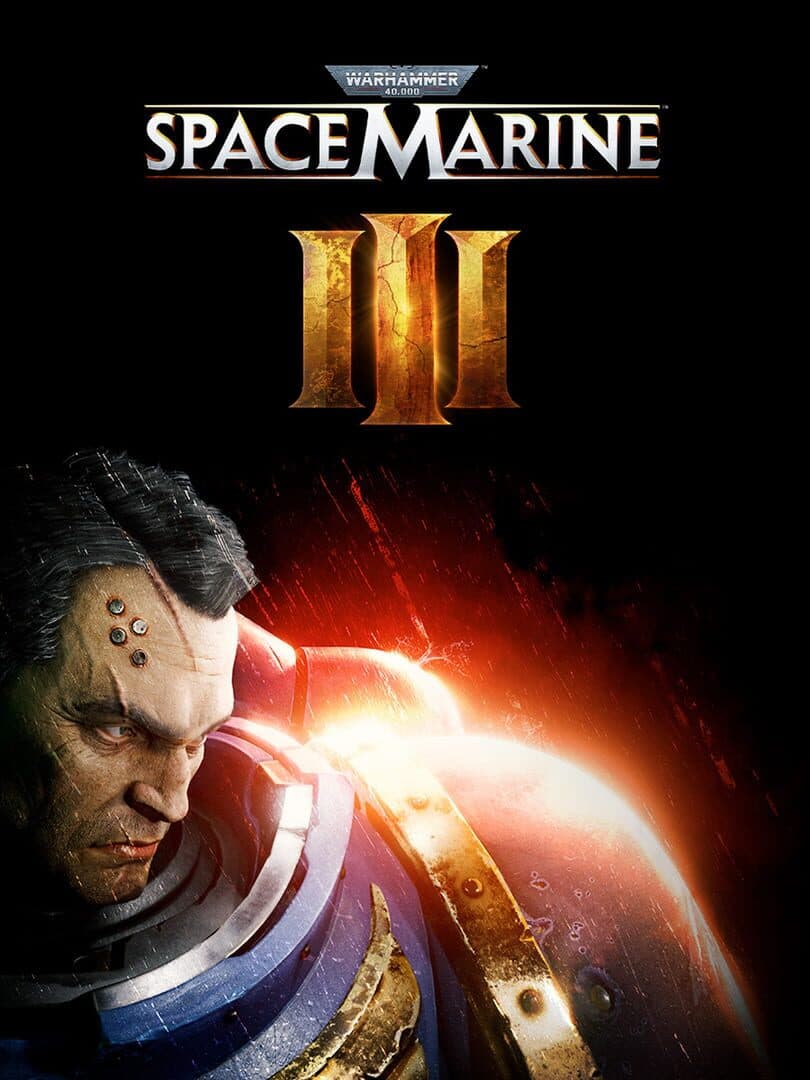
Space Marine 3 is the most anticipated case. Focus Entertainment and Saber Interactive established solid commercial footing with the second installment released in 2024—the game became one of that quarter's best-sellers. A third entry following up is not an editorial surprise; it's industrial logic. The real challenge will be preventing Titus from becoming a DLC machine dressed up with a "3" on the box.
Boltgun 2 operates on different logic. The original, released in 2023 by Auroch Digital, pulled off a risky bet: dropping a pixelated old-school shooter into the grimdark universe without excessive narrative compromise, with pacing reminiscent of Doom (id Software, 1993) or Quake (id Software, 1996). A sequel confirms this market segment—the licensed boomer shooter—has carved out real territory. The risk this time around is losing the surprise factor as a primary selling point.
Dawn of War is the most sensitive file. The RTS franchise founded by Relic Entertainment in 2004 has been waiting for credible resurrection since the spectacular failure of Dawn of War III in 2017, which disappointed across the board—a botched MOBA-RTS hybrid, stripped multiplayer, player base evaporating in weeks. Any new game bearing this name will have to navigate between nostalgia-hungry Dawn of War II fans and the evolved expectations of today's RTS market. Nothing yet indicates who's developing this project or in what precise direction it's headed.
The Saturation Problem Under License
Warhammer 40,000 and Warhammer Age of Sigmar combined represent one of gaming's most prolific licenses in history. This abundance carries a cognitive cost for players: with regular releases of uneven quality, the brand loses its signaling power. When a Warhammer logo appears, it no longer automatically guarantees quality or a coherent experience.
This is precisely the trap comparable franchises have fallen into. Star Wars saw the same glut between 2010 and 2015, ranging from excellent The Force Unleashed to outright forgettable productions—before Disney and EA dramatically tightened the tap. Games Workshop appears to be making the opposite choice for now: multiplying entry points to capture vastly different player profiles, from hardcore RTS devotees to adrenaline-junkie shooter fans.
That strategy makes sense on paper. In practice, it requires every studio carrying the license to have both the means and creative freedom to deliver something genuinely distinctive—which isn't guaranteed when licensing contracts impose tight scheduling constraints.
What This Sequence Reveals About the Licensed AAA Market
Lining up three major games on the same license within under three years sends a strong signal about the market's state. Mid-tier publishers—Focus Entertainment leading the charge—have found in Warhammer terrain where commercial risk is partially absorbed by the universe's established reputation. The lore does some of the marketing work. Players already know Space Marines, Orks, Chaos Space Marines before they see the first trailer.
That doesn't excuse sloppy development, but it reduces narrative entry cost. For mid-sized studios, it's real competitive advantage against first-party productions that can afford to build a universe from scratch. The 2026-2028 window will be a full-scale stress test: can Warhammer sustain a high release cadence without cannibalizing itself?
The answer depends less on licensees than on the editorial consistency Games Workshop will—or won't—impose across all its partners. If Space Marine 3, Boltgun 2, and the new Dawn of War launch within the same six-month window, players will have to choose. In that scenario, the franchise will have succeeded in competing against itself.
In brief
The Warhammer 40,000 license is poised to dominate gaming across three consecutive years. Space Marine 3, Boltgun 2, and a new Dawn of War are among the confirmed or announced projects through 2028. It's no accident: Games Workshop has transformed its licensing strategy into a content machine, and the output now exceeds any player's attention span—even the most committed ones.