#RTS
6 article(s)
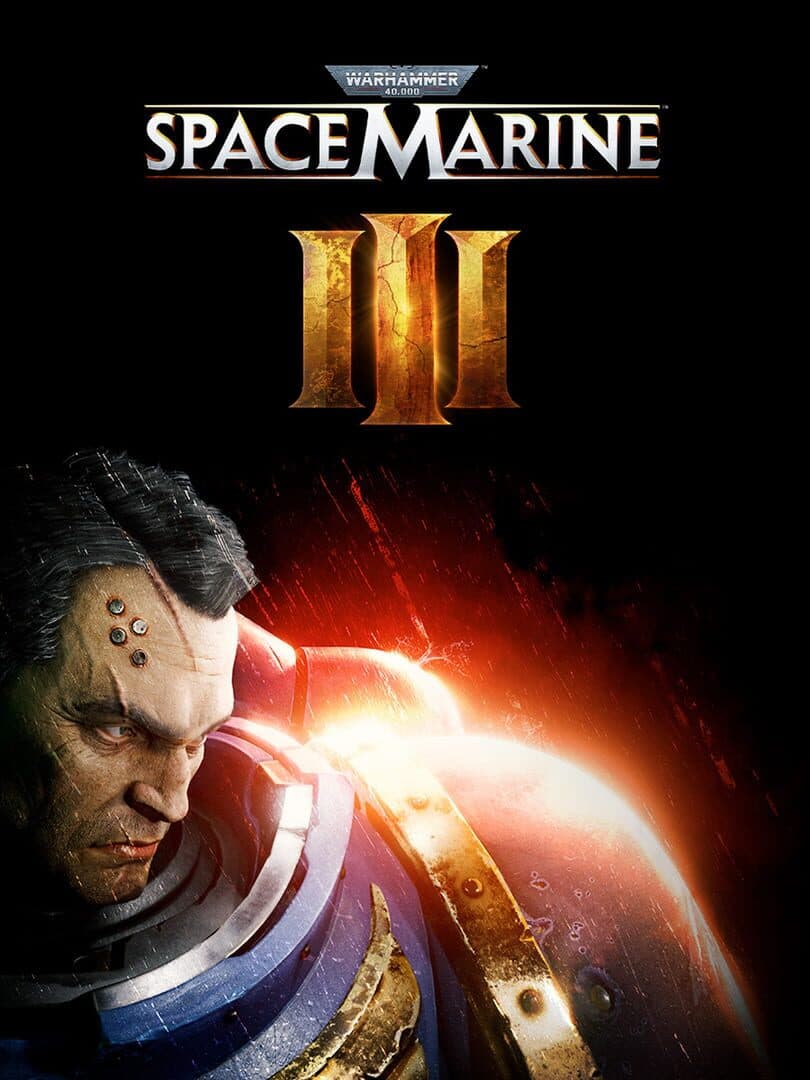
Warhammer 40K: Space Marine 3, Boltgun 2, Dawn of War — 2026-2028 Roadmap
The Warhammer 40,000 license is poised to dominate gaming across three consecutive years. Space Marine 3, Boltgun 2, and a new Dawn of War are among the confirmed or announced projects through 2028. It's no accident: Games Workshop has transformed its licensing strategy into a content machine, and the output now exceeds any player's attention span—even the most committed ones.

Dawn of War IV: Necrons Enter the Arena, and Everything Changes
Relic Entertainment just unveiled a trailer dedicated to the Necrons in Warhammer 40,000: Dawn of War IV. The mechanical faction returns to Kronus with its own gameplay mechanics and detailed unit architecture. This isn't a cosmetic showcase—it's a signal about the asymmetrical depth the studio intends to deliver. What Relic chooses to highlight first says a lot about its ambitions for the game.

Age of Empires II DE: The Viking Sagas Brings Harald Hardrada to War
Age of Empires II: Definitive Edition heads north with The Viking Sagas, a new expansion centered on Harald Hardrada, Viking king and one of the 11th century's most turbulent historical figures. Three campaigns, three brand-new civilizations: after the South American arc, Microsoft Studios and World's Edge shift direction entirely. What this reveals about the Definitive Edition's support cadence is worth examining.

Age of Empires III: The Baltic Powers Returns September 10
Announced, buried, resurrected: The Baltic Powers, the cursed expansion for Age of Empires III: Definitive Edition, finally launches September 10, 2026 on PC. World's Edge and Xbox Game Studios confirm the date and open beta testing now. A comeback that raises as many questions as it answers: what's this DLC really worth after being left for dead, and what does its chaotic journey tell us about the franchise's support situation?
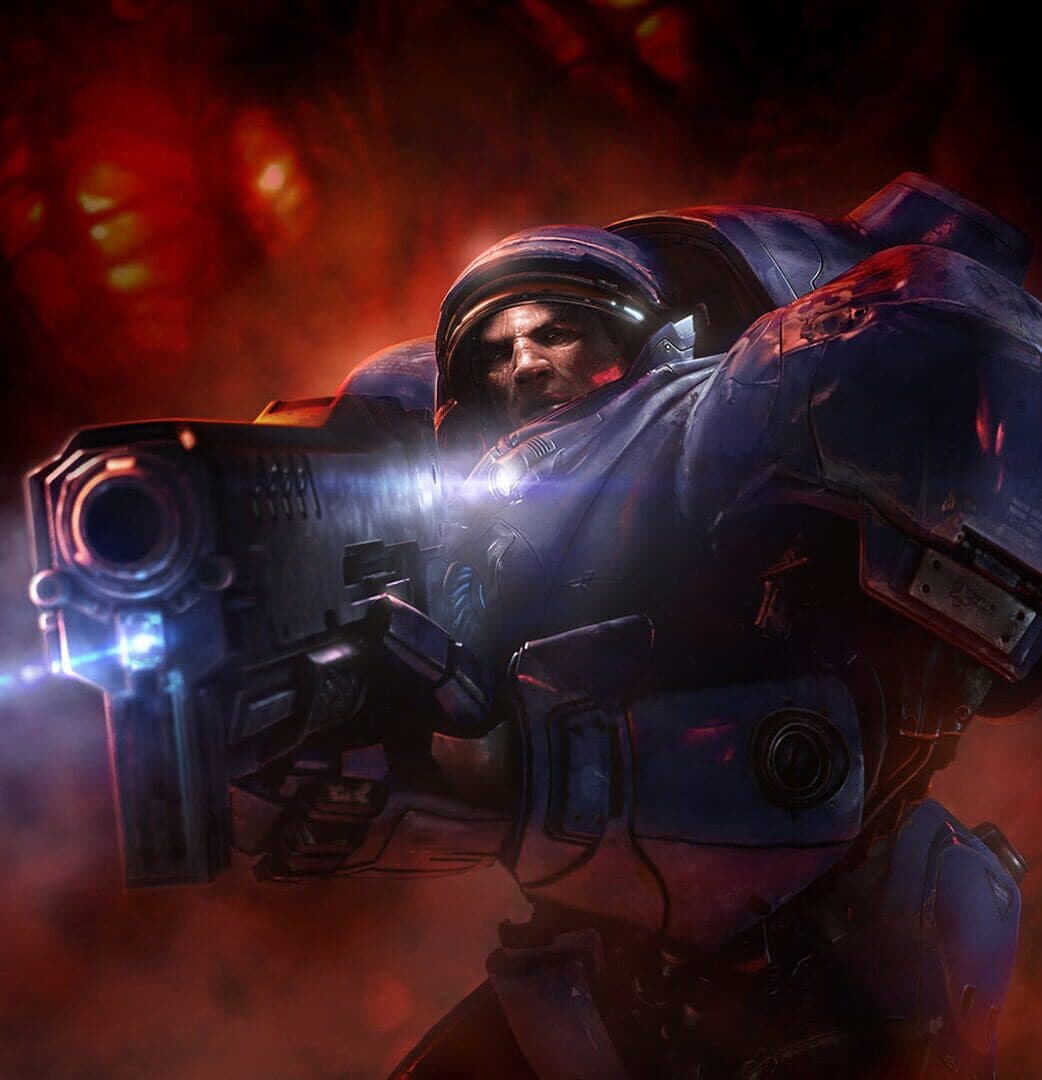
StarCraft II at 16: The RTS Throne Remains Uncontested
On July 27, 2010, Blizzard launched StarCraft II: Wings of Liberty after a twelve-year absence from the franchise. Sixteen years later, no competitor has managed to dethrone it from the competitive RTS crown. It's not a question of nostalgia or lack of ambition from rival studios—it's a structural problem the industry still hasn't solved.
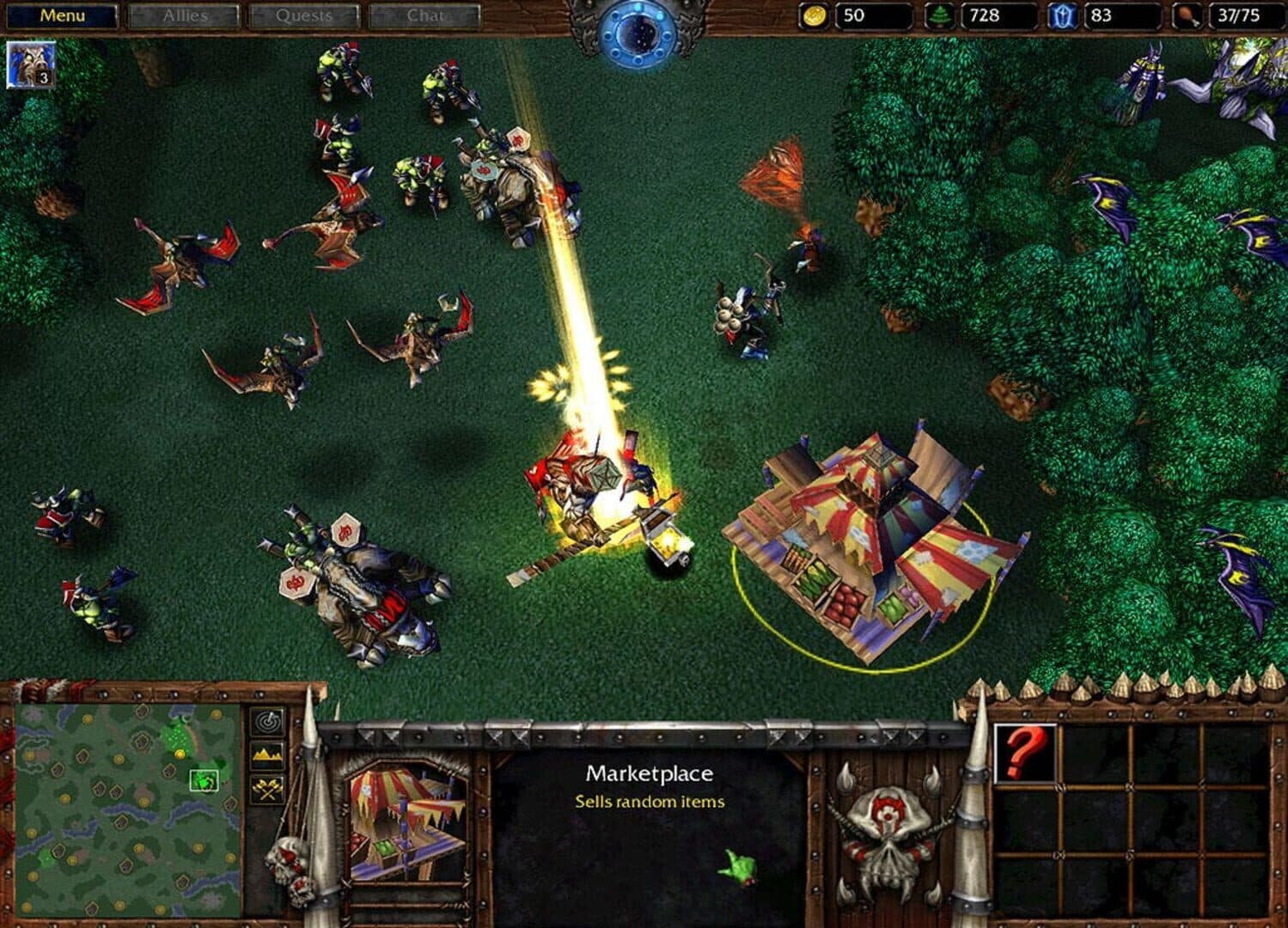
Warcraft III at 24: The RTS That Reinvented Its Genre by Accident
On July 3, 2002, Blizzard released Warcraft III: Reign of Chaos on PC. Twenty-four years later, this title remains a textbook case: by imposing individual hero management within a massive RTS framework, it fractured an entire genre and planted the seeds of the MOBA without intending to. With the RTS spinning its wheels today, revisiting this rupture isn't nostalgia—it's understanding why the genre still struggles to reinvent itself.