Naruto Mobile Finally Launches Globally in 2027, 11 Years After China Debut
Released in 2016 in China where it remains massively popular, Naruto Mobile will finally become available internationally in 2027. This belated launch raises a straightforward question: can the game win over a Western audience already saturated with gacha anime titles, over a decade after its initial design?
Topic
News
Reading
3 min read
Updated
Wednesday, October 14, 2026
Key points
- 1Released in 2016 in China where it remains massively popular, Naruto Mobile will finally become available internationally in 2027.
- 2This belated launch raises a straightforward question: can the game win over a Western audience already saturated with gacha anime titles, over a decade after its initial design?
- 3Naruto Mobile, the Chinese mobile phenomenon that launched in 2016, will arrive internationally in 2027.
Lumnix angle
We isolate the useful facts first, then keep the analysis focused on what changes for players.
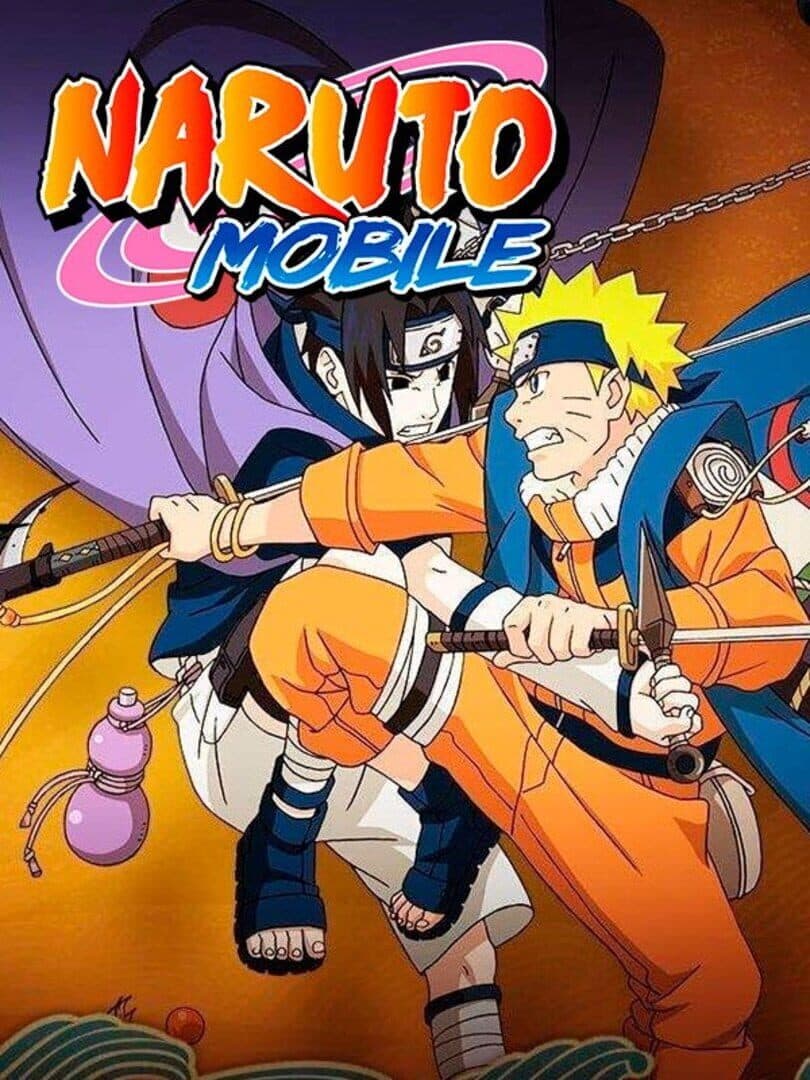
Naruto Mobile, the Chinese mobile phenomenon that launched in 2016, will arrive internationally in 2027. The announcement, reported by Gamekult, confirms what fans have been waiting to hear for years on community forums: the title will finally escape its home market, where it established itself through an obscure character roster, meticulously crafted animations, and absurd events like Sasuke playing basketball.
The problem isn't the game's quality, but the timing. Eleven years separate its Chinese release from its arrival in the West, and this gap transforms what could have been an opportunity into a risky bet for Bandai Namco, orchestrating this franchise revival.
A Game Built for 2016, Launching Into 2027
When Naruto Mobile launched in China, Western mobile gacha was still in its infancy. Eleven years later, the landscape has fundamentally shifted: Western players have seen dozens of anime-licensed games with production standards, monetization models, and live-service expectations far more demanding than before. Importing a game designed for 2016 expectations means presenting gameplay mechanics already superseded by its own successors.
Bandai Namco knows the Naruto mobile space better than most, though. The studio launched Naruto x Boruto Ninja Voltage in 2017, a real-time strategy game that survived six years before shutting down in 2023 due to insufficient community support. Meanwhile, Dragon Ball Z Dokkan Battle, released in 2015 by the same publisher, continues thriving with a loyal playerbase. The difference isn't purely about the license: it's about the game's ability to evolve without alienating its core audience. Naruto Mobile enters the picture with a mixed track record and no guarantee that its Chinese success translates elsewhere.
Chinese Folklore as Marketing Gimmick, Not Strategy
What built Naruto Mobile's reputation in China is its outlandish events: secondary characters thrust into absurd situations, improbable crossovers, an art direction that leans on exaggeration rather than manga fidelity. This works in a market where audiences know every Naruto arc by heart and welcome parody warmly. Transposed internationally, where some players still discover the franchise through anime rather than the complete manga, this approach risks confusing more than it attracts. A basketball-playing Sasuke amuses when you already know the character intimately; it feels hollow when you're primarily seeking to experience the original universe.
The choice to use the word "relaunch" in communications around this Western release speaks volumes about the actual intent: this isn't a new Naruto game, but rather reactivating a license whose recent exploitation has heavily relied on titles already released or shut down. In this context, Naruto Mobile functions less as innovation and more as a cost-effective way to keep the franchise in the news cycle between more ambitious projects. The game doesn't need to be developed from scratch—it already exists and generates revenue elsewhere. Localizing it creates the appearance of news.
This logic isn't inherently flawed, but it sets realistic expectations. Western players won't get a game built for them; they'll inherit a product refined on another market, complete with its strengths and dated design decisions. This 2027 launch's success will depend less on initial fan curiosity than on Bandai Namco's ability to update the game's economy without betraying the Chinese identity that made it successful. At this stage, nothing guarantees that balance is achievable.
In brief
Released in 2016 in China where it remains massively popular, Naruto Mobile will finally become available internationally in 2027. This belated launch raises a straightforward question: can the game win over a Western audience already saturated with gacha anime titles, over a decade after its initial design?