Brave Fencer Musashi: The PS1 Masterpiece Square Left Behind
Brave Fencer Musashi never left Japan and North America. While Chrono Cross, Parasite Eve, and Final Fantasy Tactics belatedly earned redemption through ports and remasters, this 1998 action-RPG remains invisible on modern platforms. An oversight that reveals as much about Square Enix's priorities as it does about the game's actual value.
Topic
News
Reading
3 min read
Updated
Thursday, July 16, 2026
Key points
- 1Brave Fencer Musashi never left Japan and North America.
- 2While Chrono Cross, Parasite Eve, and Final Fantasy Tactics belatedly earned redemption through ports and remasters, this 1998 action-RPG remains invisible on modern platforms.
- 3An oversight that reveals as much about Square Enix's priorities as it does about the game's actual value.
Lumnix angle
We isolate the useful facts first, then keep the analysis focused on what changes for players.
Brave Fencer Musashi launched in 1998 on PlayStation in Japan and North America. Never in Europe, never as a remaster, never as any legitimate digital port. In 2026, it stands as one of the few major titles from Square's golden age to never receive an official second chance.
Square's PS1 Era: A Generation of Masterpieces, Chaotic Distribution Logic
The original PlayStation was Square's absolute playground. Between 1996 and 2000, the studio churned out projects with a creative density rarely matched: Final Fantasy Tactics (1997) established the blueprint for modern tactical-RPG, Parasite Eve (1998) fused survival-horror and RPG with brutal efficiency, Chrono Cross (1999) experimented with fragmented narrative when nobody else dared. Xenogears (1998) pushed story ambition even further, eventually collapsing under its own weight.
These titles shared a common trait: they took years to reach European audiences—sometimes a decade, sometimes through workarounds, sometimes via recent remasters like the Xenogears PC port or the Final Fantasy Tactics Advance PS4/Switch release. Rehabilitation came slowly, but it came. Brave Fencer Musashi never entered that equation. The game was never treated as a gap that needed filling.
Why This Specific Game Fell Through the Cracks
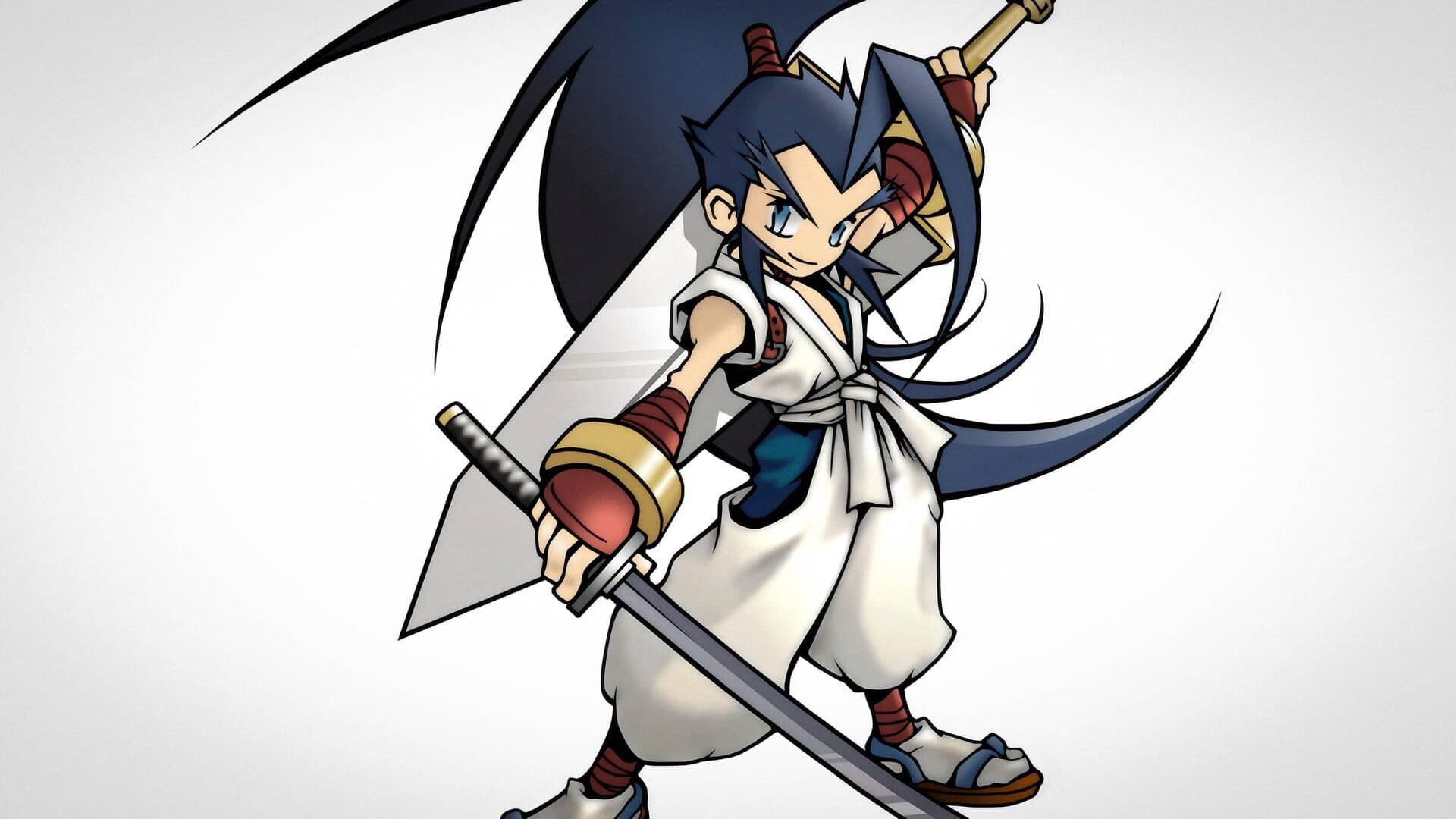
Brave Fencer Musashi is a real-time action-RPG, fundamentally different from Square's other period output, which stuck almost exclusively to turn-based combat. Players control Musashi, a warrior capable of absorbing enemy abilities through his secondary blade—a mechanic that echoes Kirby and the absorption systems later seen in Mega Man Zero (2002, Inti Creates) or Darksiders III (2018, Gunfire Games).
The game embraces an intentionally light, almost parodic tone, running counter to the gravitas Final Fantasy VII established a year earlier. This tonal clash likely muddied its commercial appeal at launch. It probably still complicates any decision to revive it: who's the target audience? North American nostalgics? Players who never got access in the first place?
Square Enix has never publicly addressed the absence of a remaster. The title isn't on PlayStation Now, not on Switch, not on PC. It circulates only through import physical copies at steadily climbing prices.
Remasters as Commercial Strategy, Not Preservation
Square's PS1 classic rehabilitation follows clear market logic: remaster what has measurable fanbase demand or what serves an active franchise. Final Fantasy Tactics got a mobile version, then sustained attention from petitions spanning years. Chrono Cross received its 2022 remaster riding post-Chrono Trigger nostalgia. Parasite Eve lingers in limbo despite genuine interest, stalled by complex music rights.
Brave Fencer Musashi checks none of these boxes. It has no sequel keeping it alive in conversation—its direct follow-up, Musashi: Samurai Legend (2005), was a commercial semi-failure. It lacks an attached franchise to monetize. It exists alone, without the ecosystem justifying editorial investment.
This is exactly the kind of title that disappears from catalogs without anyone making an explicit call. Not banned, not deliberately forgotten—just never prioritized. The remaster industry structurally struggles with standalone releases: finished games without sequels, without organized community, without obvious marketing leverage. Brave Fencer Musashi is the textbook case. Twenty-eight years after its Japanese debut, it remains technically accessible only to those with the hardware or willing to emulate.
Square Enix proved with the Pixel Remaster Final Fantasy project that it could work competently through its PS1 catalog. The selection reveals strategy, not capability. Brave Fencer Musashi isn't technically out of reach—it's commercially out of reach by current studio standards. Until that equation shifts, the game stays an insider curiosity, accessible through import or emulation but absent from any mainstream conversation.
In brief
Brave Fencer Musashi never left Japan and North America. While Chrono Cross, Parasite Eve, and Final Fantasy Tactics belatedly earned redemption through ports and remasters, this 1998 action-RPG remains invisible on modern platforms. An oversight that reveals as much about Square Enix's priorities as it does about the game's actual value.