#Anniversary
24 article(s)

SOMA at 11: Frictional Games and a Question That Still Haunts
Eleven years after its release, SOMA remains one of gaming's most unsettling works—not because of its creatures, but because of what it forces players to confront about consciousness and identity. Frictional Games had already upended survival-horror with Amnesia: The Dark Descent in 2010. With SOMA, the Swedish studio went further: less mechanical tension, more philosophical dread. An anniversary worth taking a stance on.

Persona at 30: The Failed Spin-off That Changed Everything for Atlus
Thirty years after its release, the first Persona remains an oddity in Japanese RPG history: a Shin Megami Tensei spin-off too dark, too rough around the edges, yet it laid the groundwork for one of the genre's most influential franchises. Understanding what went wrong with this game is understanding why everything that followed worked. An legacy that deserves more than automatic nostalgia.

Call of Juarez at 20: Techland Before the Zombies
Two decades after its French release, the original Call of Juarez proves Techland wasn't always hunting the undead. This Polish western FPS from 2006 arrived to relative indifference before Dying Light catapulted the studio to the top, but it deserves a second look. Not for nostalgia's sake, but because its trajectory reveals something vital about how a studio reinvents itself—and what it leaves behind.
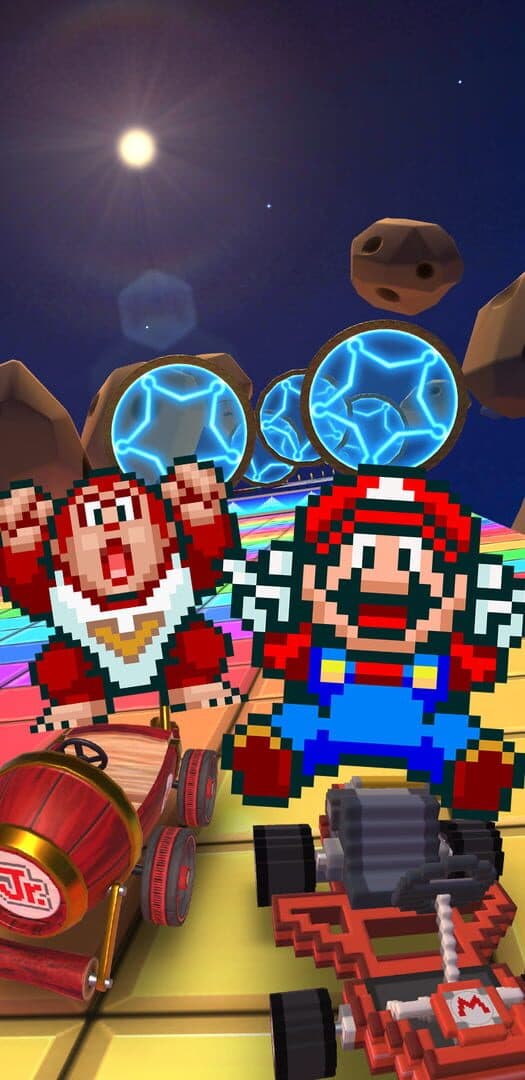
Super Mario Kart at 34: What the SNES Actually Invented
On September 1, 1992, Super Mario Kart launched in North America on Super Nintendo. Thirty-four years later, the question isn't whether the game has aged, but what it actually created: an entire genre, a social ritual, and a formula Nintendo still exploits today—to the point of erasing its original radicalism. What the first entry carried, its successors haven't all preserved.

Mega Man: Dual Override Marks Blue Bomber's 40th Anniversary in 2027
Capcom used Gamescom 2026 to unveil its vision for Mega Man: Dual Override, arriving in 2027. Director Shinya Ikuta and producers Shingo Izumi and Hiroyuki Minamitani fielded press questions at the Cologne show. What they revealed paints a project designed first and foremost as a franchise milestone — marking 40 years of Mega Man — rather than just another installment. That distinction is far from cosmetic.
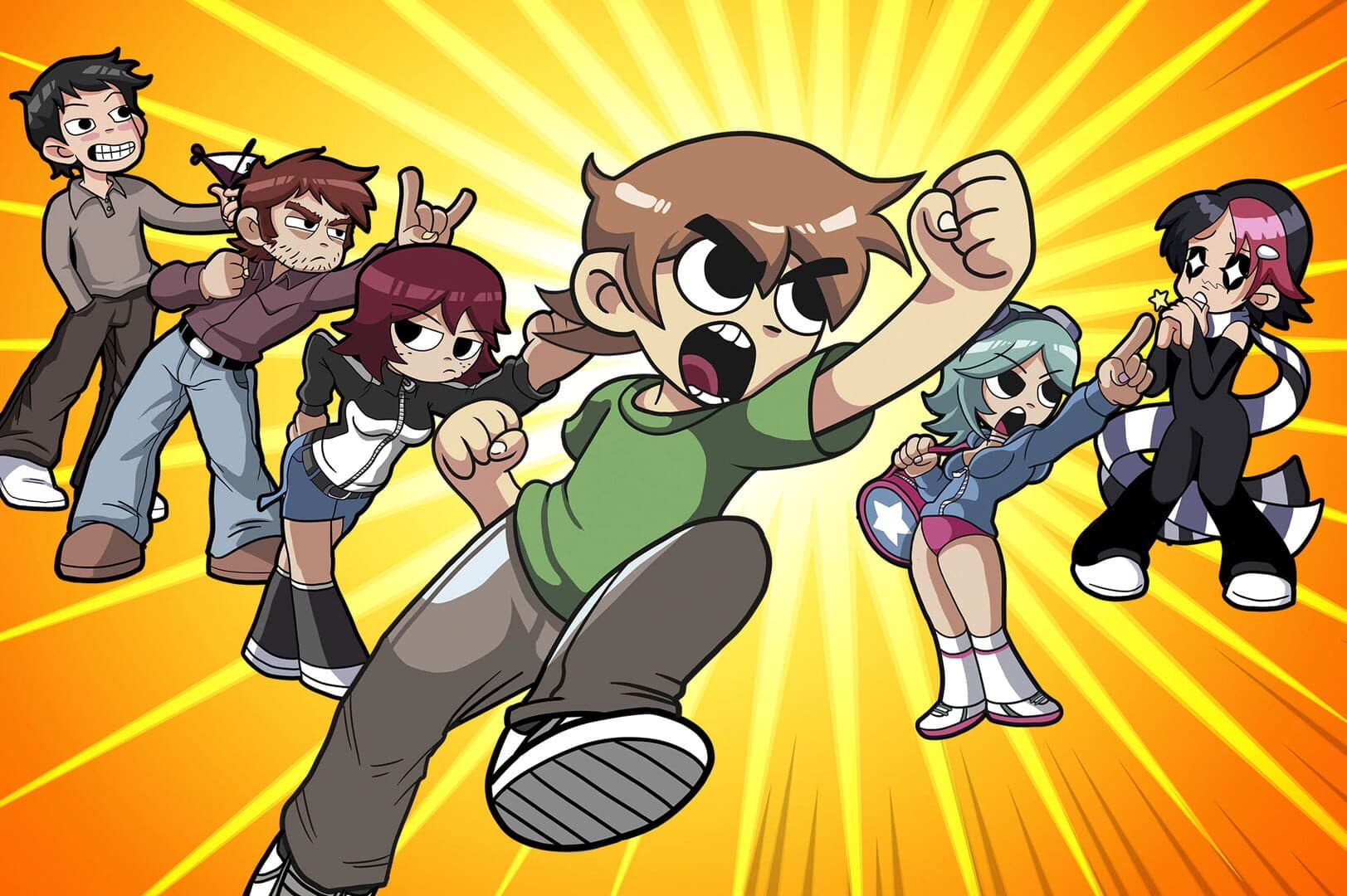
Scott Pilgrim Turns 16: The Ubisoft Anomaly That Endures
On August 10, 2010, Ubisoft released a beat'em up adapted from a film based on a 2004 comic saturated with retro references. All the ingredients were there for a soulless commercial disaster. Sixteen years later, Scott Pilgrim vs. The World: The Game has outlasted most AAA releases from that same era. This paradox deserves examination: how did a third-degree derivative become one of the most respected releases of its generation?

Dead Rising Turns 20: The Game That Defined an Xbox Era
On August 8, 2006, Dead Rising launched in North America on Xbox 360. Two decades later, Capcom's game hasn't aged ideologically—it crystallizes what one console, one studio, and an entire era of action gaming aspired to be. This isn't nostalgia; it's an editorial fact: few games from that generation still own what they are so unapologetically.

Dead Cells at 8: The Strange Legacy of a Bordeaux Cooperative
On August 7, 2018, Motion Twin released Dead Cells in version 1.0 after a remarkable early access period. Eight years later, the Bordeaux roguelite remains a genre reference, cited alongside Hades and Risk of Rain 2 as a foundational pillar of a decade. But behind the finely-tuned game loop lies a question that has never truly been answered: how did a radically horizontal structure, without a project manager, produce one of the genre's most mechanically oppressive systems?
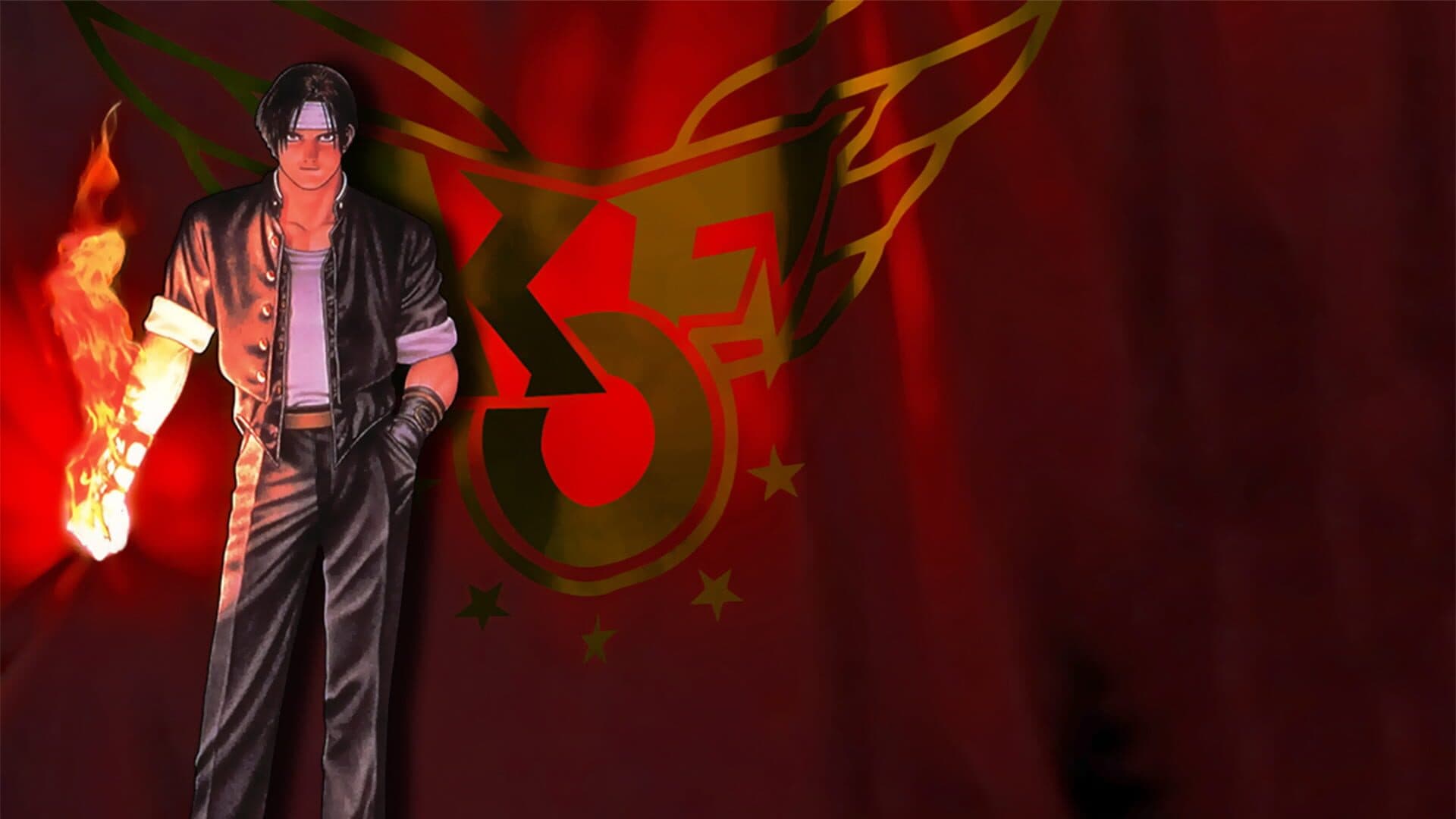
KOF '96 at 30: The Game That Reinvented 2D Fighting
Thirty years after its Neo-Geo debut, The King of Fighters '96 remains the understated linchpin of an entire generation of fighting games. Not the most celebrated, but arguably the most decisive: this episode broke from the rigid team structures inherited from Capcom's franchises, introduced a radical offensive gameplay system, and laid the groundwork for total crossover integration in 2D fighting. An anniversary worth examining beyond nostalgia.
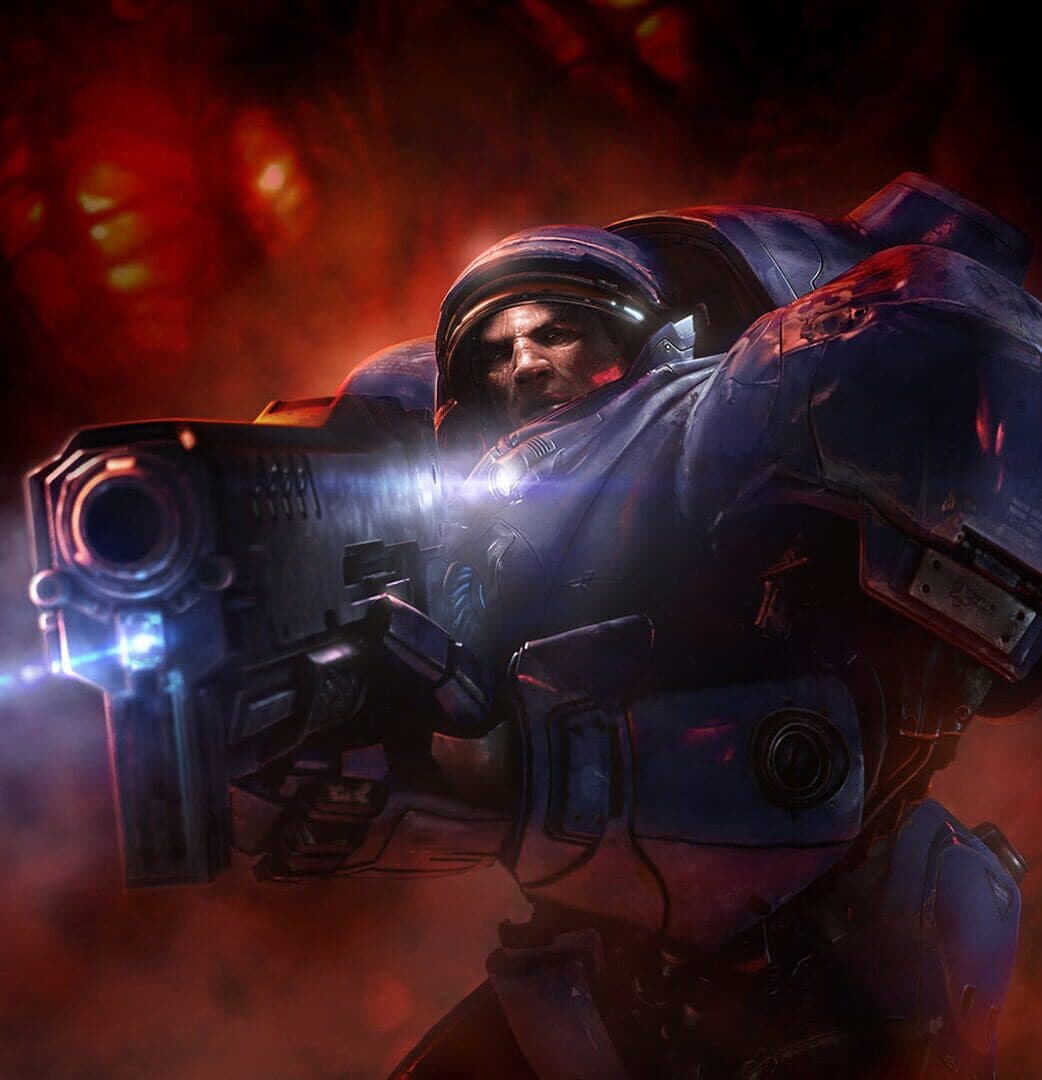
StarCraft II at 16: The RTS Throne Remains Uncontested
On July 27, 2010, Blizzard launched StarCraft II: Wings of Liberty after a twelve-year absence from the franchise. Sixteen years later, no competitor has managed to dethrone it from the competitive RTS crown. It's not a question of nostalgia or lack of ambition from rival studios—it's a structural problem the industry still hasn't solved.

Sonic the Hedgehog at 35: How One Hedgehog Changed Everything
On July 26, 1991, Sonic the Hedgehog launched on Mega Drive and redefined what a platformer could be. Thirty-five years later, Sega's hedgehog remains a reference that transcends its original context. Not because of nostalgia, but because it established design principles the industry still grapples with, imitates, or challenges.
Pokémon GO at 10: The Game That Redefined Mobile Gaming
On July 22, 2016, Pokémon GO launched in Japan, completing a lightning-fast worldwide rollout that had already upended the West two weeks earlier. A decade later, Niantic's game remains a statistical anomaly in video game history: born from a 2014 Google Maps April Fool's joke, it has generated over one billion downloads and forced the entire industry to reconsider what "playing outdoors" could mean.