#Capcom
22 article(s)

Dragon's Dogma 2 Dark Arisen Addresses Base Game's Criticized Ease
Capcom launches Dark Arisen, the Dragon's Dogma 2 expansion that sends Arisen to the frozen lands of Norgan. After a base game criticized by some for being too forgiving, this DLC ramps up difficulty to reignite interest among hardcore players. Whether this punishing shift solves the problem or simply relocates it remains to be seen.

Onimusha 2 Resurges: Way of the Sword's Success Reignites the Debate
Onimusha: Way of the Sword crosses one million sales and revitalizes the franchise at Capcom. But this commercial success mainly resurrects an older argument: twenty-four years after its release, Onimusha 2: Samurai's Destiny remains the gold standard for many fans, remaster included. A paradox that raises real questions about the franchise's future direction.

Mega Man 11 at 8 Years: The Comeback Capcom Never Followed Up
Released eight years ago to the day, Mega Man 11 ended nearly a decade of silence around the Blue Bomber. The game proved Capcom could still deliver without betraying the formula, yet the studio has never touched another numbered entry since. A textbook case of opportunistic franchise management.
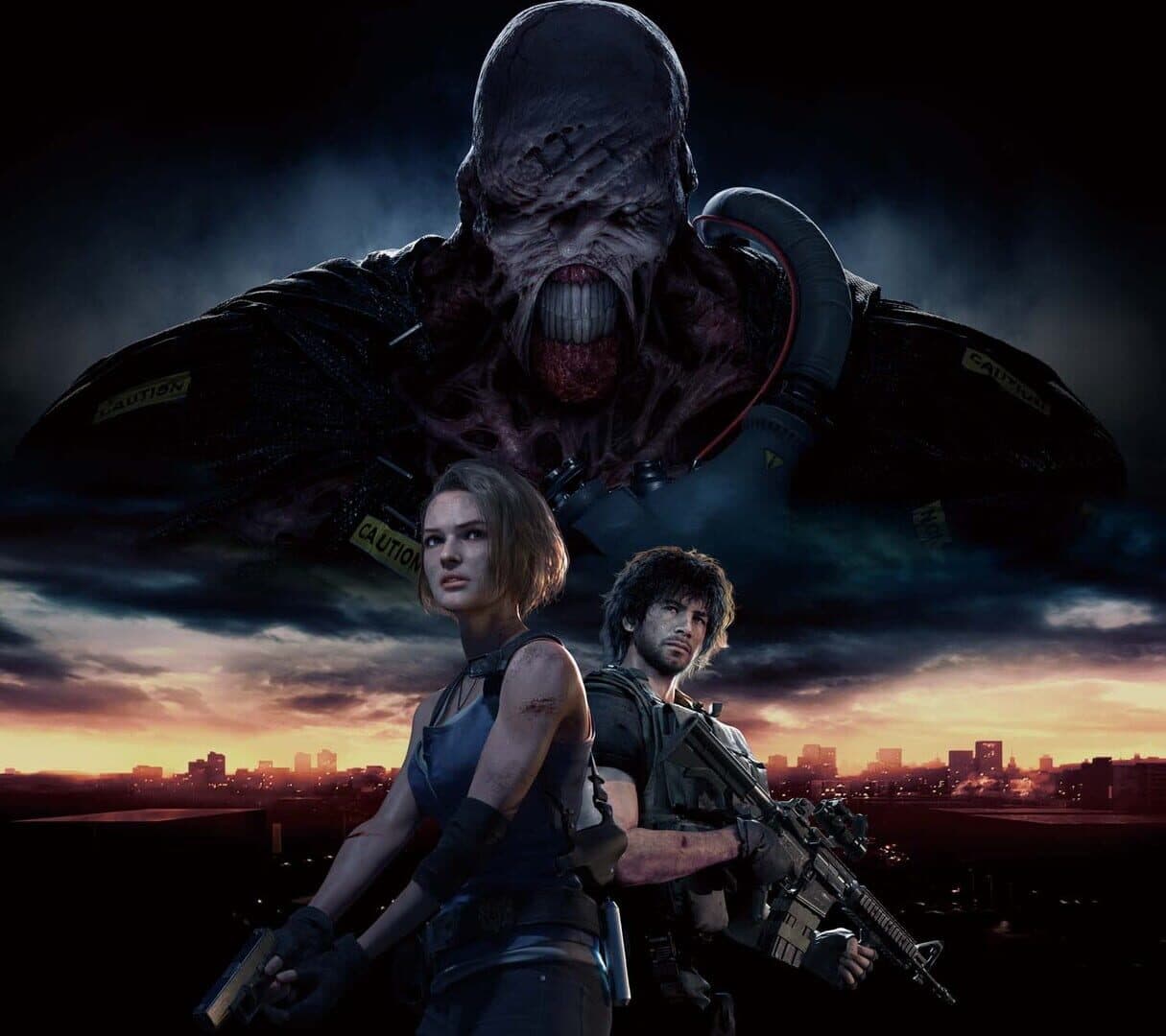
RE3 Nemesis Wasn't Survival Horror: Mikami Understood This First
Resident Evil 4's paradigm shift in 2005 became gaming history's founding myth. Except Shinji Mikami had already transformed the franchise six years earlier. Resident Evil 3: Nemesis, released in 1999, isn't a failed survival horror game—it's an action game disguised as survival horror, and this distinction reframes two decades of Capcom history.

Monster Hunter Wilds Ascendance: Does Difficulty Finally Deliver?
Monster Hunter Wilds fractured its community over one specific issue: difficulty curve deemed too forgiving. The Ascendance expansion arrives with a promise to course-correct. But do the announced adjustments convince veterans who've checked out for months, or is it cosmetic patching over a structural flaw? The question deserves honest examination.

Breath of Fire III: The Capcom JRPG Born From Chaos
Breath of Fire III is 28 years old, but its development history remains a textbook case study: Capcom switches platforms mid-production, improvises much of the design, and ships a JRPG that was meant to be the final act of a trilogy. The result is solid but played too safely to leave a lasting impression. What this story reveals about how JRPGs were made in the PlayStation era deserves closer examination.

Capcom vs. SNK at 26: When Dreamcast United Fighting Game Gods
In 2000, Capcom delivered to the Dreamcast one of the most ambitious crossovers in versus fighting history: Capcom vs. SNK. Twenty-six years later, this title remains a generational marker, symbol of an era when the Naomi arcade and Sega's console formed a nearly perfect bridge between the arcade and the living room. Revisiting it means understanding why that window of the year 2000 has never truly been reopened.

Onimusha Way of the Sword: Decoding the Oni Weapon System
Onimusha: Way of the Sword extends far beyond Musashi's katana. The Oni weapons form a complete system unto themselves, distinct from conventional combat, which determines the tactical depth of the title. Capcom revisits a foundational mechanic of the franchise, but enriches it visibly to make it a cornerstone of the gameplay. What this weapons catalog conceals says much about the game's ambitions.

Mega Man: Dual Override Marks Blue Bomber's 40th Anniversary in 2027
Capcom used Gamescom 2026 to unveil its vision for Mega Man: Dual Override, arriving in 2027. Director Shinya Ikuta and producers Shingo Izumi and Hiroyuki Minamitani fielded press questions at the Cologne show. What they revealed paints a project designed first and foremost as a franchise milestone — marking 40 years of Mega Man — rather than just another installment. That distinction is far from cosmetic.
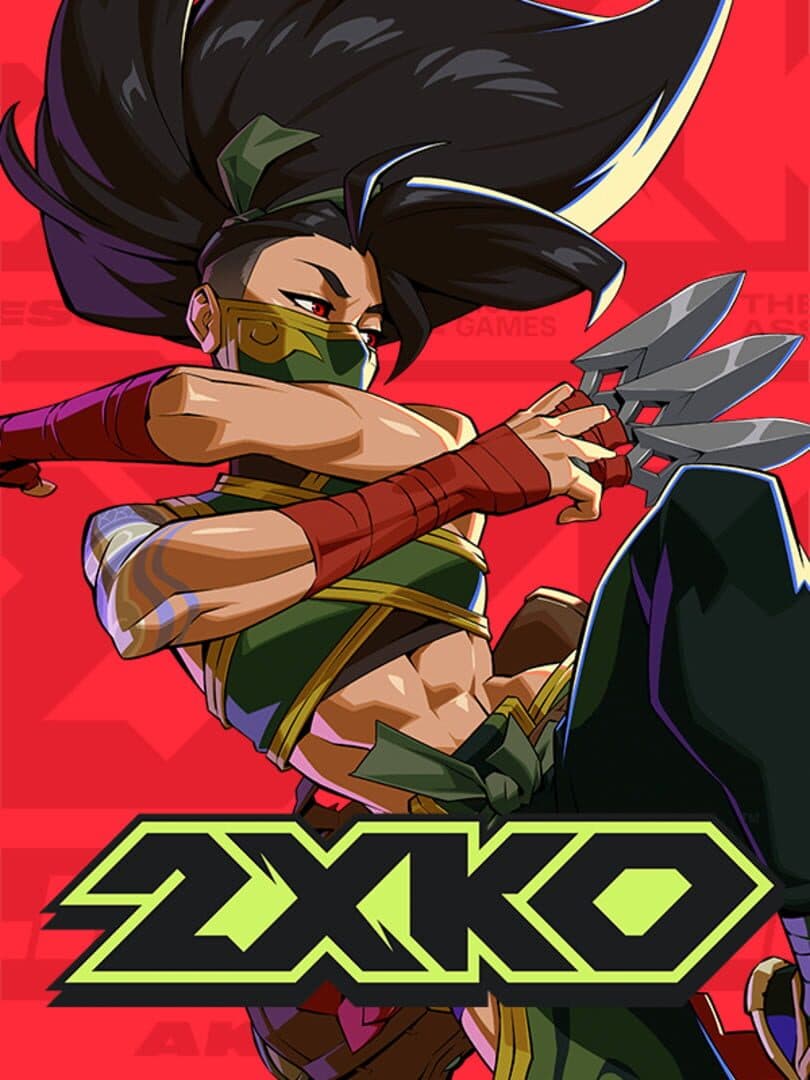
2XKO Canceled: Riot Games Exposes Fighting Game Industry Crisis
Riot Games halted 2XKO development in December 2026, citing economic nonviability. This isn't just another free-to-play fighter collapsing—it's a symptom of an entire genre under pressure, unable to balance competitive ambition with sustainable business models. Only Capcom seems to have cracked the code everyone's been searching for.

Breath of Fire: The Capcom-Square Deal That Reshaped the JRPG
In 1994, Capcom signed a commercial agreement with Square to distribute Breath of Fire on Super Nintendo in North America. An alliance between two direct rivals, at a time when Final Fantasy VI dominated the Western JRPG landscape. This quiet pact reveals much about the power dynamics of the era and how a franchise could emerge in the shadow of a juggernaut — and still survive.

Dead Rising Turns 20: The Game That Defined an Xbox Era
On August 8, 2006, Dead Rising launched in North America on Xbox 360. Two decades later, Capcom's game hasn't aged ideologically—it crystallizes what one console, one studio, and an entire era of action gaming aspired to be. This isn't nostalgia; it's an editorial fact: few games from that generation still own what they are so unapologetically.