#game design
16 article(s)
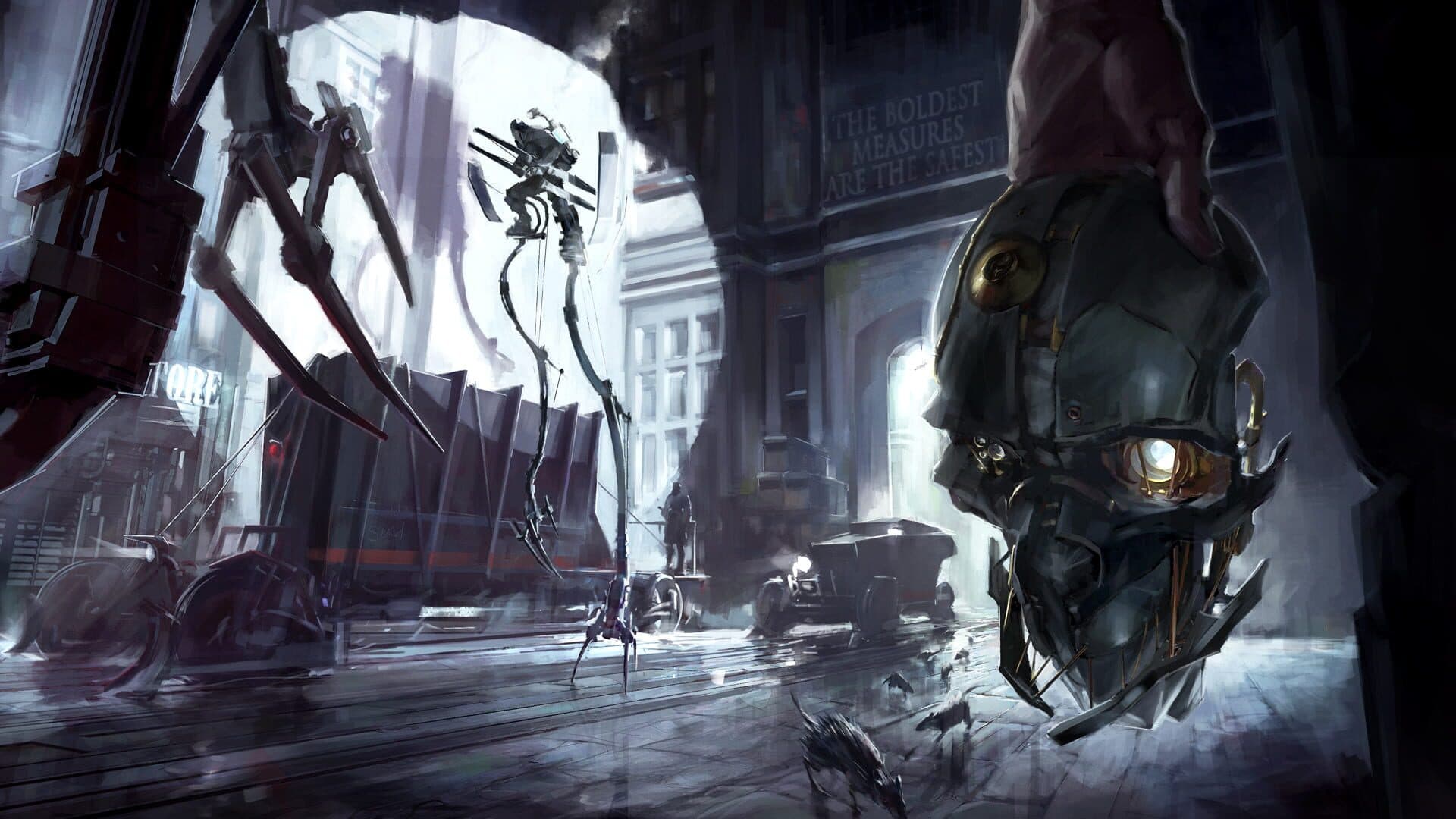
Immersive Sims: Understanding the Genre No One Can Define
An immersive sim lets players solve situations through consistent systems rather than a sequence of prescribed solutions. A first-person camera, science fiction, or stealth alone cannot define the approach. From Ultima Underworld to Prey, this guide examines its principles, limits, and lineage, then suggests starting points for fans of action, exploration, and role-playing choices.
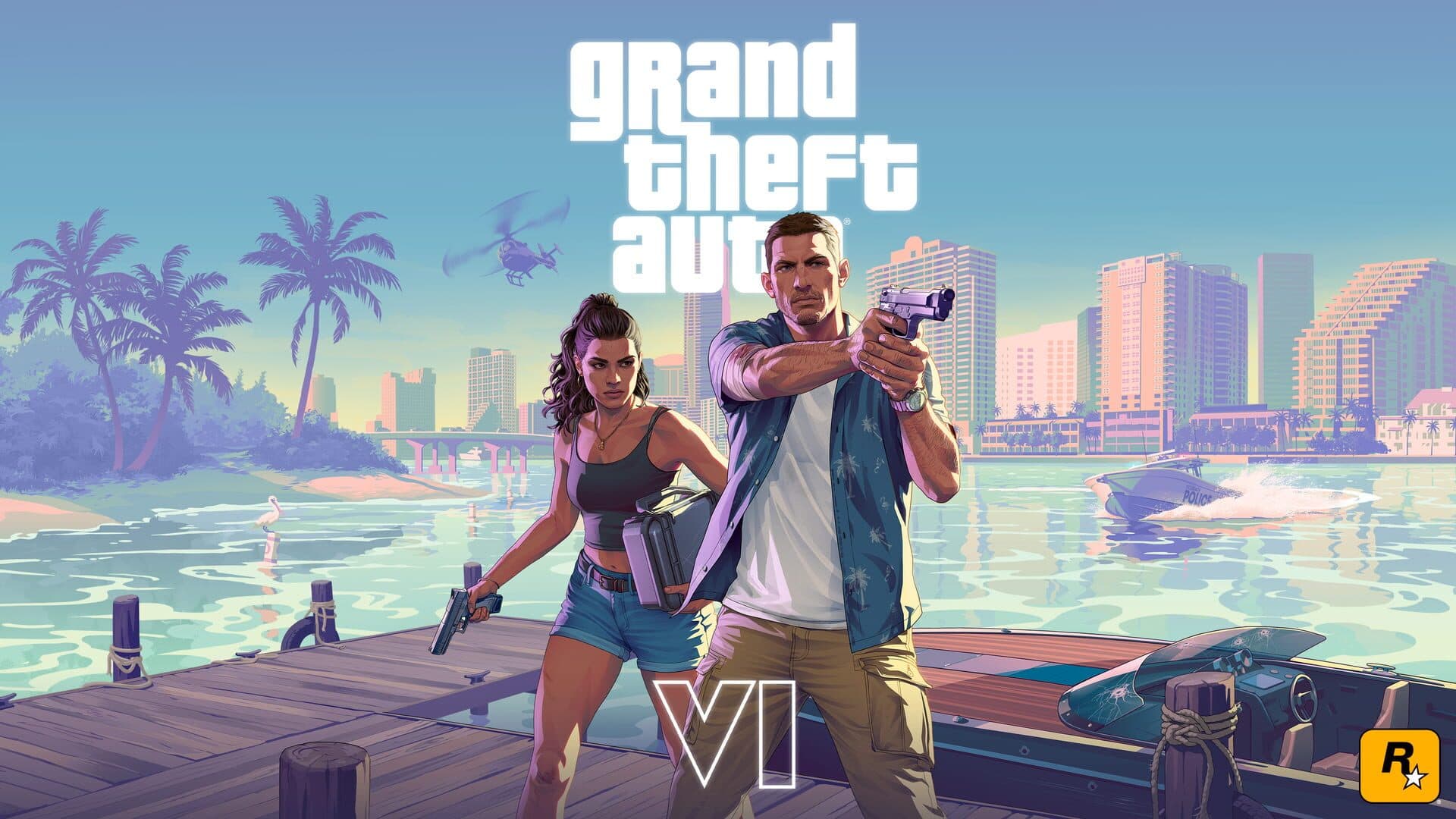
GTA VI: Rockstar Slows Down Instead of Racing to the Finish
As November 19, 2026 approaches, Rockstar Games is making a bold move: deliberately pacing progression instead of letting players sprint through. Grand Theft Auto VI is designed to prevent a headlong dash to the credits, a gamble that raises questions about both player comfort and the studio's own resolve.
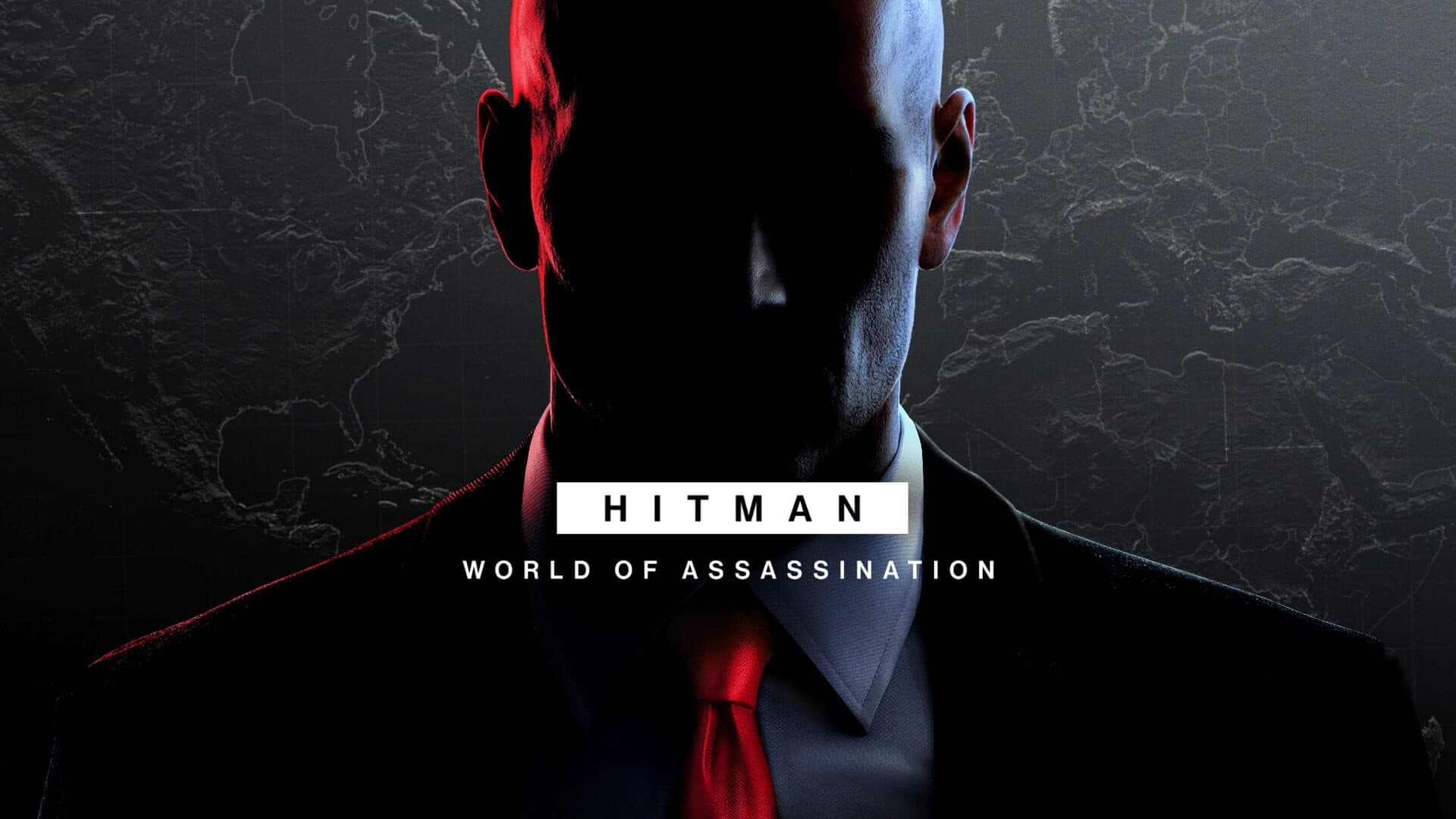
The Evolution of Stealth Games: From Thief to Hitman
From Metal Gear's sound radar to Hitman's social simulation, stealth gaming has traded simple sneaking for reading entire systems. This dossier traces the milestones—Thief, Metal Gear Solid, Splinter Cell, Dishonored—that shaped modern infiltration and explains what remains today.

The Simpsons: Hit & Run, the GTA for Kids That Broke Spirits
Released in 2003 on PlayStation 2, Xbox, GameCube, and PC, The Simpsons: Hit & Run long carried the image of a harmless open-world, with parental approval virtually guaranteed. Twenty-three years later, Radical Entertainment's title reveals another side: a game that's technically accessible on the surface, but architected around a difficulty that traumatized an entire generation. This paradox says something important about how we make—and how we mythologize—games meant for everyone.
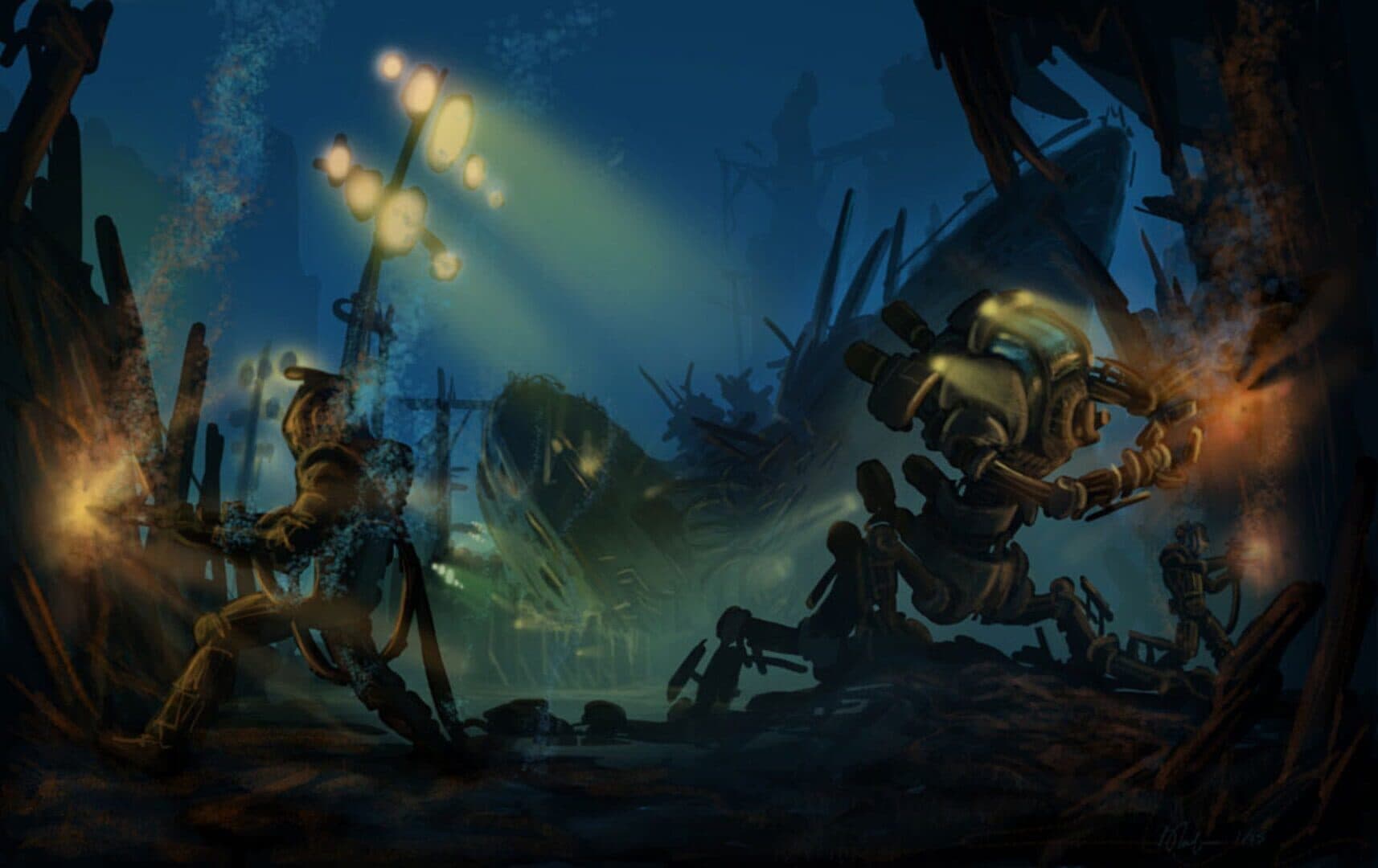
Uncharted 1 Punished You for Playing Too Well
Benson Russell, former game designer at Naughty Dog on the first three Uncharted games and The Last of Us, revealed on the FRVR podcast an inglorious mechanic in Nathan Drake's debut: dynamic difficulty designed not to balance the experience, but to artificially slow down the fastest players to compensate for insufficient content. A rare admission about the inner workings of a studio otherwise renowned for its mastery of narrative pacing.

The Witcher 3: When NPC Fear Was Too Realistic to Work
CD Projekt Red designed a fear reaction system for The Witcher 3: Wild Hunt NPCs—a mechanic meant to make Geralt as intimidating in villages as he is on monster contracts. The feature was cut before the game's 2015 release, and the reason for abandoning it reveals as much about game design limitations as it does about the Polish studio's initial ambition.

The Blood of Dawnwalker Borrows Its Combat from Guitar Hero
The combat system of The Blood of Dawnwalker, the Rebel Wolves RPG expected in early September, draws direct inspiration from Guitar Hero according to the game's director. A rhythm mechanic applied to action: the idea is surprising, potentially decisive. For a studio founded by former CD Projekt Red veterans that claims the legacy of The Witcher 3, this design choice reveals a clear ambition: not simply to reproduce a formula, but to reinvent it.

Bionic Commando 2009: 17 Years Later, The Grappling Hook Still Works
Seventeen years after its US PC release, the 2009 Bionic Commando deserves a second look. Not out of nostalgia, but because this reboot captures a precise moment in action game design—when vertical mobility was still radical, not standard. A game the market failed to sell that time has quietly vindicated.

Limbo at 16: The Economic Lesson the Industry Never Learned
Sixteen years after its debut on Xbox Live Arcade, Limbo remains a comfortable anomaly in video game history: a title designed by a handful of people, with virtually no budget, no explicit narrative, that imposed its visual grammar on an entire generation of indie developers. The anniversary offers a chance to measure what this game truly changed — and to ask why its model remains so rarely imitated to completion.

Steambot Chronicles: Why This PS2 Game Remains a Masterclass in Design
Irem released Steambot Chronicles on PlayStation 2 in 2006, and the game never really found its audience at the time. Twenty years later, its hybrid formula—open world, relaxed steampunk aesthetic, tonal freedom—continues to circulate as a template nobody has truly replicated. This look back at a cult classic raises a concrete question: why could the AAA industry of 2006 take these kinds of risks, and why doesn't it anymore?
Hitman, Fallout, RDR2: Games That Are Hilarious Without Trying
An Agent 47 dressed as an inflatable flamingo, a ghoul philosophizing about human nature in Boston's ruins, Arthur Morgan tripping over a rock mid-heroic gallop. The most effective video game humor doesn't always come from games labeled "comedy." It emerges where you least expect it — in absurd level design, a throwaway line buried three menus deep, or physics so brutally honest they're hilarious.

God of War: The Leviathan Axe Recall Born From an Animator's Laziness
The recall of the Leviathan Axe — that iconic gesture that defines God of War with every swing — didn't come from a deliberate design decision, but from an animator too lazy to model a ground pickup animation. A creative accident that perfectly illustrates how a game's best mechanics can emerge from constraints, or sheer chance. We trace the origins of one of PS4's most satisfying moves.